The Joy of Interchangeable Parts

The Tractor Supply store FINALLY got my bottom plow in this week.  I took Marvin the trailer up to Greeley to pick it up (Marvin is a utility trailer I use to haul my telescope around and it has Marvin the Martian characters on the sides – it always fetches a few stares).

I had verified online that it would fit a category 1 hitch but when I saw the thing I was very worried that I had made a terrible mistake.  The blade is huge and I was thinking that my hitch wouldn’t be able to lift it high enough off of the ground to maneuver.  This tractor has a “limited” category 1 hitch.  I had to do some Googling to find out what that actually means.  Indeed, it means that it won’t lift as high off of the ground as a standard category 1 hitch, so I guess I had reason to be worried – That and I’ve never had one of these beasties before so it is all sorta new.

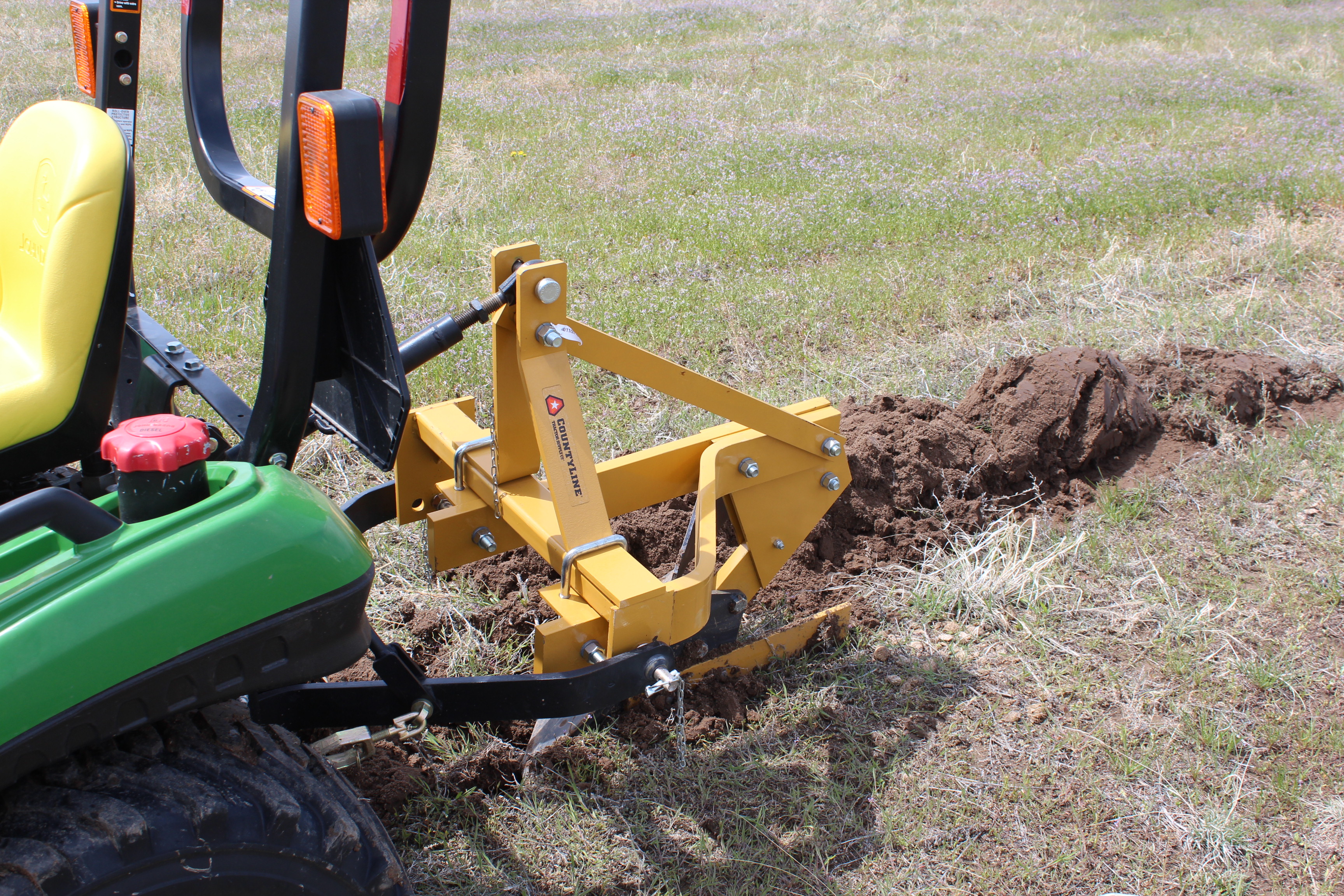
I heave-hoed the plow out of Marvin without it landing on my toes.  Then I stood there and stared…..”now what?”  How does one hook one of these things up?  It weighs 250 pounds, you don’t just (unless you are me) lift it up and put it into place.  So after figuring out how to disconnect the roto-tiller from the tractor I backed the thing up and thats exactly what I did.  Voila! It fit and it works!!  I also figured out how to hook it up so next time it doesn’t cost me more vertebrae (before all the women jump all over this – NO it didn’t come with instructions – and yes, I do ask for directions when I am lost.)

I took it out onto the muddy front acreage (its been raining for 3 days) lowered it in and it sliced through the dirt like it was melted butter!  What a great tool!  I am very curious to look up some of the evolution of the blade design.  It rolls the soil over in a similar shape as a wave cresting over that surfers ride.  I can’t, however, imagine being out in the scorching heat and humidity trying to control an ox or a mule whilst trying to keep this thing going in the right direction.  One has to stand in awe of how we have developed over the centuries and how some of our machines were invented.  I am no Luddite.  I think things like this are amazing.  I just wish we, as the alleged most intelligent creature on the planet, would learn a bit more moderation.  My plow is one blade.  The guy leasing the back 30 from me has the same type of blade shape but there are a dozen of them and it is over 10 feet wide!

We decided this week that even though we are hoping to have the farm up and producing in the spring of 2014 that we ought to be trying as much as possible to get the soil up to snuff and start raising some crops for future chicken feed and litter.   We decided to plant about a third of an acre of black bush beans, a 1/4 acre of sunflowers and another 1/4 acre of feed corn (non-GMO on all counts of course!)  It will all be dry farmed as I don’t have the irrigation equipment out to it yet.

This was another milestone  for us that created a contrast between our JAZ Urban Farm and the Homestead.  At the urban farm I used to just order the traditional seed packets one sees at the nursery.  This time, I ordered the bean and corn seed by the pound!  After we till up the garden area we will be using push along seeders to plant so that we don’t spend our lives on hands and knees placing one seed at at time.  Ours will be an “Earthway” seeder.  It has a hopper where you place the seed and several plates that go into it that let seed through of specific size and places them the prescribed distance from one another.  It digs the trench for the seed, deposits the seed and covers the seed with soil!  Genius!  Brilliant!

Legumes (beans) fix nitrogen in the soil through their roots.  When they have run their course and dried, we will harvest the beans and then turn them over into the soil.  Once tilled in then we are going to plant clover over the whole area to be tilled in in the spring.  These “green” manures should help build some tilth and get some nitrogen into the ground.

The sunflowers and corn will provide us with some chicken feed in addition to the store bought stuff.  The stalks can then all be run through our chipper to make litter.  That litter will eventually end up as compost, thus completing the nutrient cycle.  As we are also hoping to keep a few bee colonies, these will also give the bees something to feed from.  In addition, we are going to cover up some pretty harsh areas on the property with a multitude of water efficient Russian Sage plants.  Those things are bee magnets!

So even though there was snow at the Eisenhower Tunnel yesterday (11,000 ft) it appears that the Front Range of Colorado is finally done with snow for awhile!

HAPPY SPRING!!!

Here is the latest evolution:

IMG_2415 IMG_2413 IMG_2411

This Isn’t Our First Rodeo

The JAZ Farm homestead isn’t our first trip to the homesteading trough.  Coming from a family that was gardening before Urban Farming was even a term, and having roots in the world of Iowa cornfields  back when farms were still farms, not the mono-culture, CAFO, ethanol producing factories they are now, it was inevitable that this kind of life blossom.  One of my very best friends, who I hadn’t spoken with in a decade, mentioned when we got caught up, “you know this isn’t too much of a surprise, if I remember right your mother had something of an organic operation going in her backyard while we were growing up”.  I was surprised that he remembered that but yes its true.  Other than her teaching music lessons, one of my vivid memories of my mother was seeing her bent over in her garden.  Zina’s father was an Italian farmer in Sicily and he too has always had a garden in his backyard.  In fact, one of his first jobs in America was working for a grocer.

So with that background, and as I (Jon) learned more about Peak issues, the disastrous state of our food supply, and the deteriorating water conditions in Colorado because of climate change, we began the transformation to a more sustainable way of life.

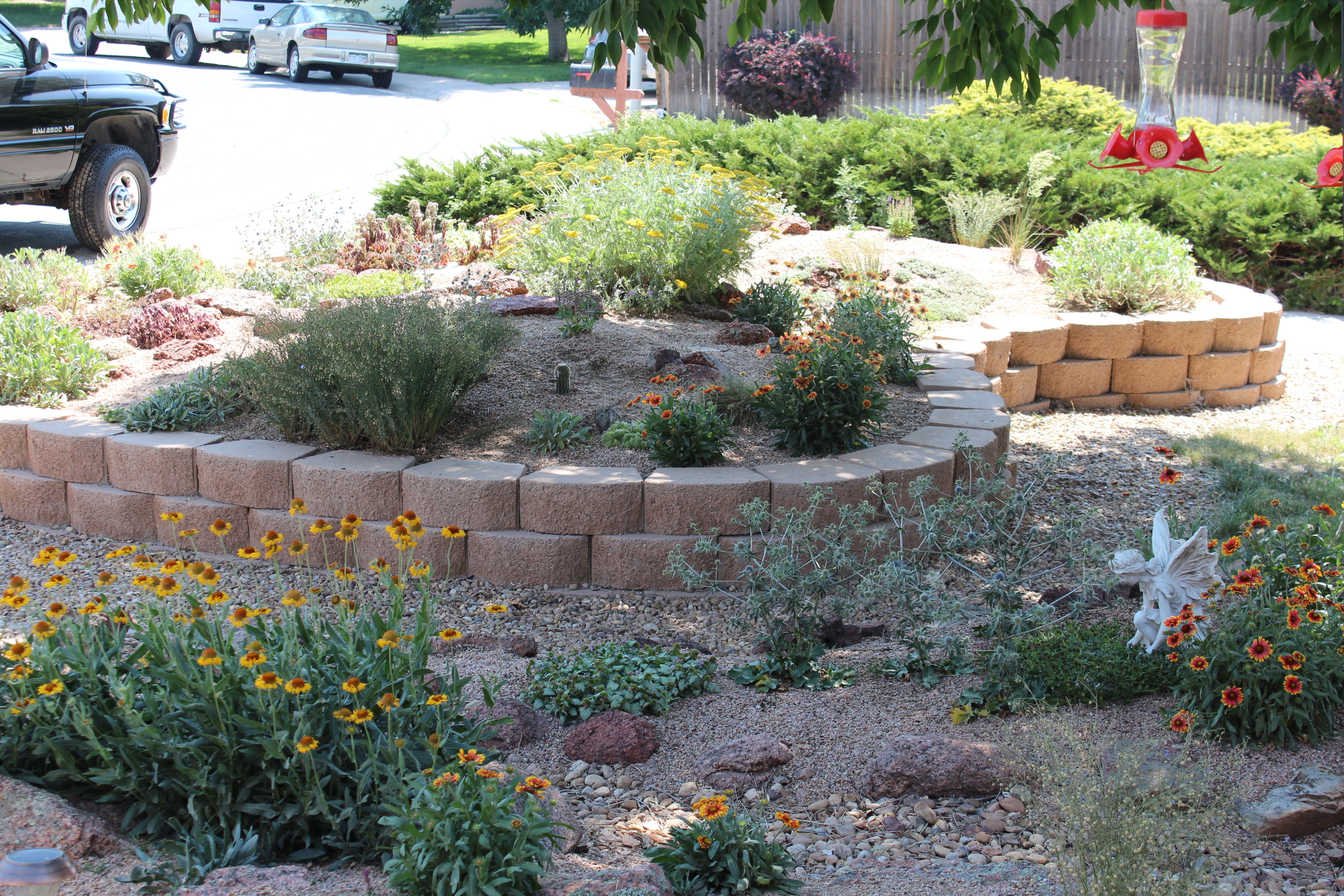
When we bought our suburban home, it had the world’s ugliest front yard.  It was poorly cared for and pavement quality clay made up most of the available yard.  We didn’t want to add anything like traditional Kentucky Bluegrass seed (grass in an arid climate is the height of stupidity) so we delved into the world of Xeric landscaping.  The front yard was transformed into paths of flagstone, granite lined water efficient plant beds, Russian Sage, and a growing bed made of landscaping stones.  We hauled in thousands of pounds of stone, gravel, rocks, topsoil, and plants we had never used before…. we jumped in head first.

Here is the end result:
IMG_1238

IMG_1364 IMG_0011

This has been Zina’s playground for several years and she has become the resident expert on Xeric growing.

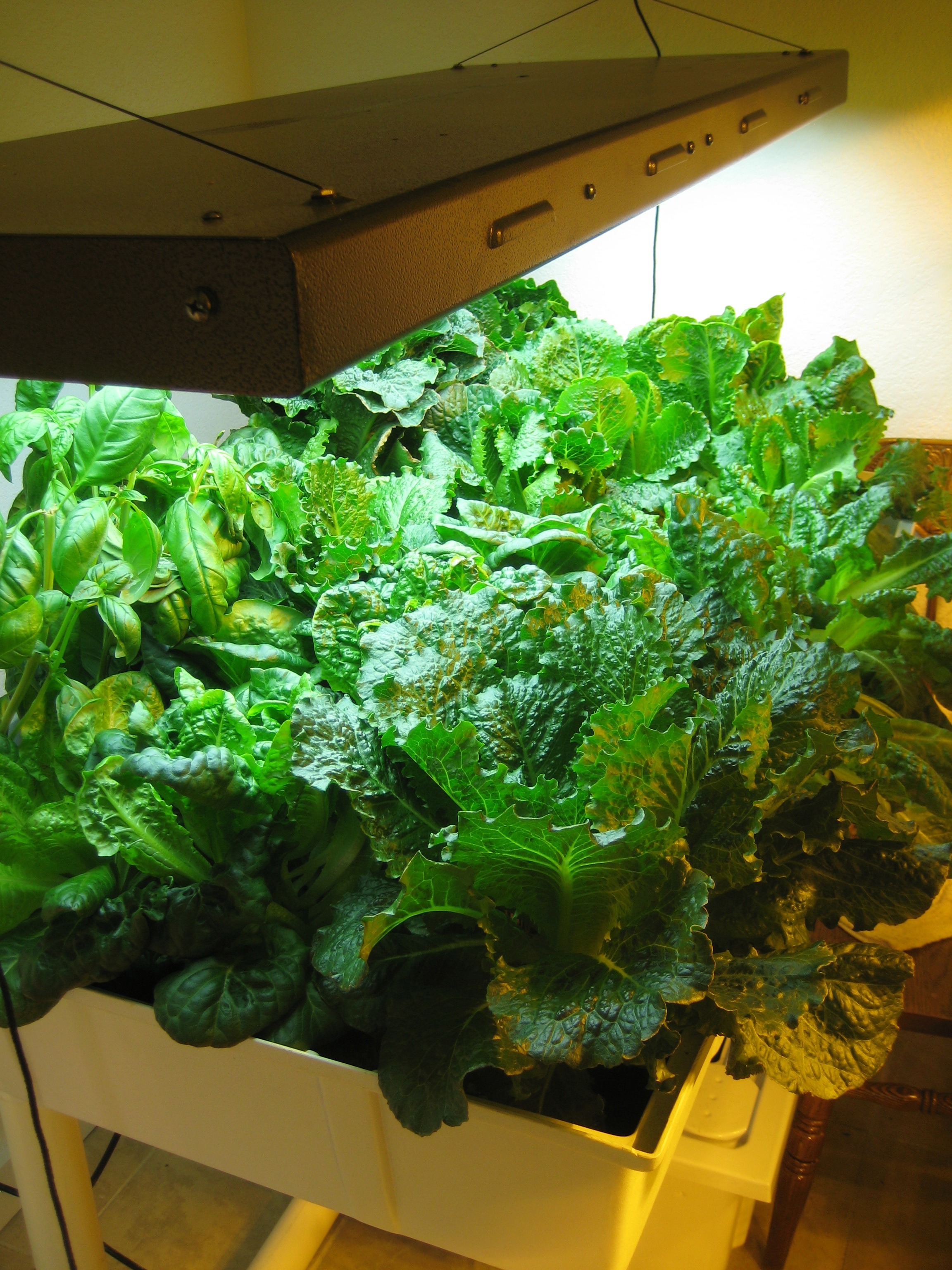
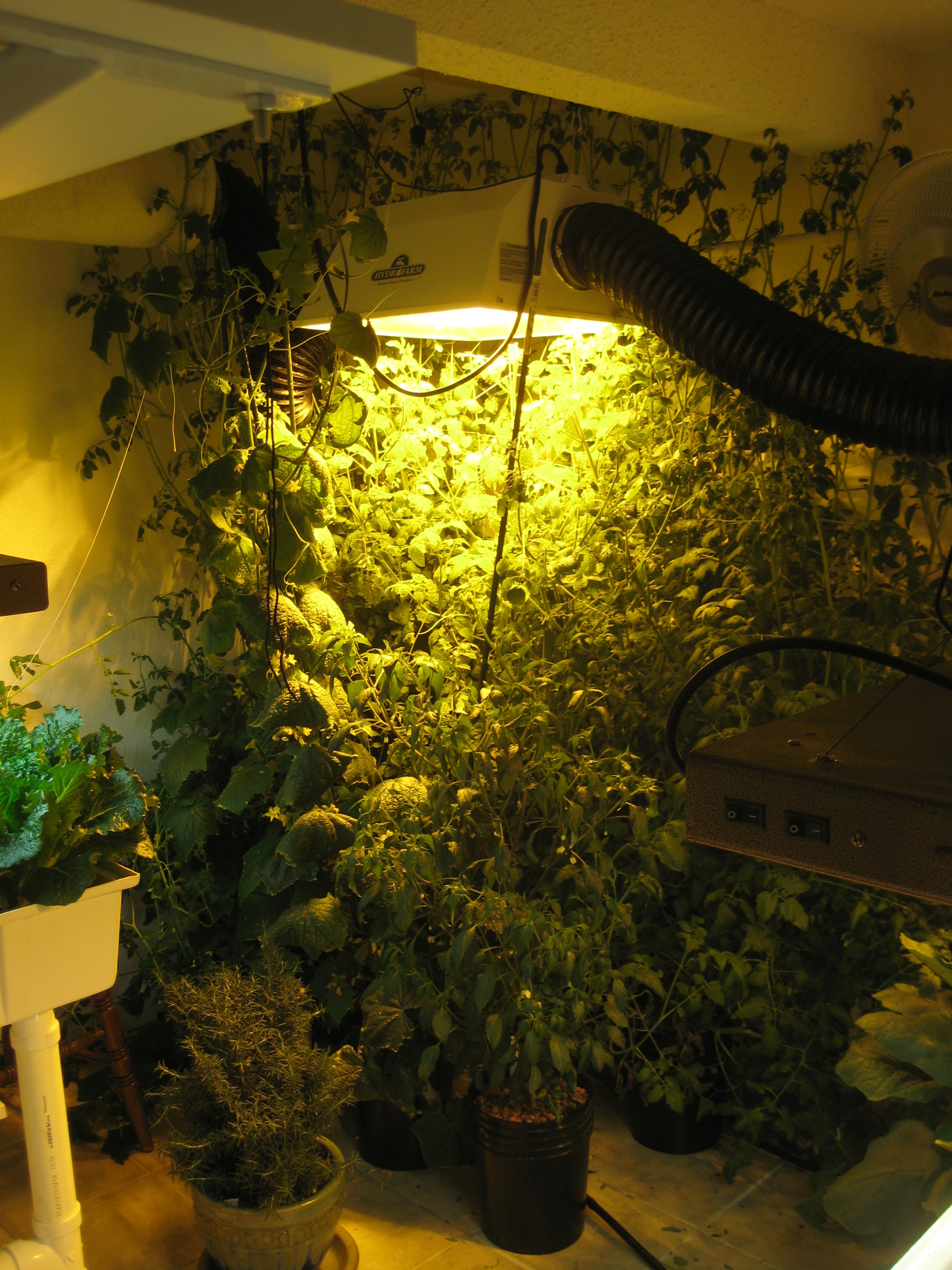
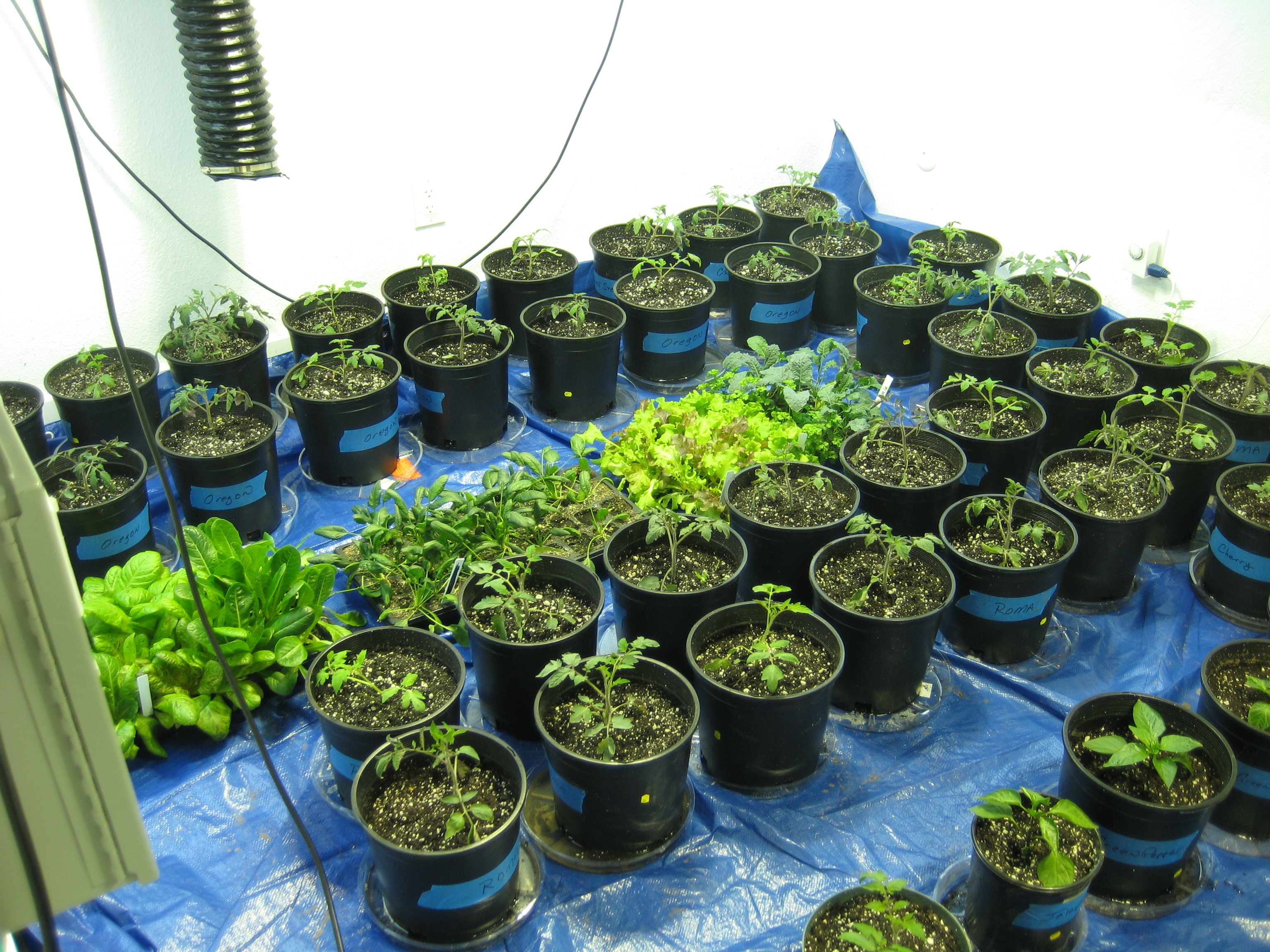
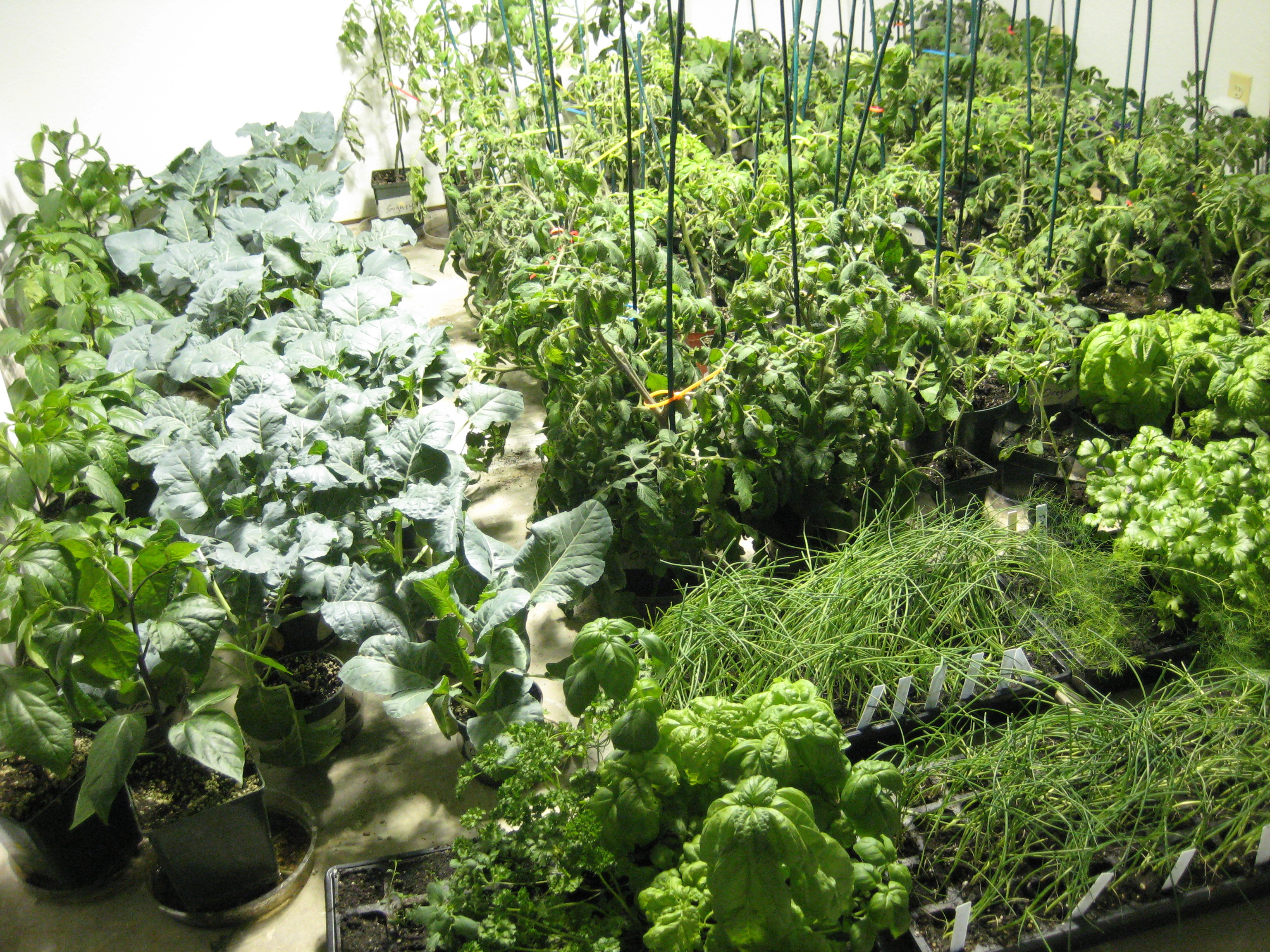
Now that the front yard required very little water, the next evolution was working to find a way to start growing food in an urban setting.  I experimented with outdoor hydroponics with less than stellar results, so I moved it indoors.  I built a grow room in a spare room in our basement.  Of course, when one looks for information about this type of production, the internet gives you every manner of how to grow marijuana!  I really do grow lettuce and tomatoes down there!  In a 9×12 room I was able to grow all of our greens year round.  I also grew tomatoes, peppers, eggplant, and cucumbers throughout the winter.   Here is a sample:

IMG_1991 IMG_1990

There were 3 drawbacks:

1.  It is very limited quarters and the tomatoes, as you can see, get HUGE!

2.  If you get insects it can be very difficult to get rid of them.  We had a serious issue with Whiteflies.  While they stayed confined to the grow room they were an infuriating nuisance.

3.  As it requires supplemental lighting, it is NOT energy efficient.  I have 3000 watts of lights on timers.  The big Halide lamps use enormous amounts of electricity.

To get around the energy issue and in keeping with a desire to be more sustainable we contracted with Solar City to put solar panels on the house.  As we didn’t have room in the backyard for a greenhouse of sufficient size, this was a way to take the sun, turn it into electricity and use it to power the grow lamps.  To date we have had almost no electric bill.

In the late winter, the hydroponic system would get shut down and converted into a room to start seedlings for the urban farm.  After getting a taste of the produce just from a small hydroponic operation, I had a burning desire to have it on a grander scale.  We wanted to see just how much our yard could produce.

IMG_1940 IMG_1567

Enter JAZ Urban Farm:

The back yard had no access to vehicles so everything needed to be brought in and built by hand.  30 yards of topsoil and all of the materials for the hoop covers were all brought in by wagon.  My pick-up got quite a workout … and so did I.

JAZ Urban Farm:

IMG_1527 IMG_1674 IMG_0023 IMG_0030 IMG_0042

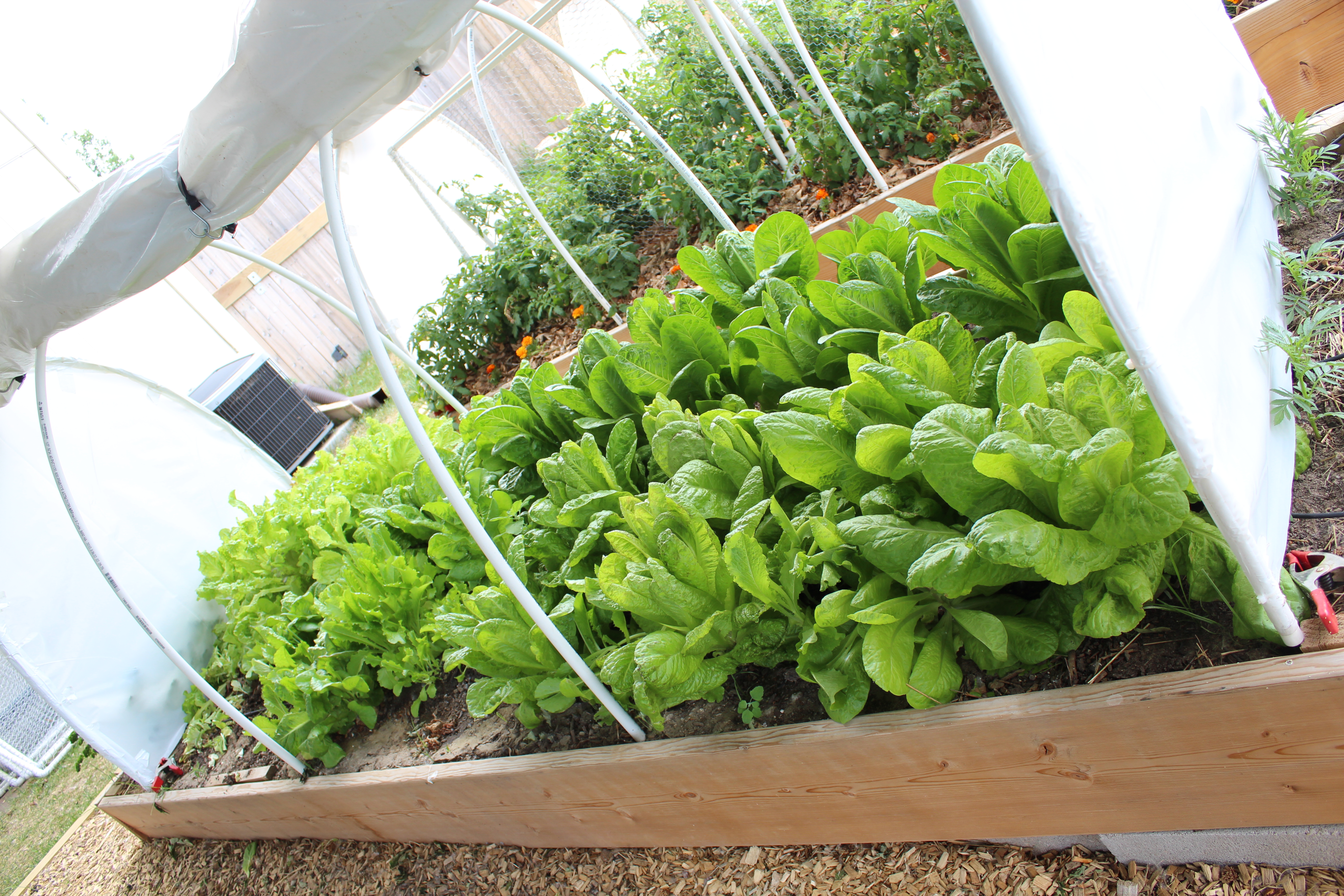
This has been an amazing success.  The hoop covers add close to a month on each end of the grow season.  By starting the tomatoes and peppers, indoors the first week of March, they can be set out in the covered hoops, usually, the first week of May.  We have harvested hundreds of pounds of produce and by learning to freeze, can, and dehydrate much of what we produce lasts just about through the winter.  We have guessed that we grow all of our produce in the summer, and have most of our dinner ingredients available in the pantry.  We have canned, frozen, and dehydrated onions, tomatoes, beans, peppers, Kale, celery, eggplant, Zucchini, and cucumbers (pickles) and we grow all of the garlic and most of the herbs we need.  Not bad for a 70 X 25 foot plot.  We have 25 raised beds.  Even with the work out at the JAZ Farm homestead we currently have the grow room filled with plants once again and are waiting for the snow to stop for the season (it is May 1st and snowing).  Perhaps when Grandma comes out at the end of the month she’ll want to get her hands dirty and help plant (hint!)

IMG_1694 IMG_1692IMG_1769 IMG_3048 IMG_3009 IMG_3008 IMG_3006 IMG_3005 IMG_1698


The JAZ Farm homestead evolved out of all of this.  Evidently we have the gardening and sustainability bug.  It is all wonderful therapy – Especially in a country that seems to think that food comes from a drive through or is wrapped in cellophane.

The BIG Tractors started rollin’

IMG_2367 IMG_2366 IMG_2365 IMG_2360


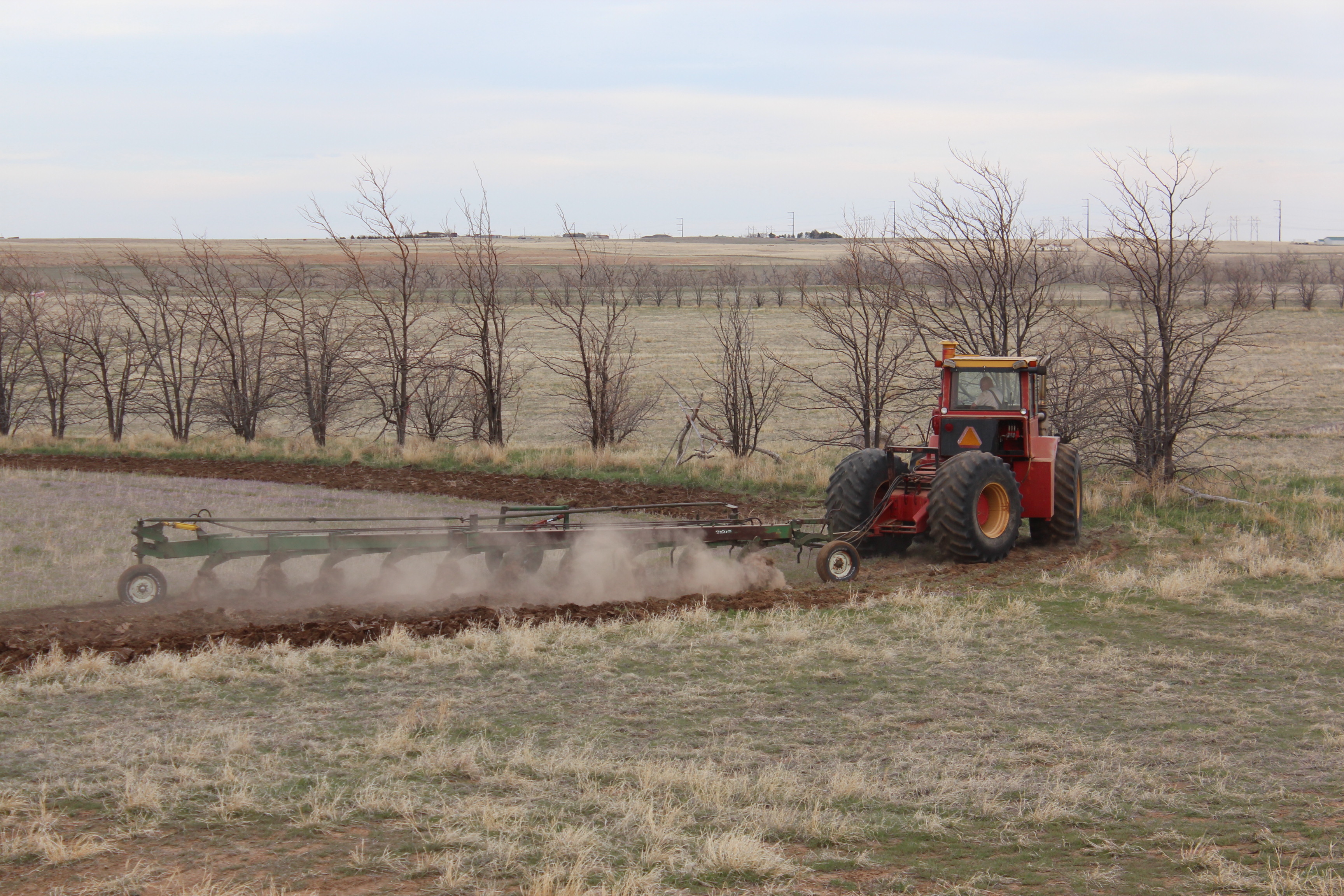
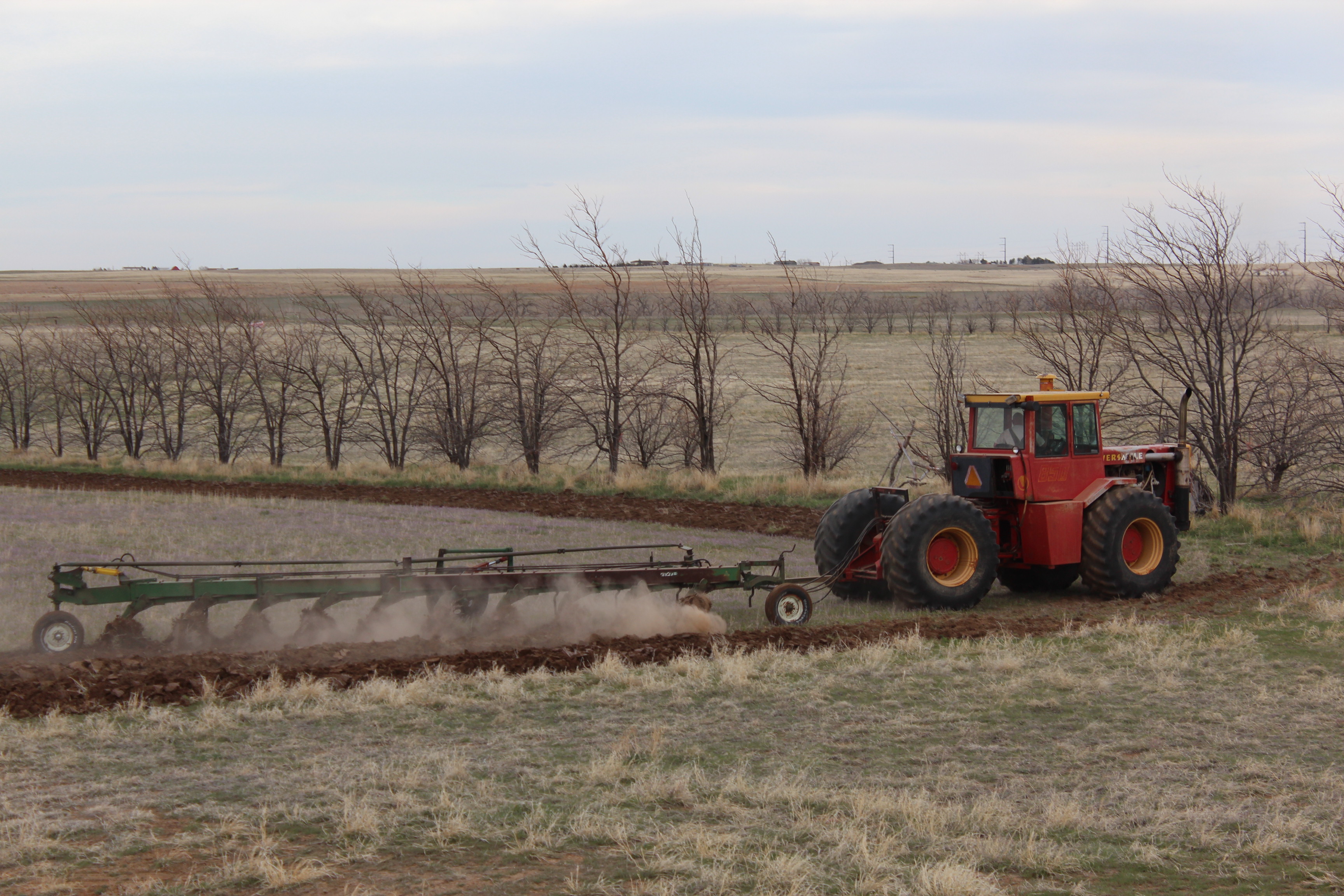
So spring has sprung on the first year of the JAZ Farm.  As I posted previously we agreed with our neighbor to let him farm the back thirty or so acres with wheat.  We hadn’t heard from him in a little while but then round about dinner time I heard the roar of a loud diesel engine, looked out back and there he was pulling this huge plow!  My tractor for the organic garden has a one blade mold board plow to turn over the soil.  This guy’s is 10 feet wide!!  He did about 3 passes and dug into the soil about 18 inches.  My goodness those things are powerful!!

I have to admit some hesitancy here.  While the land would simply lay unused if he didn’t lease it, it is still “conventional” farming.  In that, he turns up the soil and burns diesel fuel.  Because it is wheat, it isn’t a GM crop.  If it were, this would NOT be happening.  It is dry farming so there is little else being done to it until harvest. I get a tax break for Ag use of the land and I should get a huge load of straw from it come harvest time in July.  We have agreed that he will win row the stalks so we can have someone come in and bale it.  So to loosely quote an author:  It is the best of times and the worst of times.  I guess one shouldn’t let the perfect become the enemy of the good.  After all, I could be out there with my little putter tractor planting a sunflower or two.  This way I will have all the straw I could ever need for mulch and chicken coop litter.

Building the JAZ Farm Observing Site

What a whirlwind the JAZ Farm cleaning, refurbishing, rebuilding and repurposing has been.  Its hard to believe that so much has happened so fast and how livable and comfortable the place has become.  We are so looking forward to all of it coming together to become the functioning homestead its intended to be.

Today was a project for pure Zen and pure enjoyment of the night sky:

In order to do astronomical observing, it is important to have all white light sources doused.  If they are shining (like headlights) one’s night vision quickly gets ruined and makes stargazing difficult. Our neighbors to the north have one of those bright streetlight type of mercury vapor lamps over their barn.  It is the only irritating white light out back where the scopes get set up.  Until today, we had been moving a utility trailer out back in order to block out the lamp.

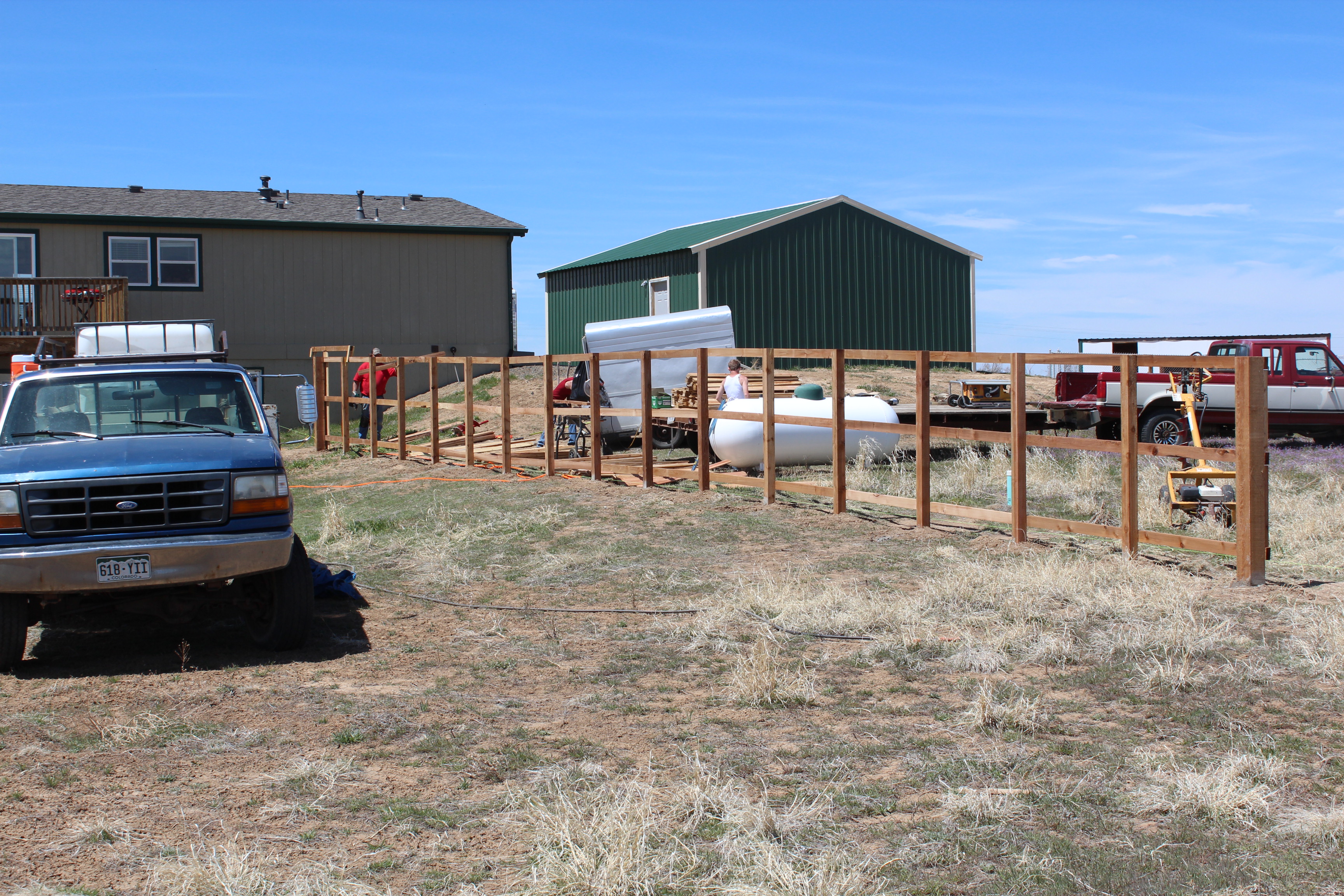
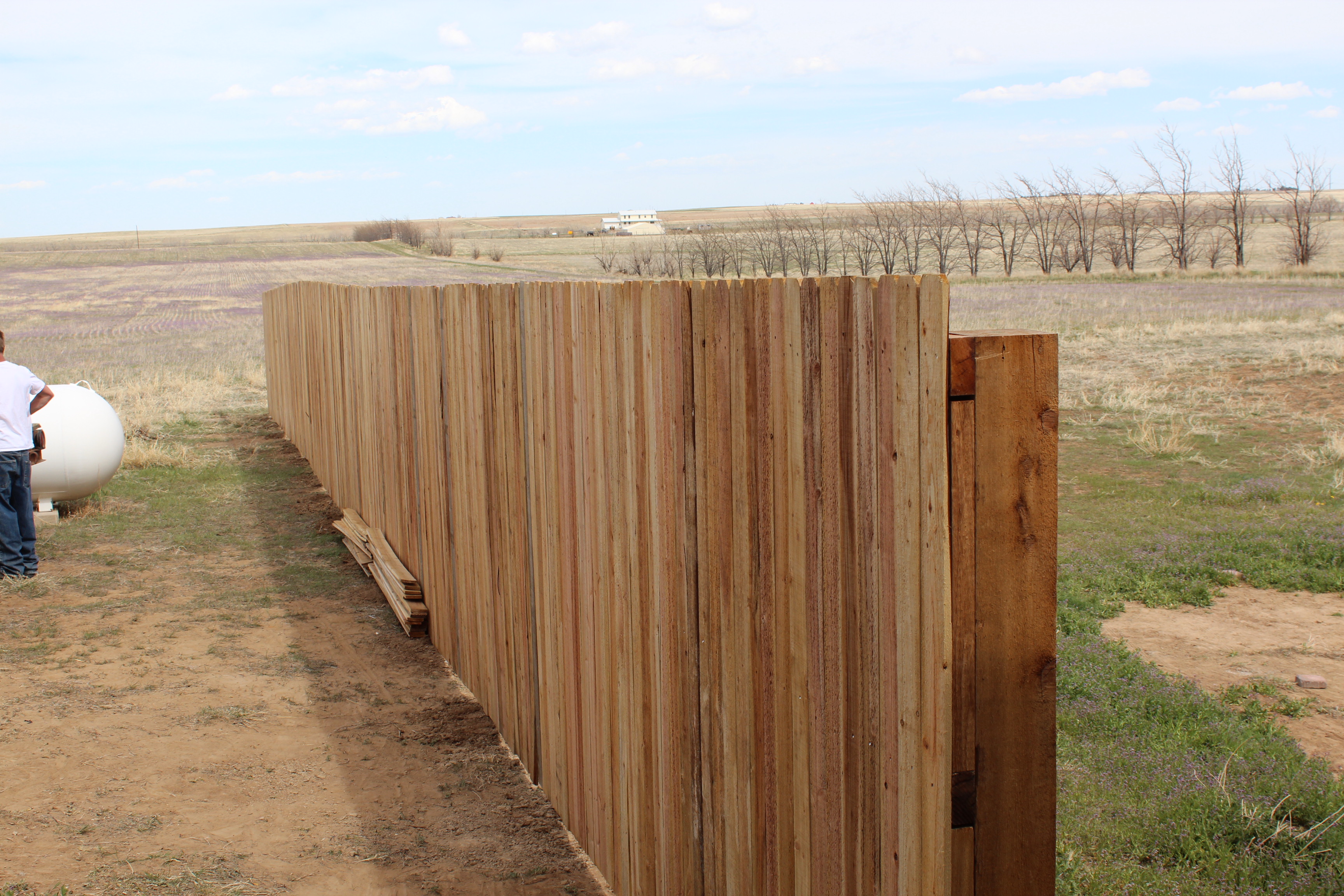
Today Bruce of Bruce’s Fences and his team came out and put up an 80 foot windbreak/privacy fence that easily blocks out the neighbors streetlight.  It is rated to 170 mph winds and should also help keep the snowdrifts to a minimum in the observing area.  We joked that if thats the case, the house will blow into OZ before the fence does!

We are looking forward to clear skies in order to go out and observe.  With this fence in place we now will have about 2/3’s of the sky observable, the best being to the east and south.  The house itself blocks out the Denver light dome to the west so we are all set!  Zina’s Binoculars, Aaron’s 10 inch Orion, and Jon’s 22 inch Webster now have a more permanent, useable home!  We are looking forward to many years of gazing up at the stars and losing ourselves in the gorgeous and awe-inspiring objects that create the JAZ Farm night canopy!  Looking forward to many other Astro-nuts coming out to party under the stars.

IMG_2341 IMG_2346 IMG_2347 IMG_2349 IMG_2350 IMG_2351

Springtime on the Plains

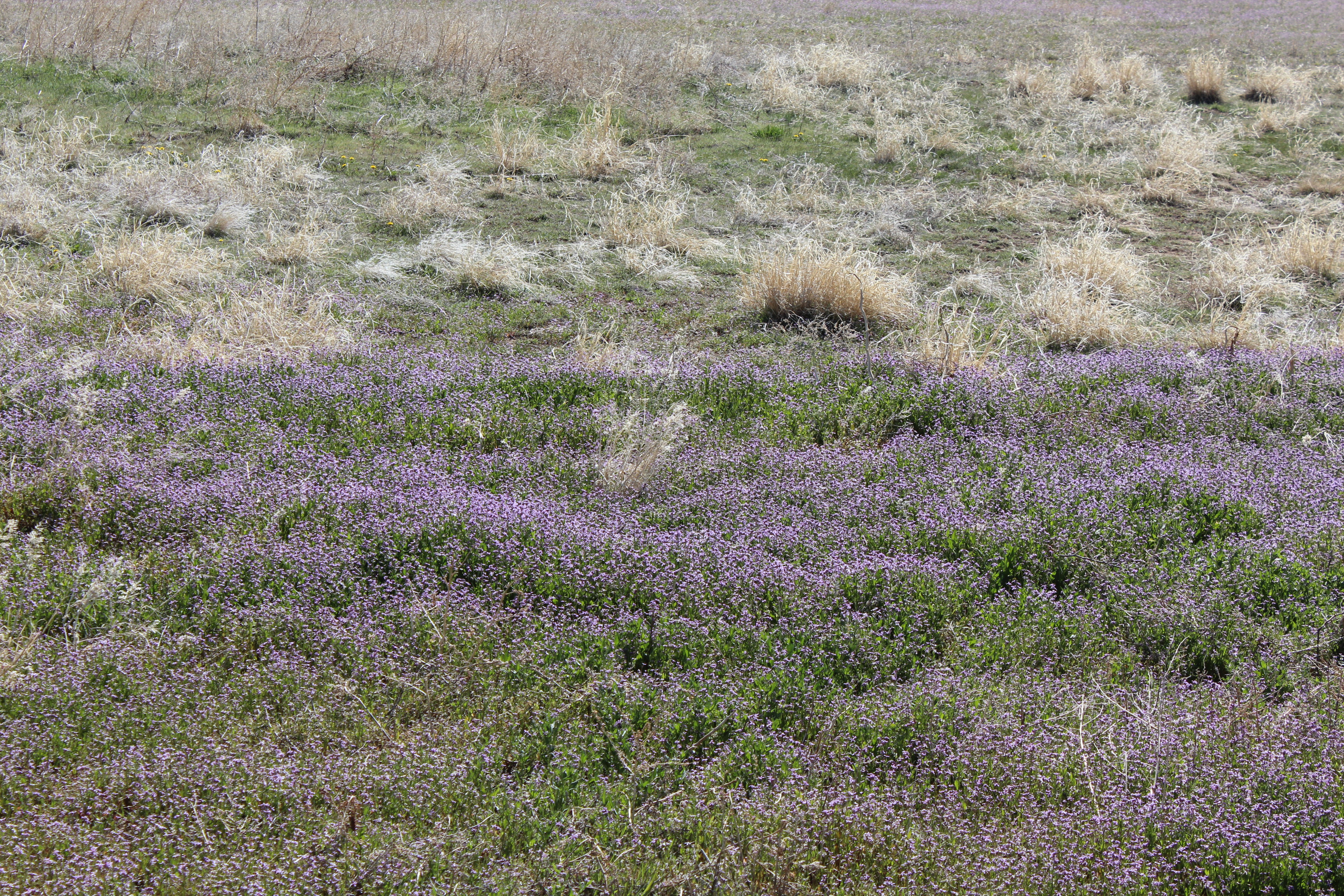
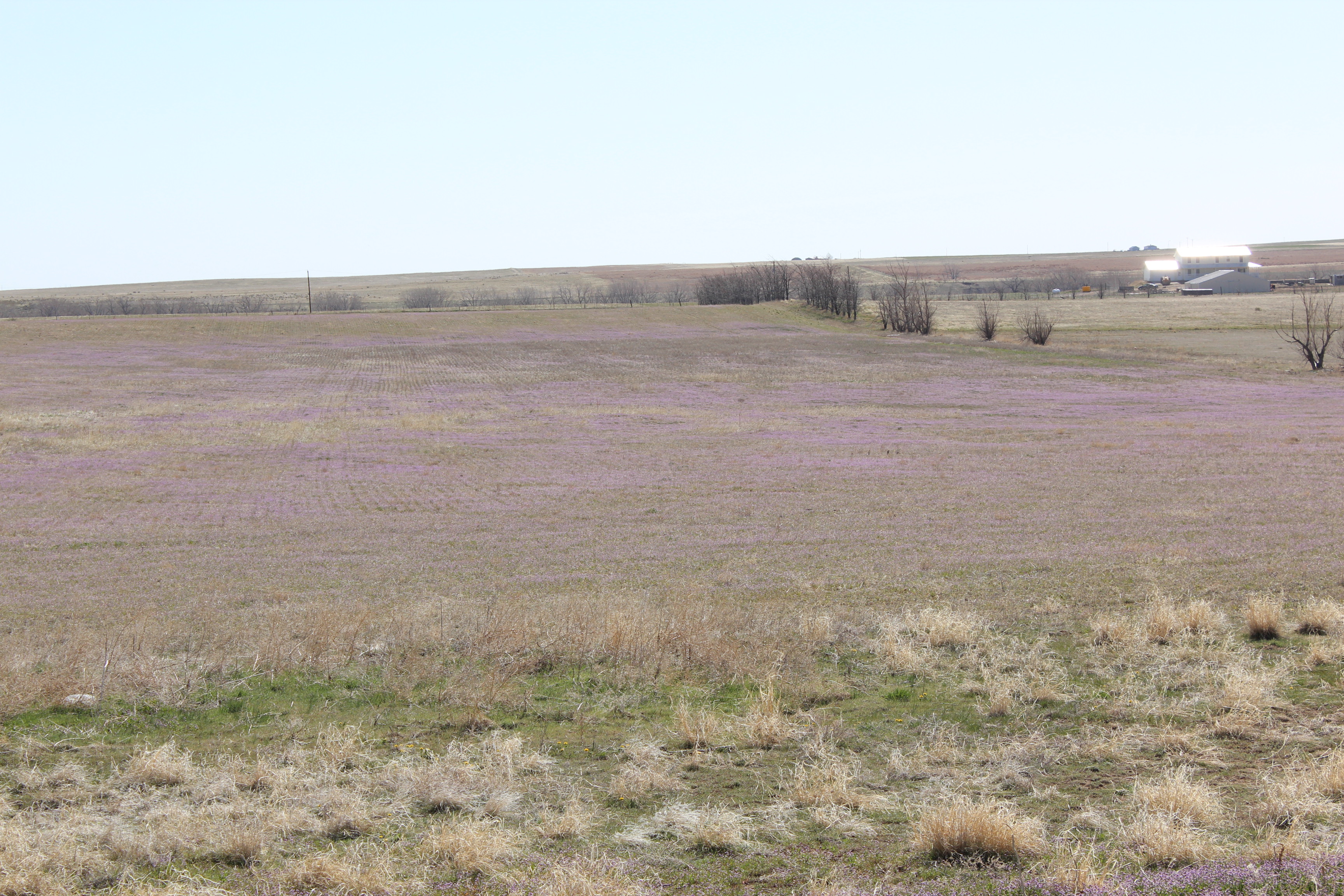
Spring has sort of sprung here!  After a very white April we are starting to see signs of growth and green!  Of course we are expecting snow this Wednesday but we’ll take the sunshine and warmth while we may!  Almost overnight the prairie flowers shot up.  Our entire field is purple!  After doing some research we found the flowers to be called “Purple Mustard”.  Evidently they are invasive (figures) and wheat growers hate them because they reduce yield.  They like to invade land that has been tilled up and not used for a season or two (like ours).  They have a distinct (but not too unpleasant) smell.  During the sunrise and later on in the afternoon the sun really brings out the color.  Zina got a shot or two of them.

IMG_2332 IMG_2330 IMG_2329

Primed for color

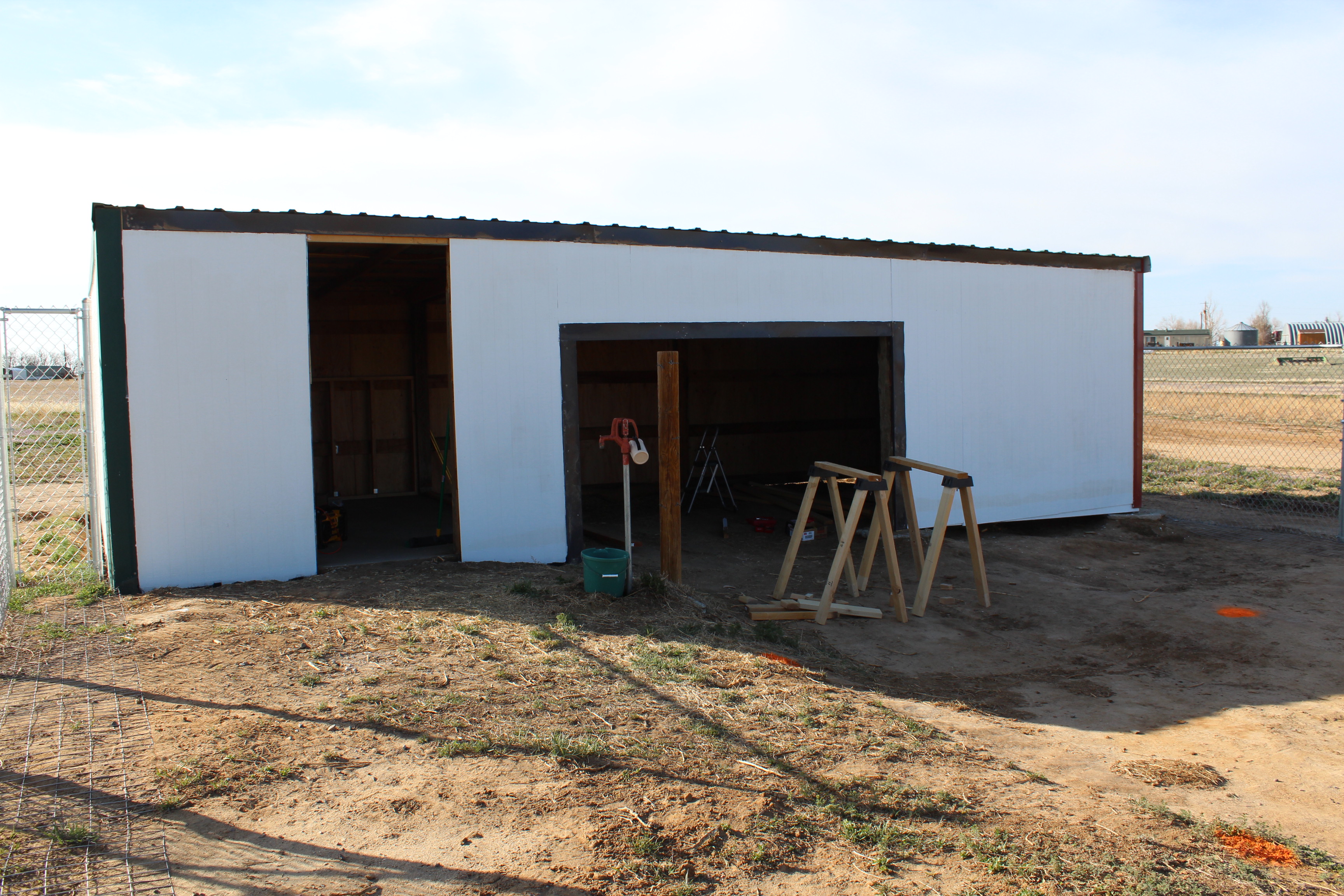
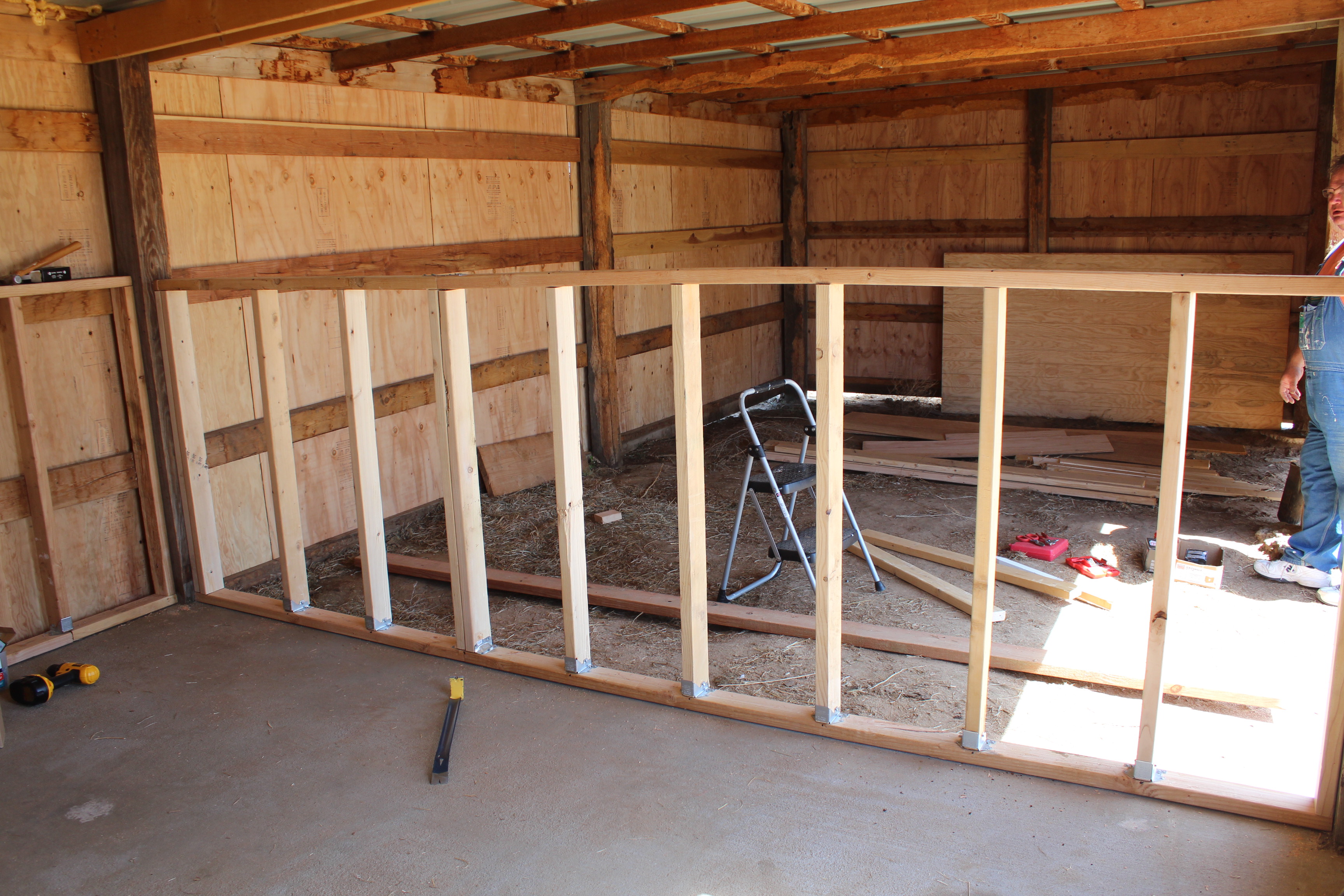
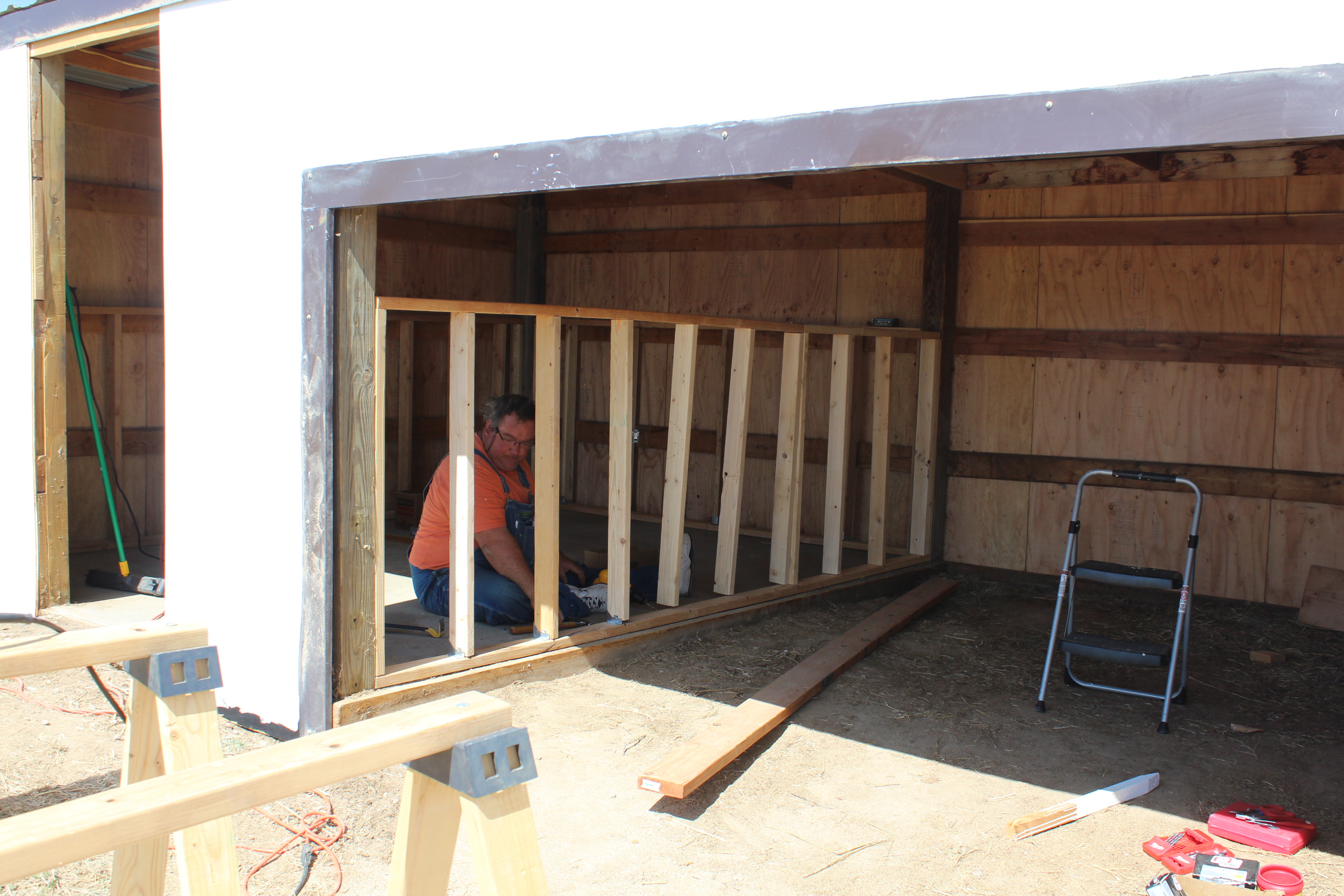
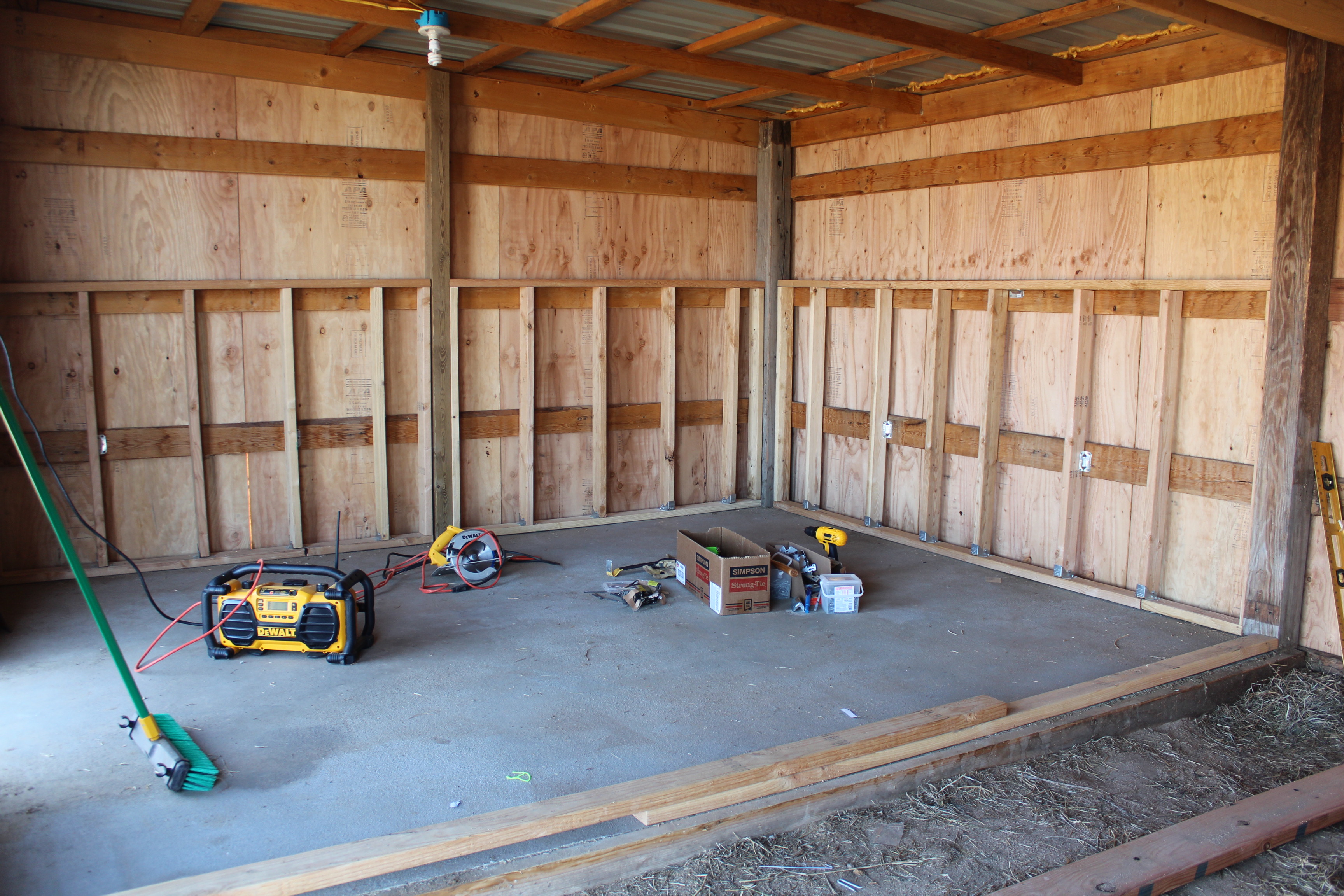
The coop project is coming along steadily.  Zina finished priming it so the new paneling wouldn’t get weathered while we build (we are actually expecting snow again Wednesday – it was 75 degrees today! – no global weirding involved! ; )  )  I have begun framing the interior.  While it is much less heavy and awkward than hanging the new panels, I have been reminded of what squat-thrusts were all about in high school PE:  “Up, Down, measure, lift, move, cut, haul, squat, nail, drill, up…. repeat”.

IMG_2325 IMG_2328 IMG_2337 IMG_2336 IMG_2334


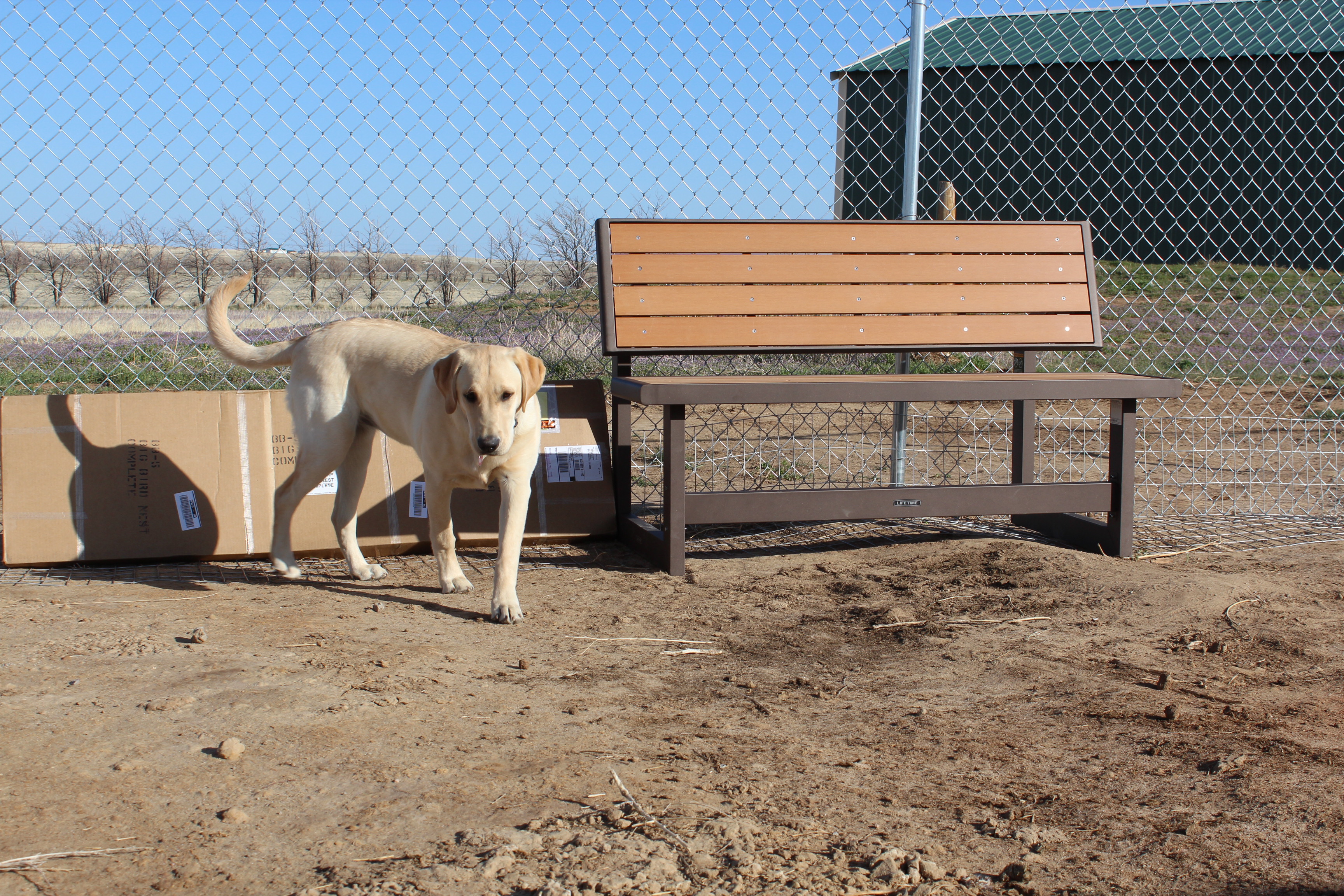
In between homework assignments Aaron came out and assembled a bench for us.  It will be used to while away the hours at the Chicken Hilton watching the entertainment  (of course, Basil tried to help!)

IMG_2327


I was wounded in action today!  It was kind of like being shot with a BB Gun.  I had to pull out an old nail with a crowbar and in my not so subtle and gentle fashion I pulled the head right off the nail!  It sparked as it left – indicating it was hot – and lodged itself in my forearm.  Chicken battle wounds.  What one won’t do for their hobby!

Which one is the chemical weapons criminal?

I was perusing the online paper today and came across what I thought was an interesting conundrum.  We are so concerned, and rightly so, about an evil dictator using chemical weapons against those who don’t seem to dig the way he’s running things.

We on the other hand have a chemical company that gets us to do it to ourselves.

Which is worse?

http://www.huffingtonpost.com/2013/04/26/syria-denies-chemical-weapons_n_3161711.html

or

http://www.huffingtonpost.com/2013/04/25/roundup-herbicide-health-issues-disease_n_3156575.html

I wonder….. did the same company make both?  Didn’t research it but the second one was responsible for many chemical weapons.  We spray it by the millions of gallons on fields, golf-courses, driveways, you name it.

Hmmmmm,  me thinks farming makes lots of sense.


JAZ Farm Library

This post is a lengthy listing of Books, Movies, Documentaries and Articles that have influenced our worldview and led to the creation of JAZ Farm.  It is kind of unwieldy.  If you are interested in any of them you can simply copy the title and paste it into Google.   It is a great library and has kept me busy in my Kindle and iPad and, lest we forget, real honest by goodness print for several years.  I hope you find some of them informative, challenging and thought provoking.  I will post new titles and links as I discover them so this post will be updated and edited from time to time.  Simply click on the Bibliography category link on the home page and it should bring it up instead of having to scroll through all of the other posts.

I’ve seen or read them all – The * symbol indicates highly recommended

Books about Food and the Food System:

* >The China Study – T. Colin Campbell

>The American Way of Eating – Tracy McMillan

* >Animal Factory – David Kirby

>The Vegetarian Myth – Lierre Keith

>The Botany of Desire – Michael Pollan

* >The End of Food – Paul Roberts

>Farm City – Novella Carpenter

* >Fast Food Nation – Eric Schlosser

* > The Omnivore’s Dilemma – Michael Pollan

* >In Defense of Food – Michael Pollan

* >Salt, Sugar, Fat – Michael Moss

>Tomatoland – Barry Estabrook

>Empires of Food – Evan D.G. Fraser and Andrew Rimas

* >Pandora’s Lunchbox – Melanie Warner

>Eating Animals – Jonathan Safran Foer

>The Accidental Farmer – Tim Young

>Beautiful and Abundant – Bryan Welch

>Bringing It To The Table – Wendell Berry

>The Chicken Chronicles – Alice Walker

* >Diet For A Hot Planet – Anna Lappe’

>The Dirty Life – Kristen Kimball

>Folks, This Ain’t Normal – Joel Salatin

* >Everything I want To Do Is Illegal – Joel Salatin

* >Food Inc. – Karl Weber

>The Good Food Revolution – Will Allen

>Growing a Farmer – Kurt Timmermeister

>Its a Long Road To A Tomato – Keith Stewart

>Life is a Miracle – Wendell Berry

>Living In The Land of Enough – Courtney Carver

>No Happy Cows – John Robbins

>Minimalism: Live a Meaningful Life – Joshua Fields Milburn

>Organic Manifesto – Maria Rodale

>Son of a Farmer Child of the Earth – Eric Herm

* >Stuffed and Starved: The Hidden Battle For The World Food System – Raj Patel

>Food Politics – Marian Nestle

>The Way of Ignorance – Wendell Berry

Political, Philosophical, Ethical

>Cooking Solves Everything – Mark Bittman

>The Crash Course: The Unsustainable Future of Our Economy, Energy and Environment – Chris Martenson

* >The Culture of Make Believe – Derrick Jensen

* >Dreams – Derrick Jensen

>Eaarth: Making a Life On a Tough New Planet – Bill McKibben

>Empire of Illusion – Chris Hedges

* >The End of Growth – Richard Heinberg

>End Game Vol 1. and Vol. 2 – Derrick Jensen

* >The Fall: The Insanity of the Ego In Human History and the Dawning of a New Era – Steve Taylor

* >Confessions of an Economic Hit Man – John Perkins

>Hoodwinked – John Perkins

* >Limits To Growth – The 30 Year Update – Donella Meadows and Jorgan Randers

>Confronting Collapse – Michael C. Ruppert

>Crossing the Rubicon – Michael C. Ruppert

* >The Long Emergency – James Howard Kunstler

* >Peak Everything: Waking Up To The Century of Declines – Richard Heinberg

>The Race for What’s Left – Michael T. Clare

* >Resistance Against Empire – Derrick Jensen

>Retirement Heist: How Companies Plunder and Profit From The Nest Eggs of American Workers – Ellen E Schultz

>Snakes in Suits:  When Psychopaths Go to Work – Paul Babiak

>The Third Industrial Revolution – Jeremy Rifkin

>Vulture’s Picnic – Greg Palast

>Oil and Finance:  The Epic Corruption – Raymond J. Learsey

>The Oil Depletion Protocol – Richard Heinberg

>Powerdown – Richard Heinberg

>Too Much Magic – James Howard Kunstler

* >American Facists – Chris Hedges

>Born To Be Good – Dacher Keltner

>Cheap: The High Cost of Discount Culture – Ellen Ruppel Shell

>the Death of the Liberal Class – Chris Hedges

* >Deer Hunting With Jesus – Joe Bageant

* >The End of Growth – Richard Heinberg

>The Great Disruption – Paul Gilding

* >Here We All Are – Ram Dass

* >Griftopia: Bubble Machines, Vampire Squids, and the Long Con That is Breaking America

>The New Golden Age: The Coming Revolution Against Political Corruption and Economic Chaos – Ravi Batra

>A People’s History of The United States – Howard Zinn

>The Political Mind – George Lakoff

>The Psychopath Test – Jon Ronson

* >Quiet: The Power of Introverts in a World That Can’t Stop Talking – Susan Cain

>The Science of Fear – Daniel Gardner

* >Screwed: The Undeclared War Agains the Middle Class – Thom Hartmann

>Self-Reliance – Ralph Waldo Emerson

* >The Shock Doctrine and the Rise of Disaster Capitalism – Naomi Klein

>The Uprising – David Sirota

>Virus of the Mind – Richard Brodie

* >When Corporations Rule The World – David C. Korten

>Winner Take All Politics – Jacob S. Hacker

* >The World Made By Hand – James Howard Kunstler

* >The Witch of Hebron – James Howard Kunstler

Movies and Documentaries

*>Critical Mass

*>Genetic Roullette

* >Crazy, Sexy Cancer

* >Dirt! The Movie

>Dive!

* >Farmaggedon

>Fast Food Nation

* >Fat, Sick, and Nearly Dead

* >Flow: How do a Handful of Corporations Steal Our Water

* >Food Fight

>Forks Over Knives

* >Fresh

>The Future of Food

>Happy

>The Harvest

>Hungry for Change

* >I Am

>Killer At Large: Why Obesity Is America’s Greatest Threat

* >King Corn – You Are What You Eat

>Lbs.

>The Perfect Human Diet

>Planeat

* >Surviving Progress

>Vegucated

* >The World According To Monsanto

>The Consequences of Suburbanization

>A River Of Waste

>Manufactured Landscapes

>Meat The Truth

>Gashole

* >What A Way To Go: Life at the End of Empire

>Blind Spot

>Fuel

>No Impact Man

>The 11th Hour

>Poison On The Platter

>A World Without Water

>The Slow Poisoning of India

* >Natural World: A Farm For The Future

* >Patent For a Pig: The Big Business Of Genetics

* >Life Running Out of Control

* >The Story of Stuff

>Way Beyond Weight

>Seeds of Freedom

>Fast Food, Fast Profits: Obesity In America

* >Food Matters

* >Super Size Me

>Ethos

* >Ingredients

>Food Beware

* >Why We Fight

>Our Daily Bread

>Frankensteer

* >Bananas!

* > Vanishing Of The Bees

Websites

http://www.deepgreenresistance.org

http://guymcpherson.com

http://peakmoment.tv

http://www.onestrawrevolution.net

http://www.collapsenet.com

http://www.navdanya.org

http://www.handpickednation.com

http://www.CenterForFoodSafety.org

http://www.OrganicConsumer.org

http://www.FoodSafetyNews.com

http://www.PostCarbon.org

http://www.PeakProsperity.com

http://www.FoodDemocracynow.org.

http://oilprice.com/Energy/Crude-Oil/Arab-Countries-Openly-Discuss-Peak-Oil-for-the-First-Time.html

Books About Things That Make You Go HMMM…..

>The Believing Brain – Michael Shermer

* >Bio-Centrism: How Life and Consciousness Are The Keys to the True Nature of the Universe – Robert Lanza

>Be Love Now – Ram Dass

* >Becoming Enlightened – The Dalai Lama

>Emotional Freedom – Judith Orloff

* >The End of Your World – Adyashanti

>Emptiness Dancing – Adyashanti

* >God Is Not Great – Christopher Hitchens

* >The Greatest Show On Earth – Richard Dawkins

* >Forged: Writing In The Name of God – Why The Bible’s Authors Are Not Who We Think They Are – Bart D. Ehrman

* >The Fourth Turning: An American Prophecy – William Strauss

>The Jewel Tree of Tibet – Robert Thurman

* >Last Words – George Carlin

>A New Earth – Eckhart Tolle

* >The Power of Now – Eckhart Tolle

>The Republican Brain – Chris Mooney

>1984 – George Orwell

>Back to Sanity – Steve Taylor

>Being Gay is Disgusting – Edward Falcon

* >Jesus, Interrupted: Revealing The Hidden Contradictions in the Bible (And Why We Don’t Know About Them) – Bart D. Ehrman

* >Misquoting Jesus: The Story Behind Who Changed The Bible and Why – Bart D. Ehrman

>Outliers: The Story of Success

>The Power of Your Subconscious Mind – Joseph Murphy

>Total Freedom:  The Essential Krishnamurti – Jiddu Krishnamurti

How To Instructional Books

>Aquaponic Gardening – Sylvia Bernstein

>Country Wisdom and Know-How, Everything You Need to Know to Live Off the Land, From the editors of Storey Books

>The Organic Farming Manual -Ann Larkin Hansen

*>The Vegetable Gardener’s Bible – Edward C. Smith

*>The Beekeeper’s Bible – Stewart Tabori and Chang

>The Backyard Homestead – Edited by Carleen Madigan

*>Storey’s Guide to Raising Chickens – Gail Damerow

>Homesteading in the 21st Century – George Nash and Jane Waterman

>Storey’s Guide to Raising Meat Goats – Maggie Sayer

>Storey’s Guide to Raising Dairy Goats – Jerry Belanger and Sara Thomson Bredesen

*>Guide to Rocky Mountain Vegetable Gardening – Robert Gough and Cheryl Moore-Gough

*>The Self-Sufficient Life and How To Live It, The Complete Back To The Basics Guide – John Seymour

*>Mother Earth News

The Chicken Hilton

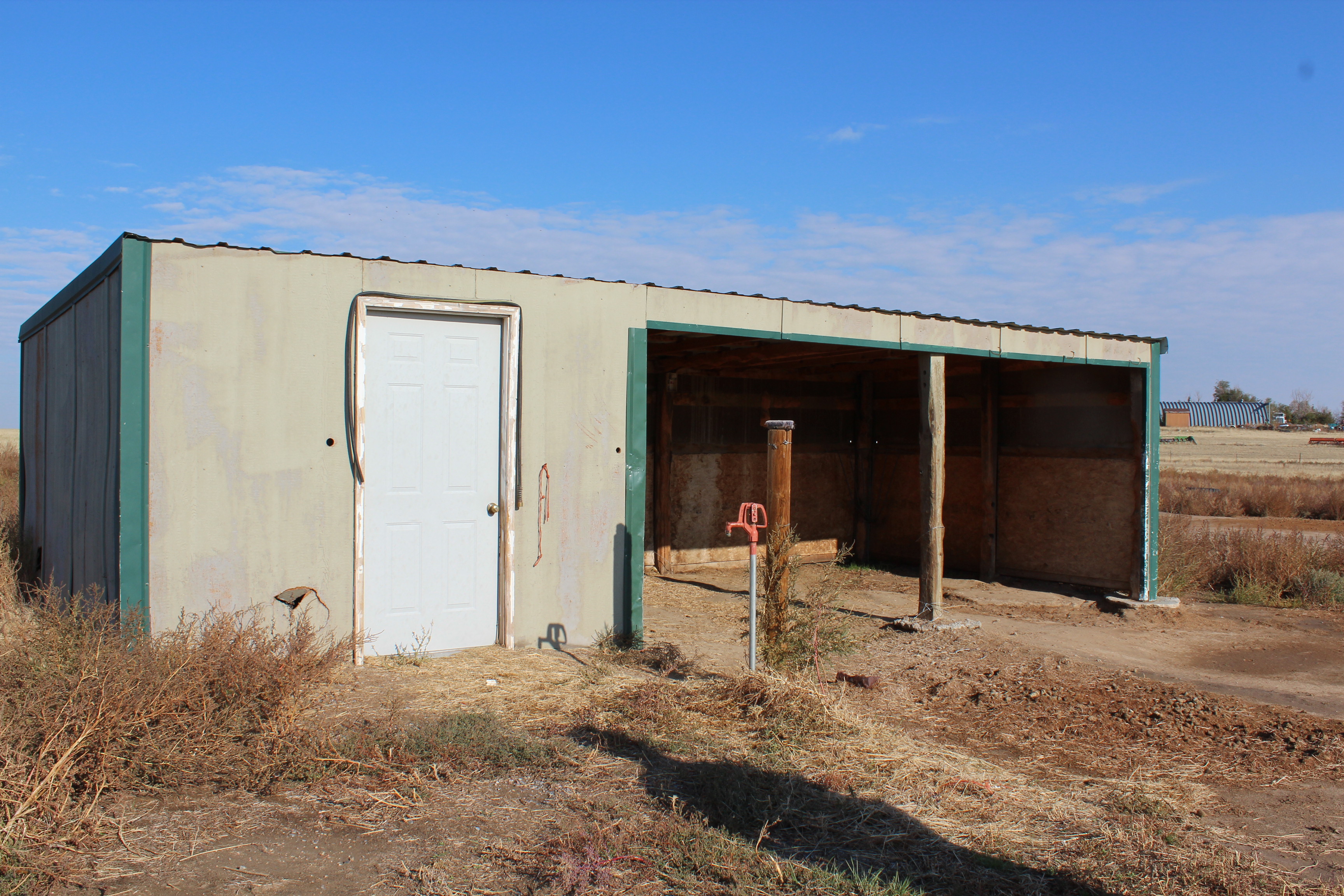
The big project other than the farmhouse remodeling projects has been turning an old horse shed into the future JAZ Farm chicken coop.  This is an attempt to use what is already here rather than build something new.  The shed was essentially a structure that the animals could come into in order to escape the elements.  You’ve probably seen them on any trip to the country.  The front is open and has a sloped roof to channel water from when it rains or snows and can house a manger and water trough out of the baking sun or the severe elements of winter.  The shed on the farm also had, on its southern end, an enclosed tack room.  While the whole thing was well worn and used, the tack room had a professionally poured cement floor!  Perfect for a coop.  The big issue with any chicken keeping operation is to keep predators out of your coop and chicken run.  It seems that not only does everything taste like chicken, EVERYTHING likes the taste of chicken.  I believe in sharing, but coyotes, foxes, badgers, falcons, owls and hawks, tend to take more than their fair share!  The cement floor provided the space for a roosting and laying coop that can’t be burrowed into or flown into by said critters.

This is what it looked like:

IMG_1931 IMG_1932 IMG_2247


The big plus, of course, is that there is water right at the coop.  The big negative is that the horses had kicked in the paneling and chewed most of the rafters and stringers that hold the paneling.  While the cement floor is solid, it wasn’t too terribly critter proof with all of the holes in the walls.  Also, the shelter part of the building did not meet the ground solidly all the way around.  So while it is an existing structure with support posts and a solid roof, the entire thing needed to be rebuilt.  This is a very BIG Chickie Hilton!  Also, you might have noticed that there is no fence around it to keep the birds in and the other diners out!

So as Zina took over the interior painting jobs and with the dog run finished, I have set to transforming the old horse facility into the JAZ Farm chicken coop.  We plan on raising 15 to 25 egg layers (probably a combination of Rhode Island Reds, Buff Orpingtons, and Barred Plymouth Rocks).  We know this will give us far more eggs than we could use, but I have also had indications from clients and neighbors that they would happily receive fresh eggs from us!  The layers will get the cement floored coop.  On the other side, because they don’t need nearly as complex a coop, we are going to raise 25 – 50 meat birds a year.  If one goes with the Cornish X hybrid, they grow to slaughter weight in about 8 to 10 weeks (its almost like somebody blows them up with an air pump they grow so fast) so they won’t be around long.  They also don’t need laying boxes, insulation, electricity, or all of the creature comforts the more spoiled layer women require.

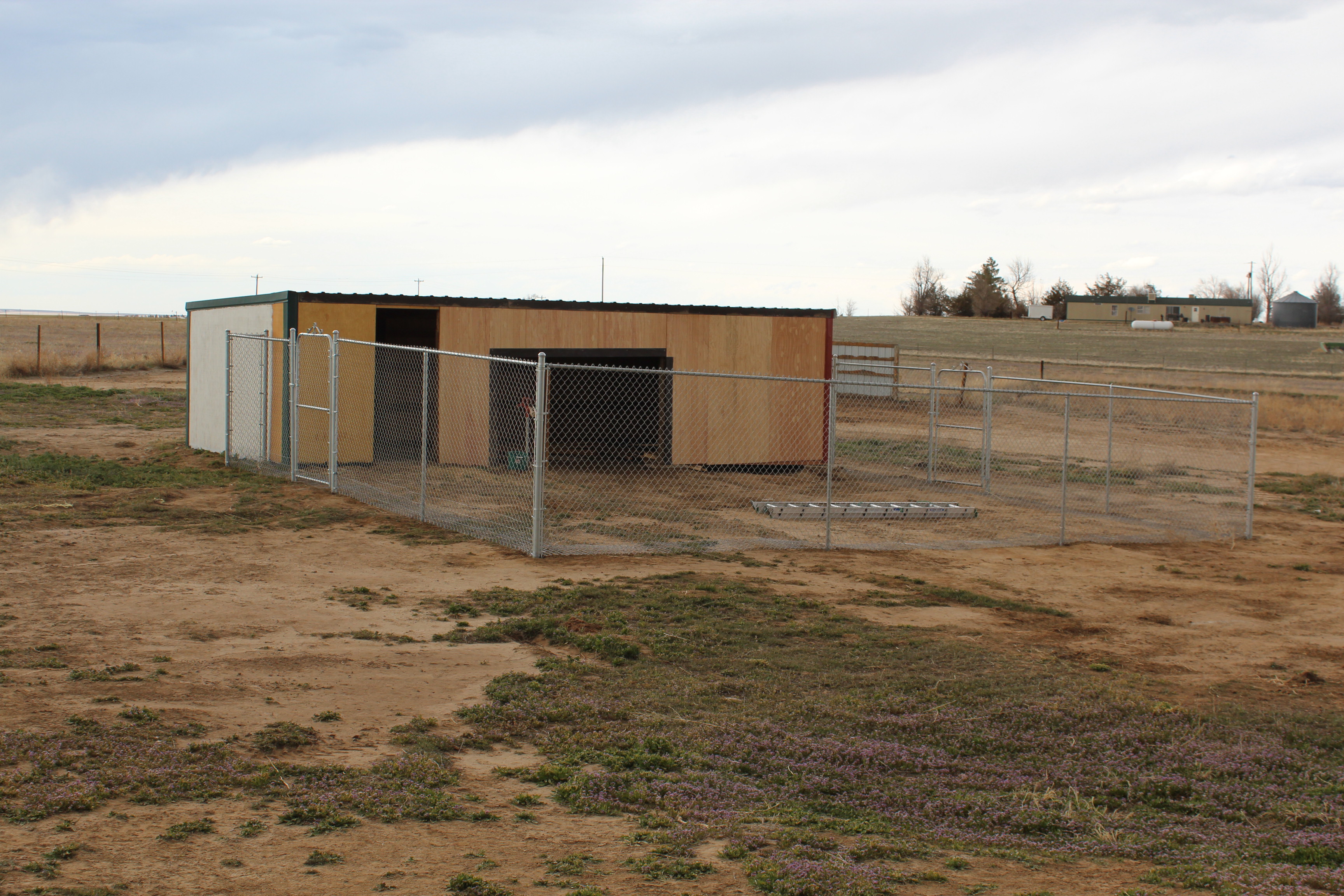
As of this writing, I have replaced the old horse chewed stringers and replaced the paneling all the way around.  Zina has finished the interior farmhouse painting and came out yesterday to help prime the plywood.  As you can see below we had a fencer come in and build a 25 x25 foot chain link fence for the chicken run.  If we really wanted to go all out it would be possible to house up to 100 chickens in this setup.  Considering how much bedding and feed that would take, don’t hold your breath – unless we find a lot of eager customers!

There are several tasks yet to complete.  The fence needs to be covered with hawk proof material, the entire perimeter needs to be made burrow proof to keep out the four legged hunters. The feeders, waterers, chicken doors, roosts and laying boxes need to be installed.  There will also be windows and screen vents for proper air circulation.  This will take some time but the pictures below show the stark contrast of what was and now what is.

Chicken coop face lift

Chicken coop face lift

Chicken coop

Chicken coop


We are anxious for the day that the construction comes to an end and the squawks, cooing and crowing replace the noises of the air-compressor and circular saw.


Gotta have one of these on a farm!

When we decided that buying our homestead was something we wanted to pursue, I told Zina, “I built the urban farm by hand.  I wheel barrow-ed all the top soil in and I man-handled all the landscaping stone needed to Xeriscape the front yard.  If we are going to do this and it is going to be on the scale that it has the potential for, then I must have some machinery to help out.”

Of course I didn’t want to have one of those ginormous tractors with the eight wheels that are 6 feet tall, pulling a huge disc, seeder or sprayer behind it, but a little putz around tractor to haul inconveniently shaped or heavy objects would sure be handy.

Wishes fulfilled.  A couple of weeks back the local dealership dropped off a compact John Deere tractor.  It was too late for one blizzard and just in time for another.  So far it has a front loader (already coming in handy) and a 4 foot wide rototiller to help with the garden.  On order is a middle buster and a 1 blade mold board plow (the gizmo you often see in pictures being pulled by a horse and a thread bare farmer sweating in the summer sun.).  The middle buster is a piece of steel with kind of a heart shaped blade on the bottom designed to “bust the middle” of a row in order to plant things like potatoes.  It can also be used to help harvest them.  All I can say is thank goodness for some forms of technology.  The farm was never intended to make us a family of luddites.  It is simply healthier, better for the soil, and for the environment to engage in locally grown food production.  Starting this whole production in our 50’s demands a certain amount of convenience.

Here she be:

IMG_2197 IMG_2222

Of course, you can see from the images that my son – the mechanical engineer wanna be who starts college in the fall, thinks all of the hydraulics and moving gizmos are just all that!  Who-da thunk you get a teenager to WANT to come and help out with farm chores?  Just give em a nifty toy to mess with and you’re good for at least a few days!

A few days after these photos were taken we got hit with a typical Colorado spring blizzard.  The drifting would have had us all but snowed in save for the new tractor.  Here is what Aaron did for two hours the next day:

IMG_2264 IMG_2265

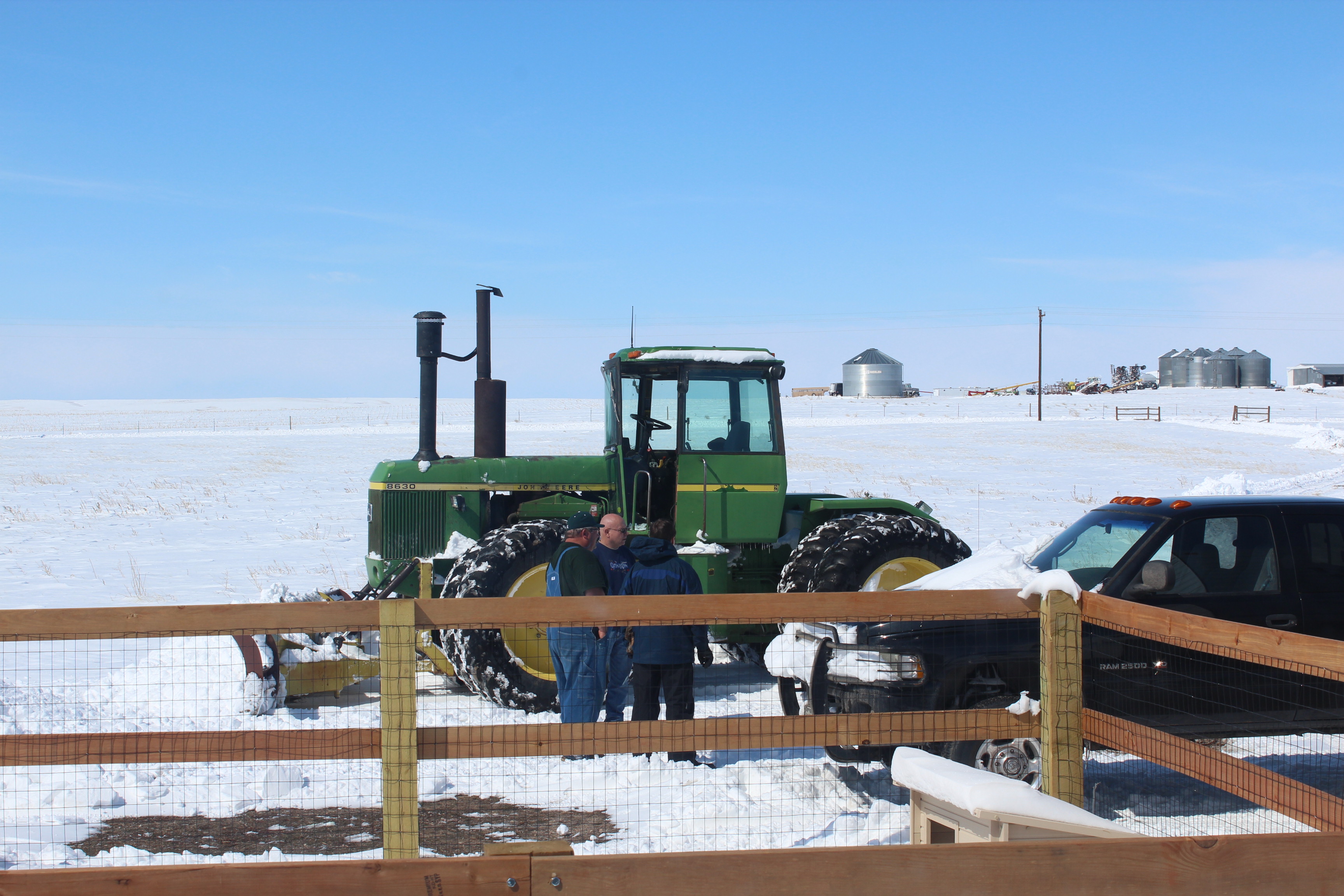
The humor in this story now begins.  While digging the family a trench out to the main road, our neighbor, whom we had never met, drove down to meet us……..in one of those very same ginormous tractors (I am six feet tall {the guy in the hat and overalls}) – you can get an idea of the size simply because the tires are almost as tall as me!.  He decided that it would be nice to come down and help out and finally meet the new neighbors.  He had a snow plow blade on the front that was as wide as my pickup is long.  Aaron was pointed away from the main road and didn’t see this beast bearing down on him.  When he did notice it was hilarious – it looked like a go cart being chased down by a semi!  We were wondering if we fed and watered our tractor if someday it might grow up to be like this one!  What had taken Aaron two hours, this guy did in a matter of a minute or two.

IMG_2266

It turns out that the farmer (Brad) is the one who has been leasing the back 30 acres of our property to farm it with wheat.  He wanted to come by and see if we would still be interested in doing that.  I told him as long as he doesn’t spray pesticides on it and because wheat isn’t genetically modified, we would be happy to have him do it.  In return I will get an enormous amount of straw that can be used for the chickens and for mulch and general composting.  He gets to sell the grain.  He said that right now he is working upwards of 5000 acres of land… none of which he owns.  The main method for non-landowners out here is simply to dry farm.  The ground gets tilled, the seed gets planted followed by lots of praying and hoping for sufficient moisture and then, around the 4th of July, comes wheat harvest.  Last year’s drought left us with 30 acres of unharvested, stunted wheat.  Considering that as I type this we are getting another 6 inches of snow, the moisture levels are quite a bit above last year…. but that’s not saying much.

The organic garden I am going to put in is around half an acre – Easily that if you take into consideration the seed corn and sunflowers I want to grow for the chickens.  It is HARD packed right now as it is where an old horse corral was.  Many hooves have pounded it down – but all of those horses have also made it the most fertile land on the farm.  Brad has volunteered, when he comes out to disc the back 30, to run the disc up through the garden as well!  Said he’d have it busted up and tilled in about 5 minutes.  Woohoo!  Gotta love other people’s machines!

So the JAZ Farm has a tractor and has networked to have access to some folks with much bigger toys to help get the big jobs done.