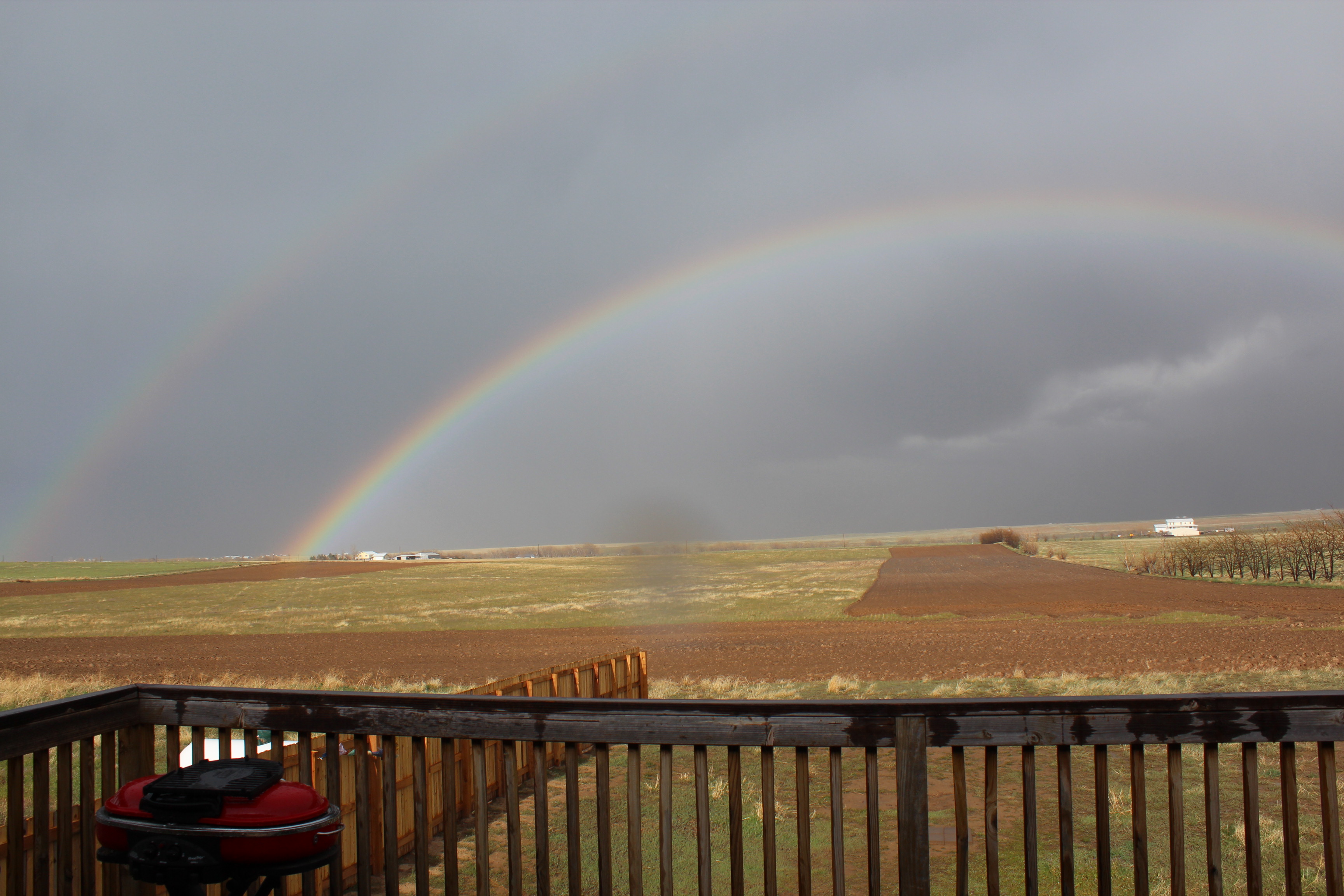
We just had a wicked front blow past us out here at the JAZ Farm – hail, thunder, lightning… the whole kit. On its way to terrorize Kansas it left us with a COMPLETE double rainbow. It even had the supernumerary band. While that doesn’t bode well for night observing (it is now muddy as all get out) the daytime astronomical event was nothing short of stunning.
Monthly Archives: May 2013
Coop Deville
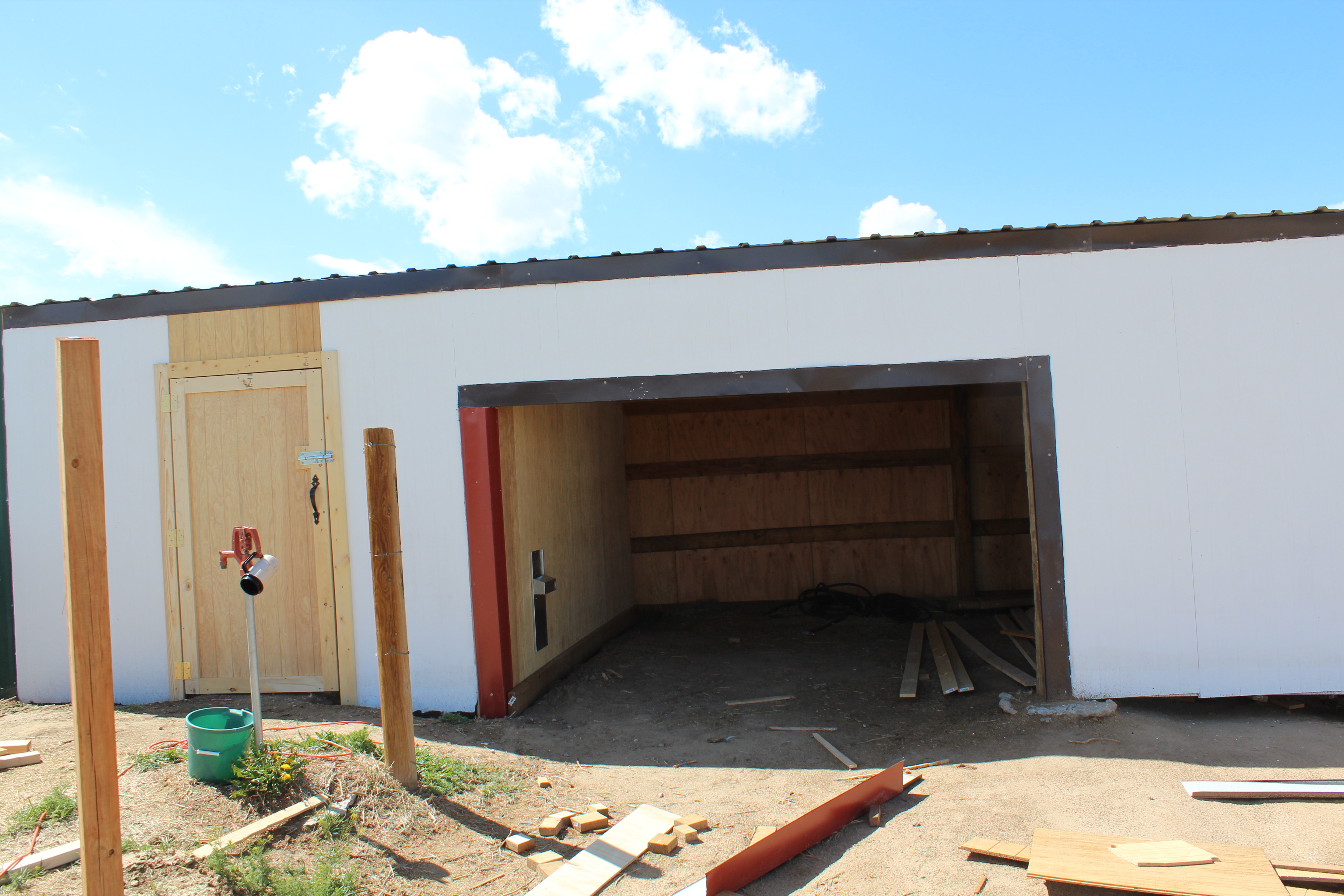
Finally got some good weather so out I went, tools in hand, to finally get the chicken coop building enclosed. I fixed one of my goofs, installed the automatic chicken door (it has a sensor that detects when the sun comes up and when it goes down which makes it open and close – very cool!) and built the new people door. That kind of thing is always fun when nothing is square. The bottom of the door jam is almost an inch wider than the top because of the pole barn posts I am contending with. Turned out pretty fair though. Now the “coop” stuff happens. Vents, windows, roosts, egg boxes, all the fun stuff. Oh ya, insulating it and putting up the inside walls. For all this work, these little ladies better appreciate their “Hilton”.
… and when you have a plow, then plow
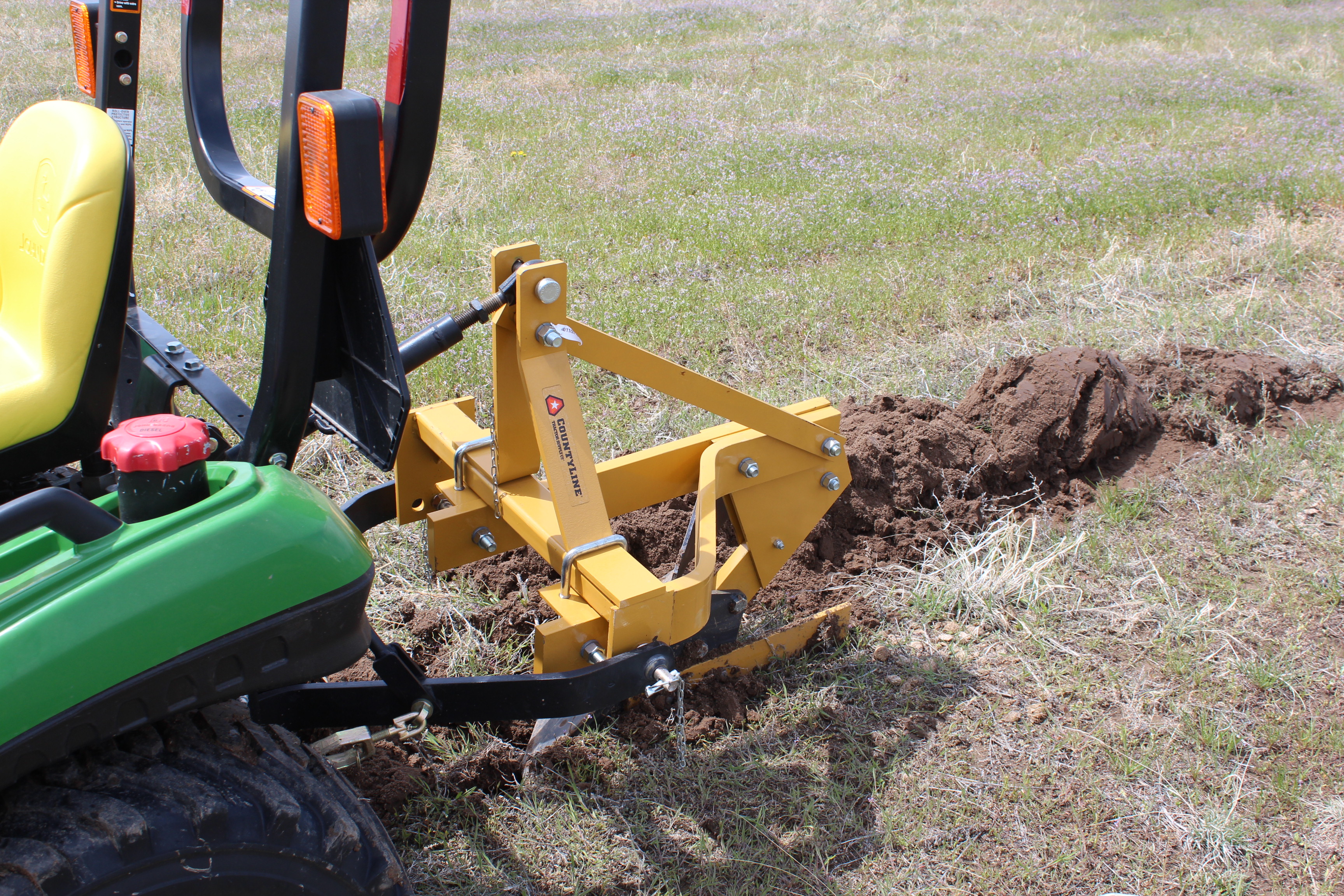
If you get a plow and you figure out how to hook it up and the weather is clear…. it only makes sense to plow! Turned over the horse corral that is going to be the organic garden (about a half an acre) in about an hour and a half. It was pretty wet as 7 years of horse manure holds onto moisture pretty well. Not bad though. Next up, the tiller to smooth it out and then in go the beans, corn and sunflowers! Woohoo!
YouTube Videos of Interest
Homesteading:
Peak Everything Issues:
http://peakmoment.tv/videos/living-with-the-predicament/
http://www.youtube.com/watch?v=pMgOTQ7D_lk
http://www.youtube.com/watch?v=rdO2Xh51Q-U
Big Ag, Genetic Engineering, CAFO’s:
http://www.youtube.com/watch?v=2mBF1OOPdTo
TED Talks:
The Joy of Interchangeable Parts
The Tractor Supply store FINALLY got my bottom plow in this week. I took Marvin the trailer up to Greeley to pick it up (Marvin is a utility trailer I use to haul my telescope around and it has Marvin the Martian characters on the sides – it always fetches a few stares).
I had verified online that it would fit a category 1 hitch but when I saw the thing I was very worried that I had made a terrible mistake. The blade is huge and I was thinking that my hitch wouldn’t be able to lift it high enough off of the ground to maneuver. This tractor has a “limited” category 1 hitch. I had to do some Googling to find out what that actually means. Indeed, it means that it won’t lift as high off of the ground as a standard category 1 hitch, so I guess I had reason to be worried – That and I’ve never had one of these beasties before so it is all sorta new.
I heave-hoed the plow out of Marvin without it landing on my toes. Then I stood there and stared…..”now what?” How does one hook one of these things up? It weighs 250 pounds, you don’t just (unless you are me) lift it up and put it into place. So after figuring out how to disconnect the roto-tiller from the tractor I backed the thing up and thats exactly what I did. Voila! It fit and it works!! I also figured out how to hook it up so next time it doesn’t cost me more vertebrae (before all the women jump all over this – NO it didn’t come with instructions – and yes, I do ask for directions when I am lost.)
I took it out onto the muddy front acreage (its been raining for 3 days) lowered it in and it sliced through the dirt like it was melted butter! What a great tool! I am very curious to look up some of the evolution of the blade design. It rolls the soil over in a similar shape as a wave cresting over that surfers ride. I can’t, however, imagine being out in the scorching heat and humidity trying to control an ox or a mule whilst trying to keep this thing going in the right direction. One has to stand in awe of how we have developed over the centuries and how some of our machines were invented. I am no Luddite. I think things like this are amazing. I just wish we, as the alleged most intelligent creature on the planet, would learn a bit more moderation. My plow is one blade. The guy leasing the back 30 from me has the same type of blade shape but there are a dozen of them and it is over 10 feet wide!
We decided this week that even though we are hoping to have the farm up and producing in the spring of 2014 that we ought to be trying as much as possible to get the soil up to snuff and start raising some crops for future chicken feed and litter. We decided to plant about a third of an acre of black bush beans, a 1/4 acre of sunflowers and another 1/4 acre of feed corn (non-GMO on all counts of course!) It will all be dry farmed as I don’t have the irrigation equipment out to it yet.
This was another milestone for us that created a contrast between our JAZ Urban Farm and the Homestead. At the urban farm I used to just order the traditional seed packets one sees at the nursery. This time, I ordered the bean and corn seed by the pound! After we till up the garden area we will be using push along seeders to plant so that we don’t spend our lives on hands and knees placing one seed at at time. Ours will be an “Earthway” seeder. It has a hopper where you place the seed and several plates that go into it that let seed through of specific size and places them the prescribed distance from one another. It digs the trench for the seed, deposits the seed and covers the seed with soil! Genius! Brilliant!
Legumes (beans) fix nitrogen in the soil through their roots. When they have run their course and dried, we will harvest the beans and then turn them over into the soil. Once tilled in then we are going to plant clover over the whole area to be tilled in in the spring. These “green” manures should help build some tilth and get some nitrogen into the ground.
The sunflowers and corn will provide us with some chicken feed in addition to the store bought stuff. The stalks can then all be run through our chipper to make litter. That litter will eventually end up as compost, thus completing the nutrient cycle. As we are also hoping to keep a few bee colonies, these will also give the bees something to feed from. In addition, we are going to cover up some pretty harsh areas on the property with a multitude of water efficient Russian Sage plants. Those things are bee magnets!
So even though there was snow at the Eisenhower Tunnel yesterday (11,000 ft) it appears that the Front Range of Colorado is finally done with snow for awhile!
HAPPY SPRING!!!
Here is the latest evolution:
This Isn’t Our First Rodeo
The JAZ Farm homestead isn’t our first trip to the homesteading trough. Coming from a family that was gardening before Urban Farming was even a term, and having roots in the world of Iowa cornfields back when farms were still farms, not the mono-culture, CAFO, ethanol producing factories they are now, it was inevitable that this kind of life blossom. One of my very best friends, who I hadn’t spoken with in a decade, mentioned when we got caught up, “you know this isn’t too much of a surprise, if I remember right your mother had something of an organic operation going in her backyard while we were growing up”. I was surprised that he remembered that but yes its true. Other than her teaching music lessons, one of my vivid memories of my mother was seeing her bent over in her garden. Zina’s father was an Italian farmer in Sicily and he too has always had a garden in his backyard. In fact, one of his first jobs in America was working for a grocer.
So with that background, and as I (Jon) learned more about Peak issues, the disastrous state of our food supply, and the deteriorating water conditions in Colorado because of climate change, we began the transformation to a more sustainable way of life.
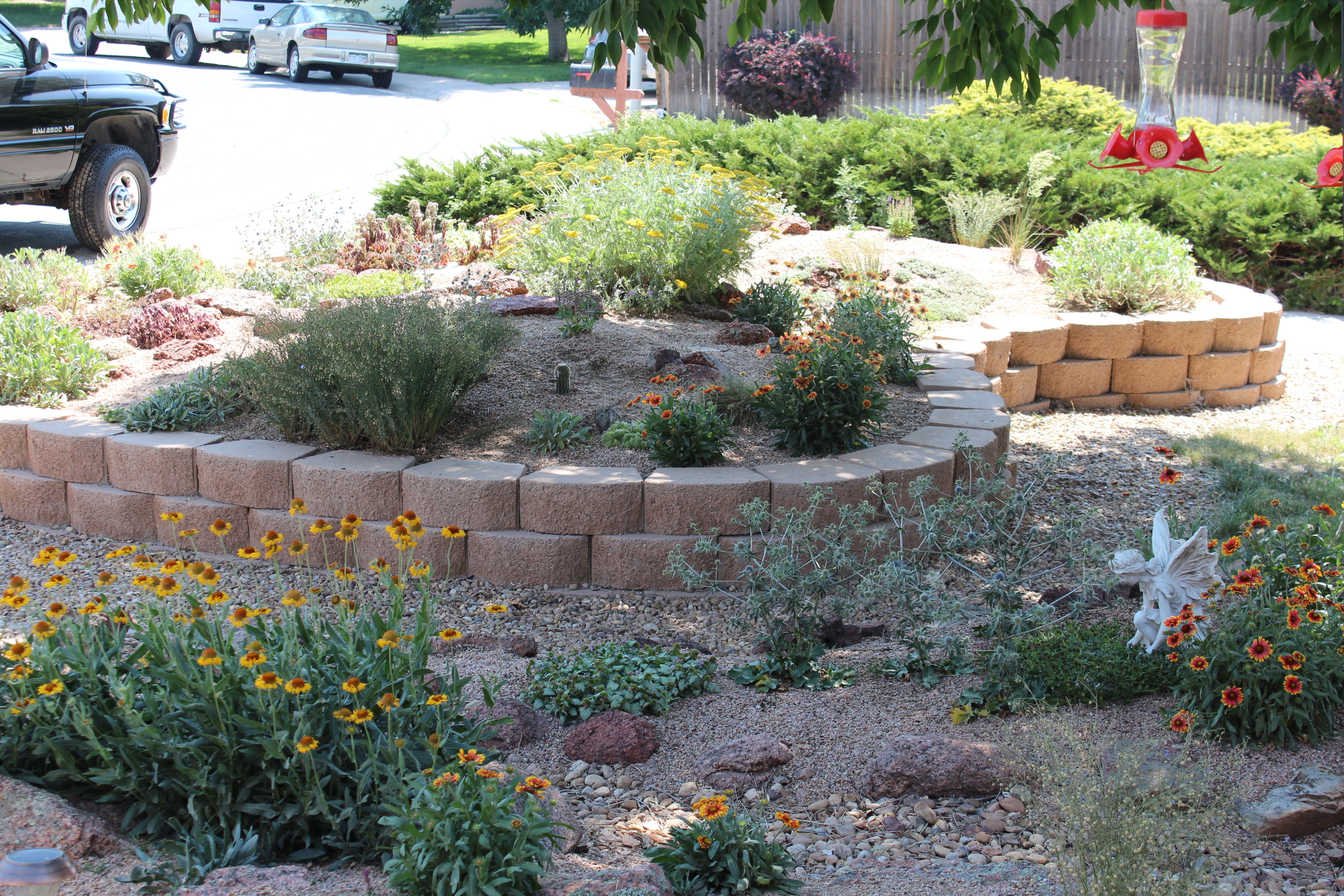
When we bought our suburban home, it had the world’s ugliest front yard. It was poorly cared for and pavement quality clay made up most of the available yard. We didn’t want to add anything like traditional Kentucky Bluegrass seed (grass in an arid climate is the height of stupidity) so we delved into the world of Xeric landscaping. The front yard was transformed into paths of flagstone, granite lined water efficient plant beds, Russian Sage, and a growing bed made of landscaping stones. We hauled in thousands of pounds of stone, gravel, rocks, topsoil, and plants we had never used before…. we jumped in head first.
Here is the end result:
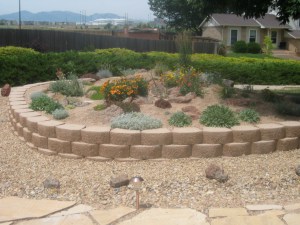
This has been Zina’s playground for several years and she has become the resident expert on Xeric growing.
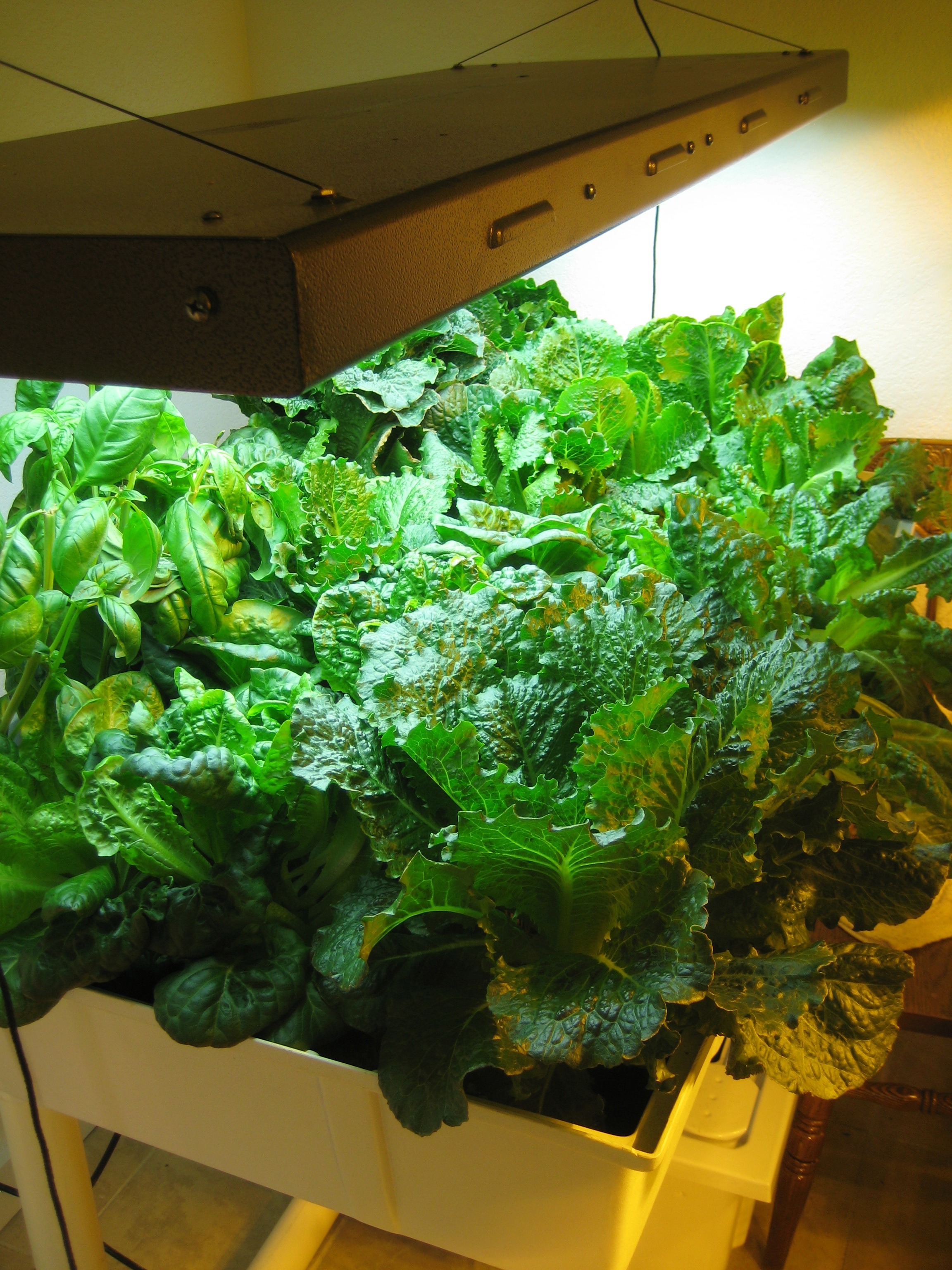
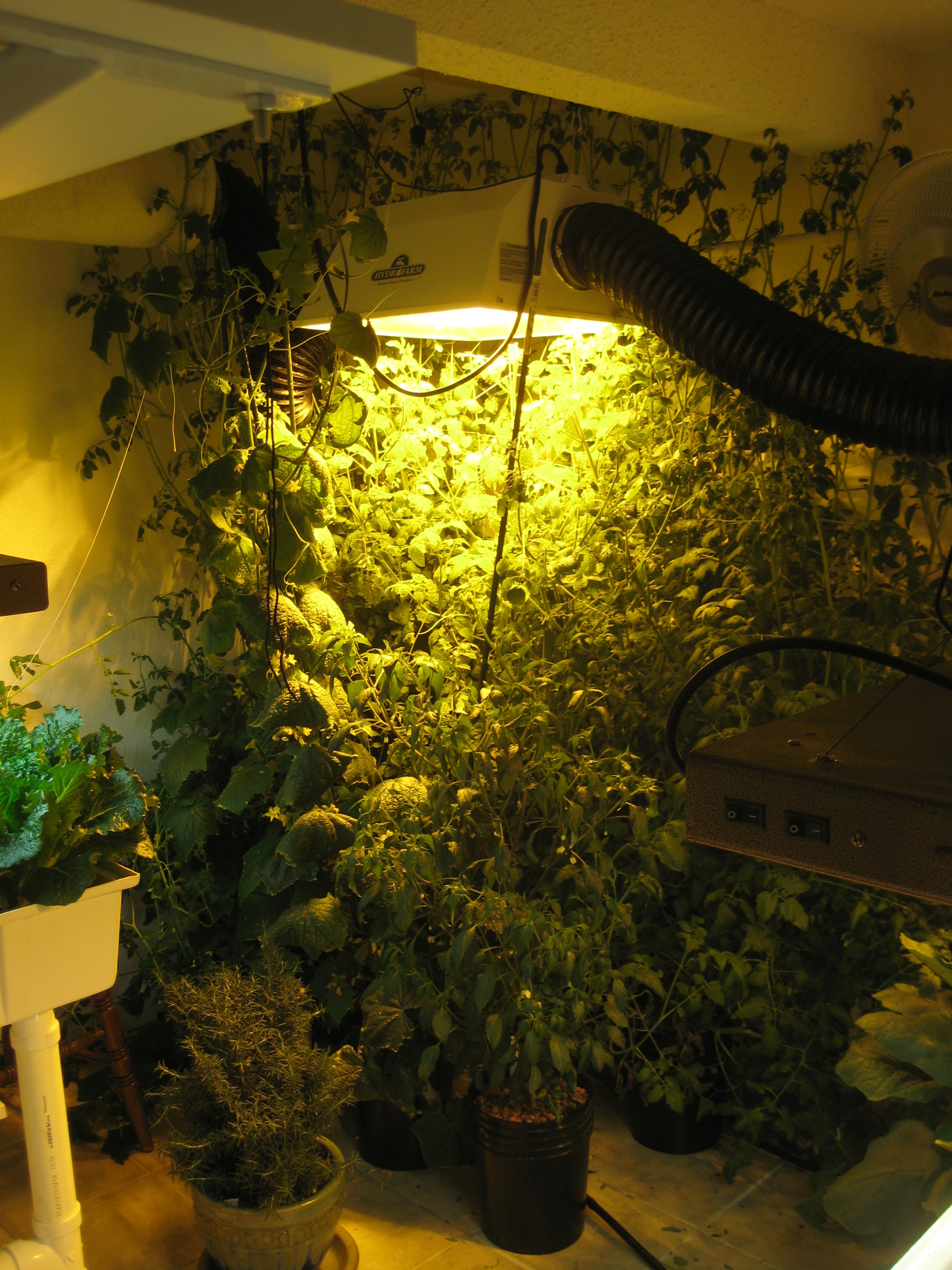
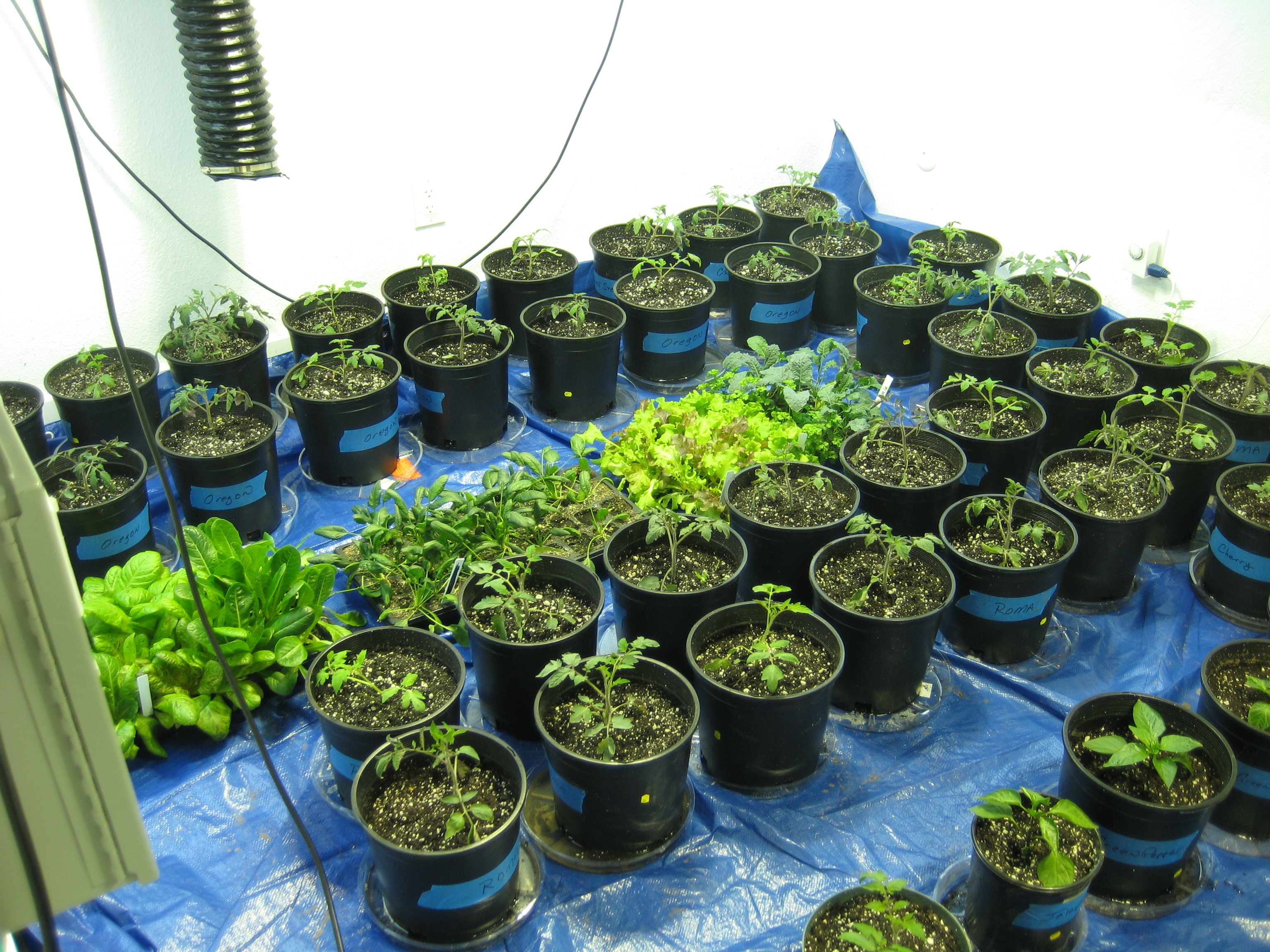
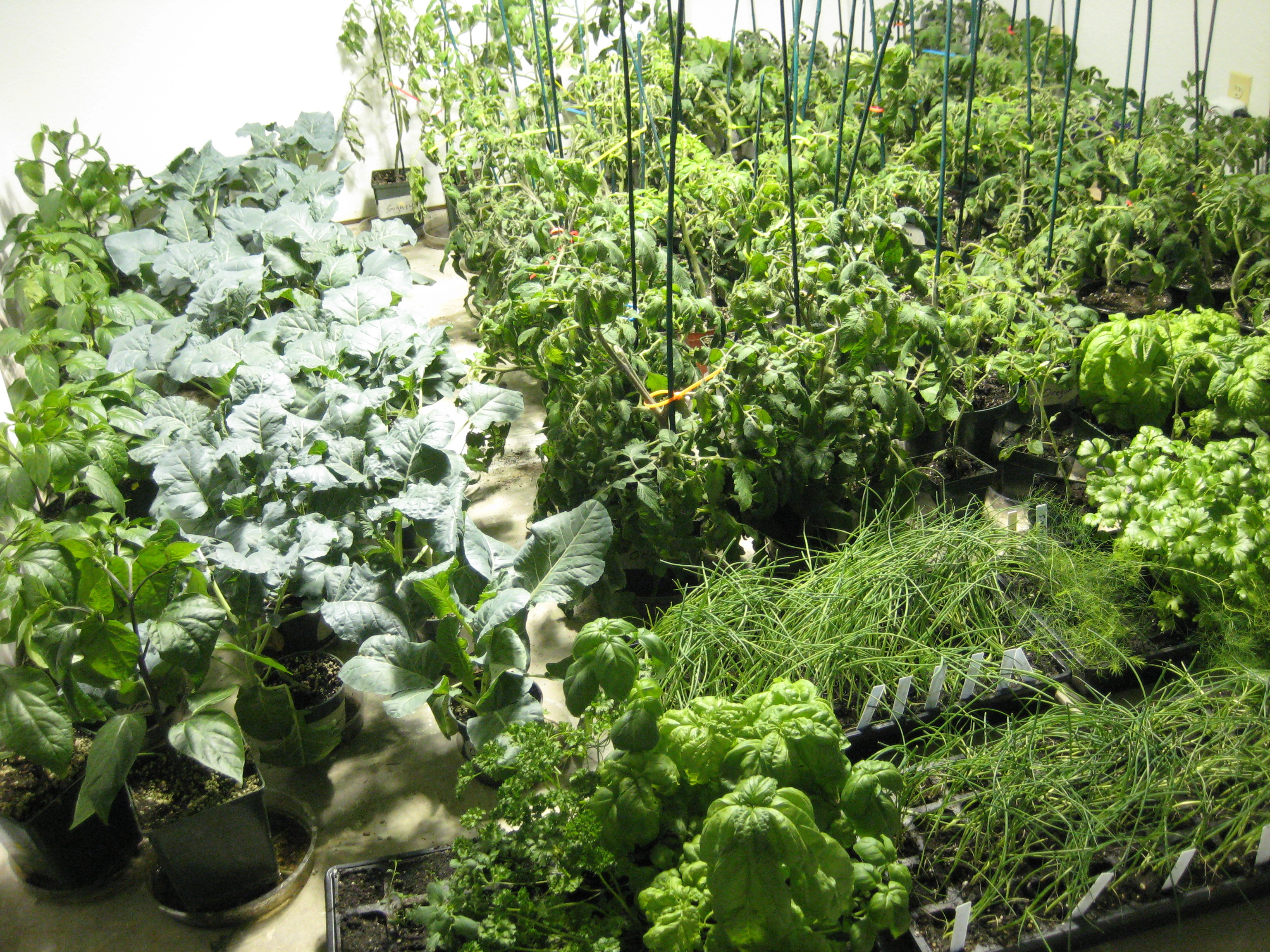
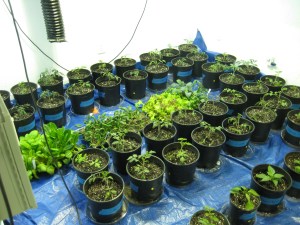
Now that the front yard required very little water, the next evolution was working to find a way to start growing food in an urban setting. I experimented with outdoor hydroponics with less than stellar results, so I moved it indoors. I built a grow room in a spare room in our basement. Of course, when one looks for information about this type of production, the internet gives you every manner of how to grow marijuana! I really do grow lettuce and tomatoes down there! In a 9×12 room I was able to grow all of our greens year round. I also grew tomatoes, peppers, eggplant, and cucumbers throughout the winter. Here is a sample:
There were 3 drawbacks:
1. It is very limited quarters and the tomatoes, as you can see, get HUGE!
2. If you get insects it can be very difficult to get rid of them. We had a serious issue with Whiteflies. While they stayed confined to the grow room they were an infuriating nuisance.
3. As it requires supplemental lighting, it is NOT energy efficient. I have 3000 watts of lights on timers. The big Halide lamps use enormous amounts of electricity.
To get around the energy issue and in keeping with a desire to be more sustainable we contracted with Solar City to put solar panels on the house. As we didn’t have room in the backyard for a greenhouse of sufficient size, this was a way to take the sun, turn it into electricity and use it to power the grow lamps. To date we have had almost no electric bill.
In the late winter, the hydroponic system would get shut down and converted into a room to start seedlings for the urban farm. After getting a taste of the produce just from a small hydroponic operation, I had a burning desire to have it on a grander scale. We wanted to see just how much our yard could produce.
Enter JAZ Urban Farm:
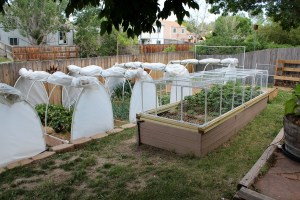
The back yard had no access to vehicles so everything needed to be brought in and built by hand. 30 yards of topsoil and all of the materials for the hoop covers were all brought in by wagon. My pick-up got quite a workout … and so did I.
JAZ Urban Farm:
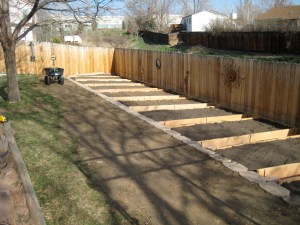
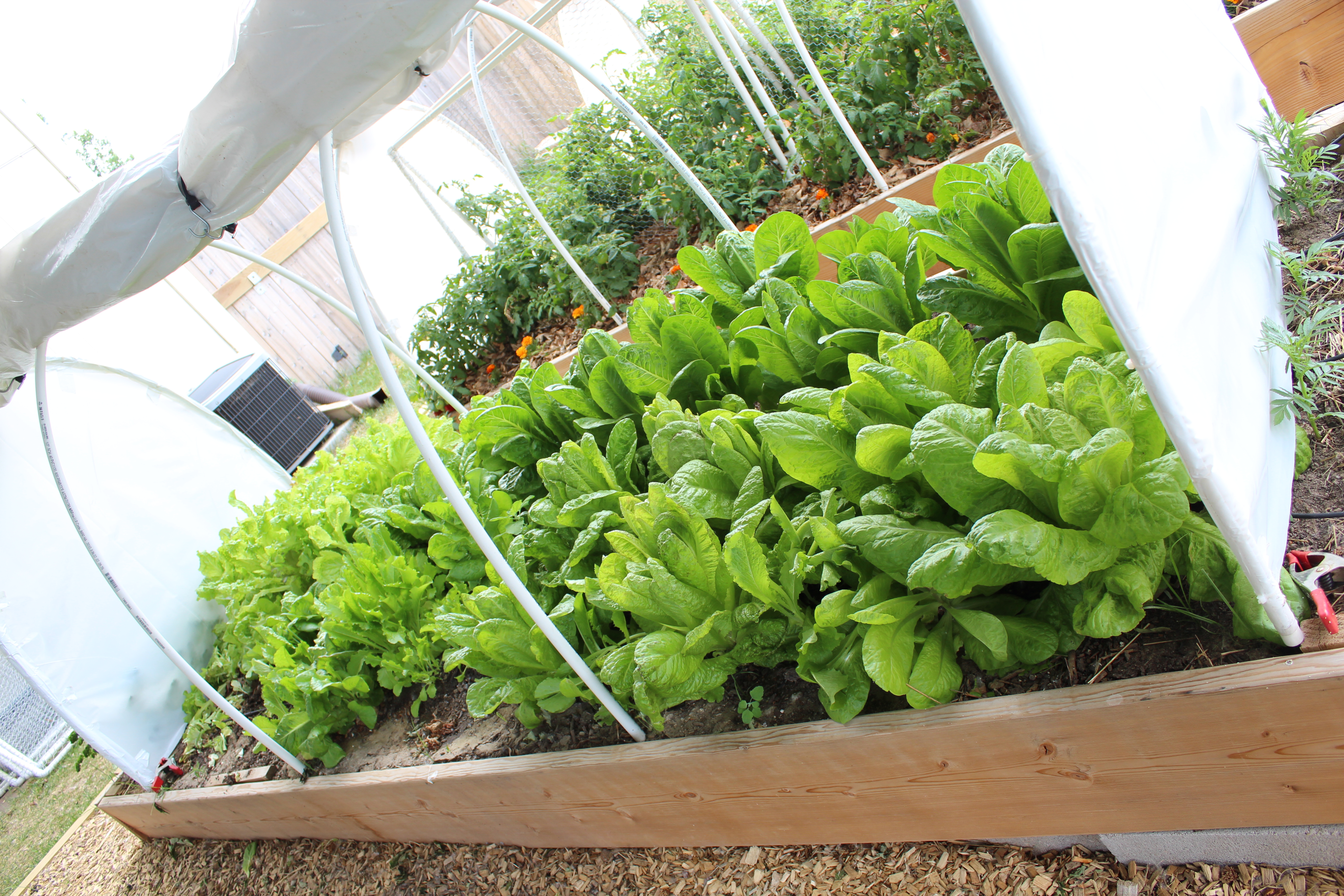
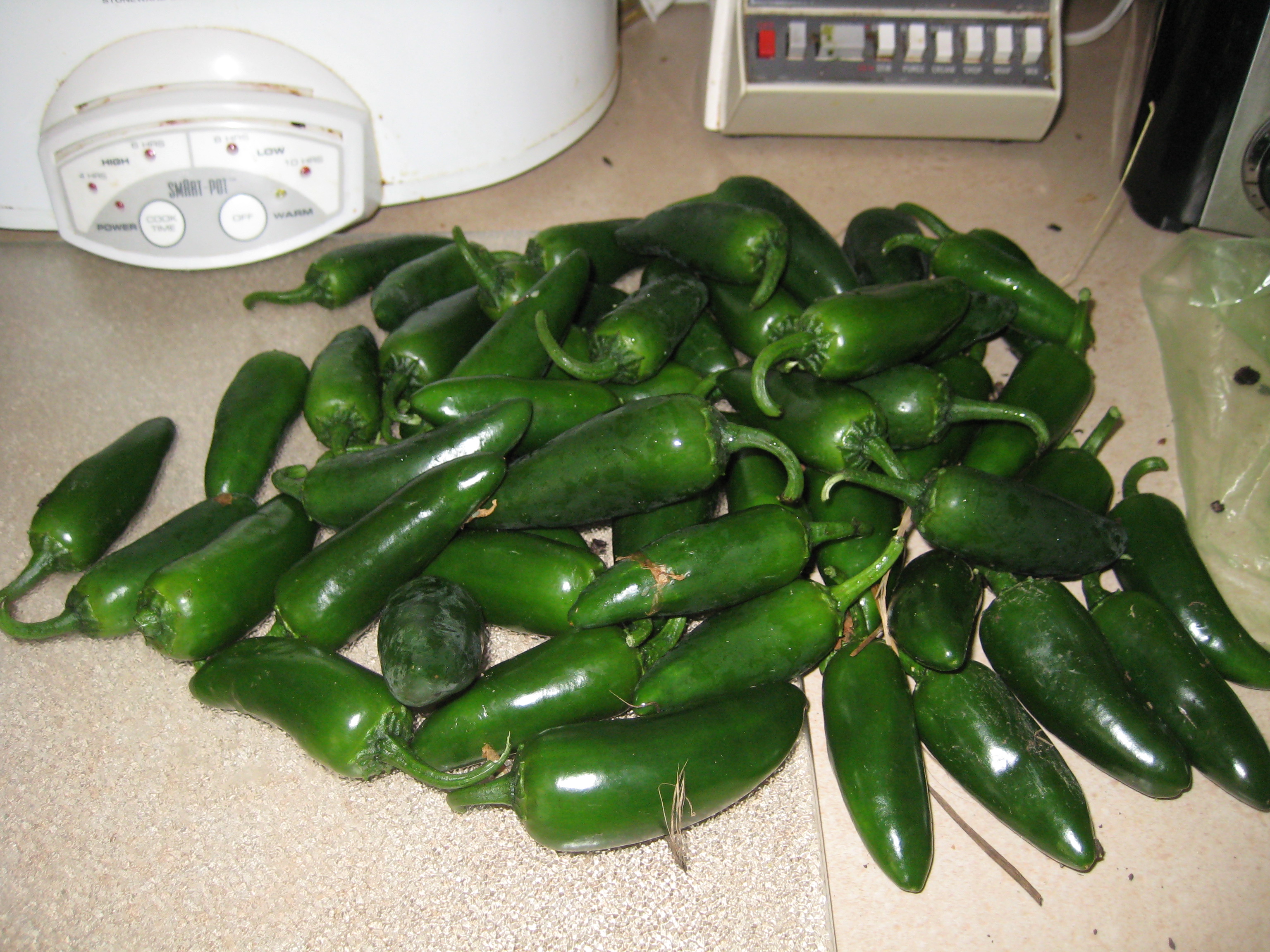
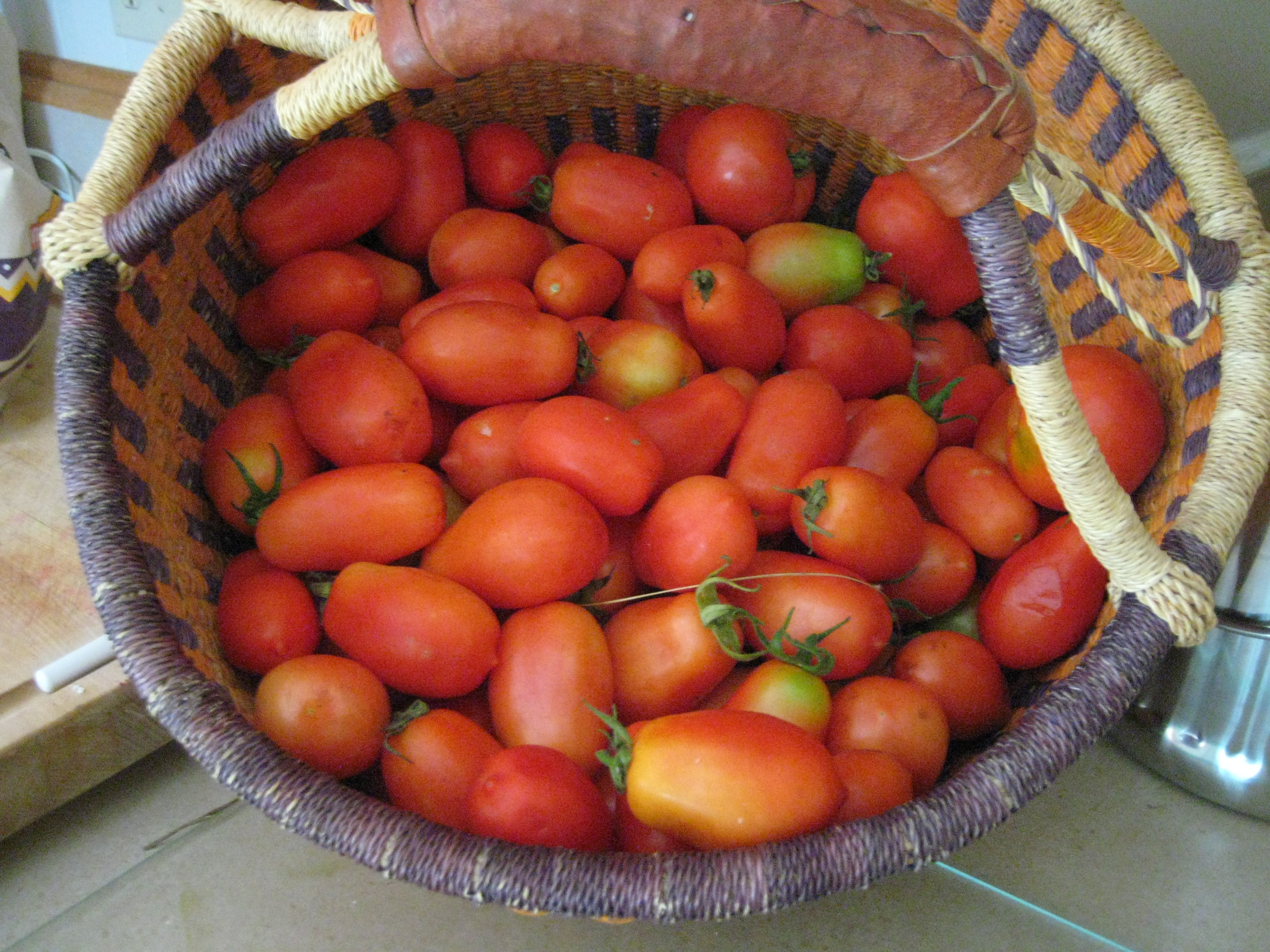
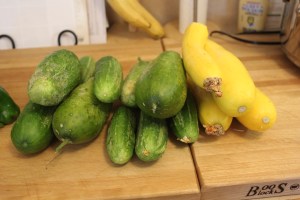
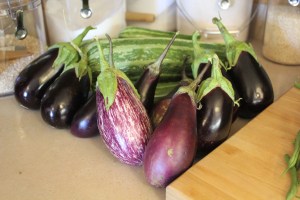
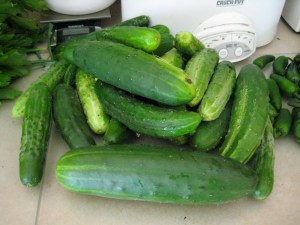
This has been an amazing success. The hoop covers add close to a month on each end of the grow season. By starting the tomatoes and peppers, indoors the first week of March, they can be set out in the covered hoops, usually, the first week of May. We have harvested hundreds of pounds of produce and by learning to freeze, can, and dehydrate much of what we produce lasts just about through the winter. We have guessed that we grow all of our produce in the summer, and have most of our dinner ingredients available in the pantry. We have canned, frozen, and dehydrated onions, tomatoes, beans, peppers, Kale, celery, eggplant, Zucchini, and cucumbers (pickles) and we grow all of the garlic and most of the herbs we need. Not bad for a 70 X 25 foot plot. We have 25 raised beds. Even with the work out at the JAZ Farm homestead we currently have the grow room filled with plants once again and are waiting for the snow to stop for the season (it is May 1st and snowing). Perhaps when Grandma comes out at the end of the month she’ll want to get her hands dirty and help plant (hint!)
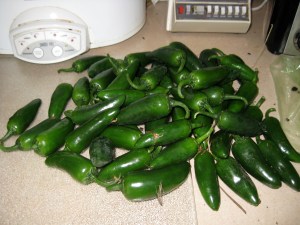
The JAZ Farm homestead evolved out of all of this. Evidently we have the gardening and sustainability bug. It is all wonderful therapy – Especially in a country that seems to think that food comes from a drive through or is wrapped in cellophane.