OMG This Garden Is Going To Be HUGE!

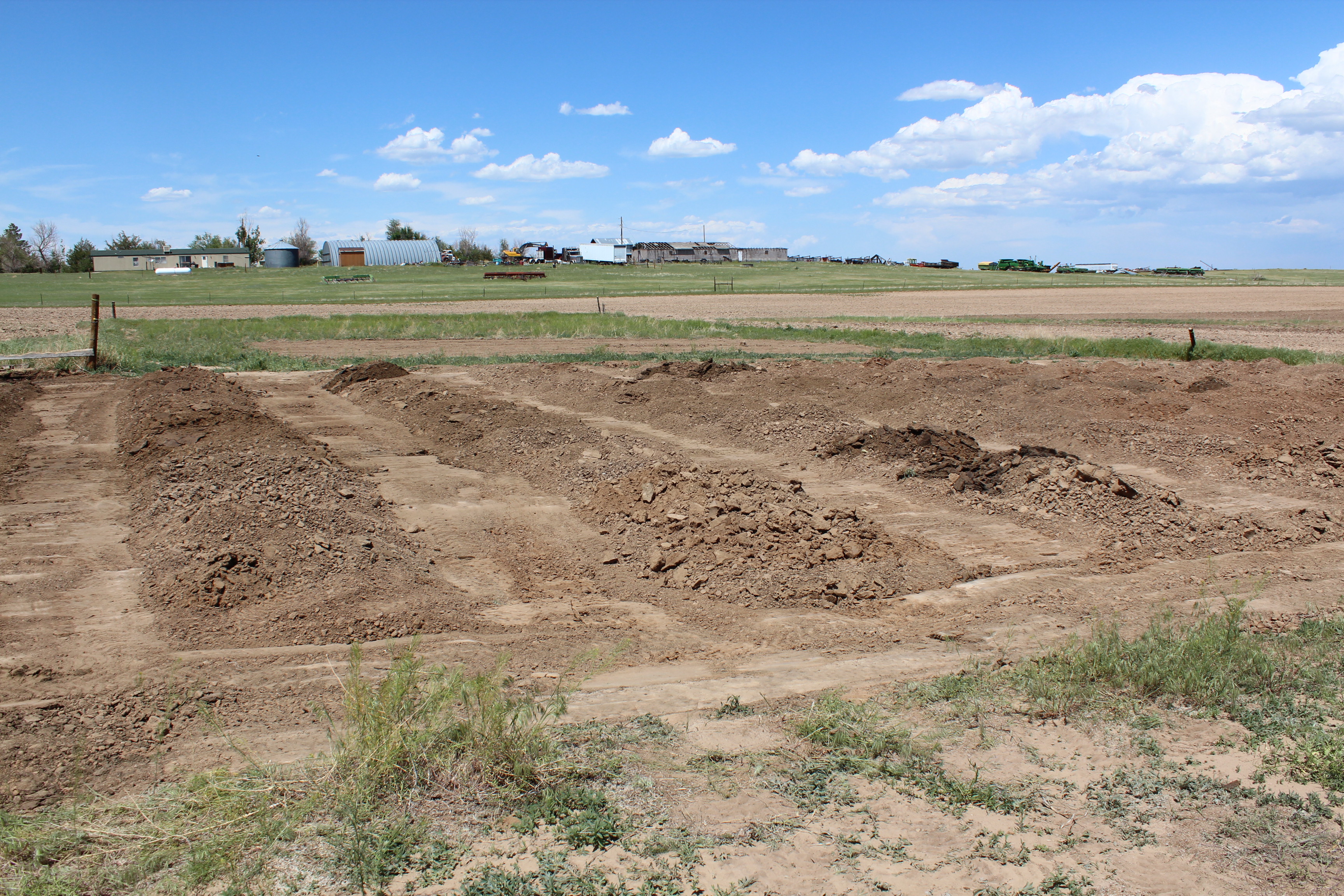
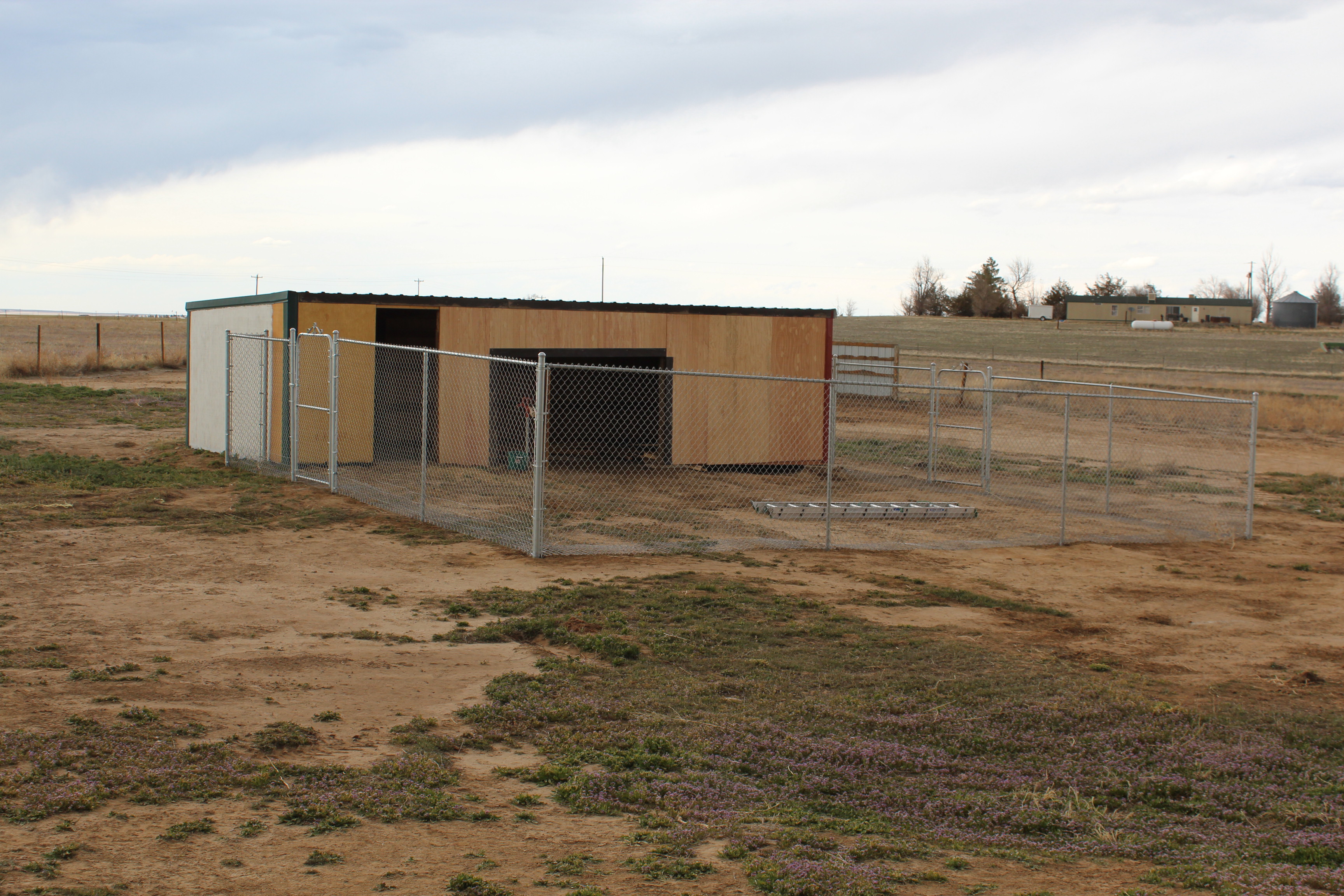
The biggest project of the past couple of weeks has been to start turning the old horse corral into a series of raised beds that will be come the cornerstone of the JAZ Farm sustainability food project.  After plowing up the soil (which had been pounded flat over the years by horse hooves) Farmer Jon and the tractor plowed up the ground and then tilled it into a much finer mixture.  We chose the horse corral because it had some fence posts already in, and it had been fertilized by those same horses.

The beds are all approximately a tractor width wide and the walkway in between them is also about the same.  It is wide enough to get a tractor down and a small flat bed trailer, for easy access to the plants.  We dug up the dirt in the pathways and dumped them into the raised beds.  So far we have 14 beds, 4 – 5 feet wide and averaging 35 feet long.  This is about 2/3 done.  We estimate it will be 20 beds all of similar size.  There is also the ability to lengthen them and/or add more should we think it necessary (haha!)

This is a huge project!  While we want to be able to be as food sufficient as possible, this is likely way more than we need.  Perhaps we will be able to sell some and also donate to food banks.  Only when we got out there and started making the thing did we realize just how big half an acre really is (and I was originally thinking of starting with a full acre!)!

My big concern, considering that we want it to be chemical free, is how to come up with the volume of compost that will be necessary to build the soil.  There is manure left from the previous owners, but that will run out very quickly.  Something else to ponder on our way to getting this big adventure up and running!

IMG_2512 IMG_2511

The Agrarian Hippie Crew

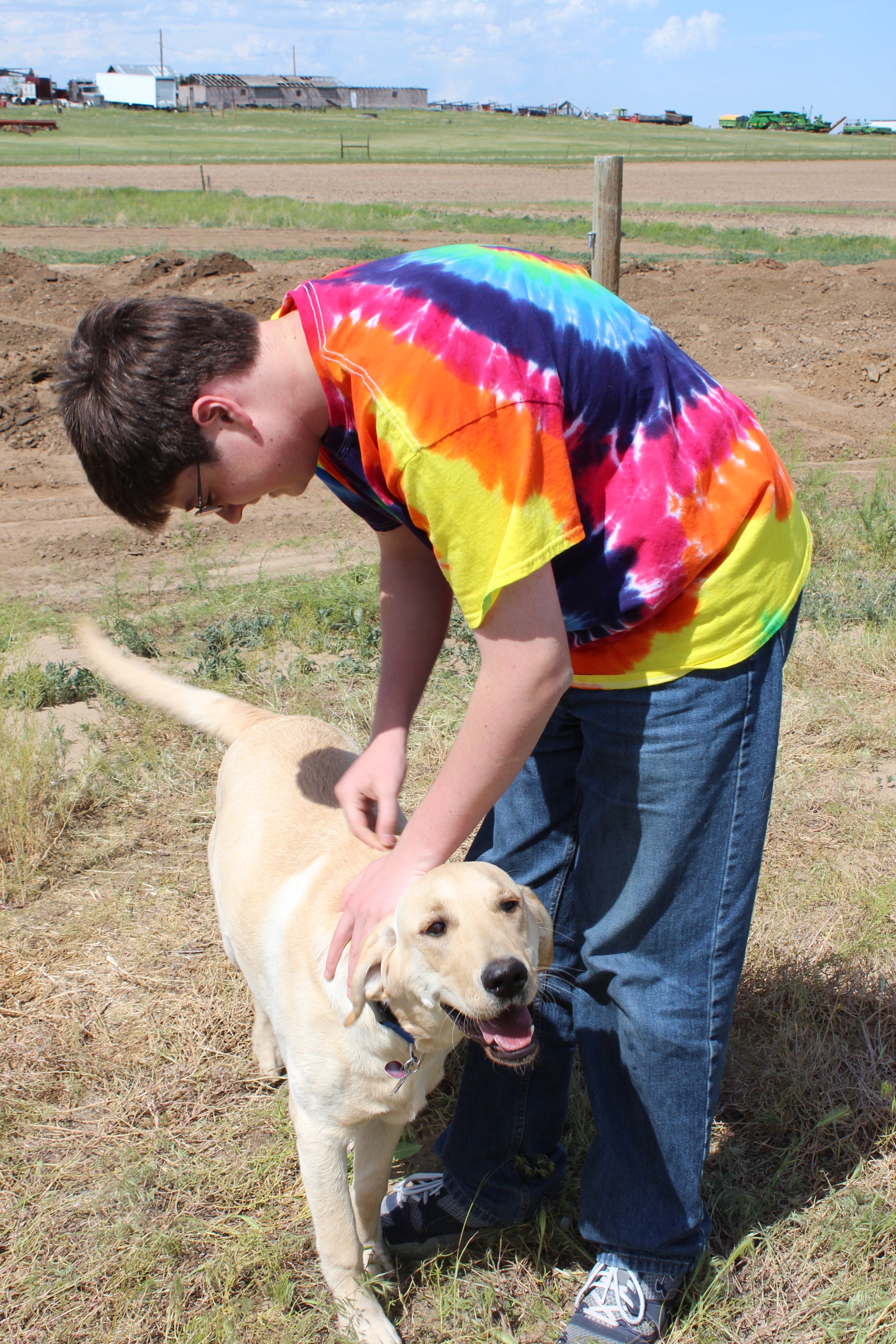
At long last, with grandma visiting, we had someone to snap a photo or two of the hippie clan!  Zina, in keeping with the spirit of the organic agrarian hippie basis for JAZ Farm, got us some very busy tie-die shirts.  Basil the dog even sat still long enough to be a part of it!  Happy Spring!

Thanks to the efforts of Jon Zina and Grandma we even have the entire 24 raised bed garden at the urban farm planted!  Looking forward to eating and canning the produce who’s distance to plate is less than 25 yards!

IMG_2532 IMG_2522

Memorial Day Chicken Coop Update

Well we made it through graduation!  It seems just like yesterday that I was carting him around in a car seat and rocking him to sleep.  What a long strange trip it is to raise another human being.  Now its up to him.  College is on the horizon and his adventures and dreams await.  Mom and Dad are very proud.

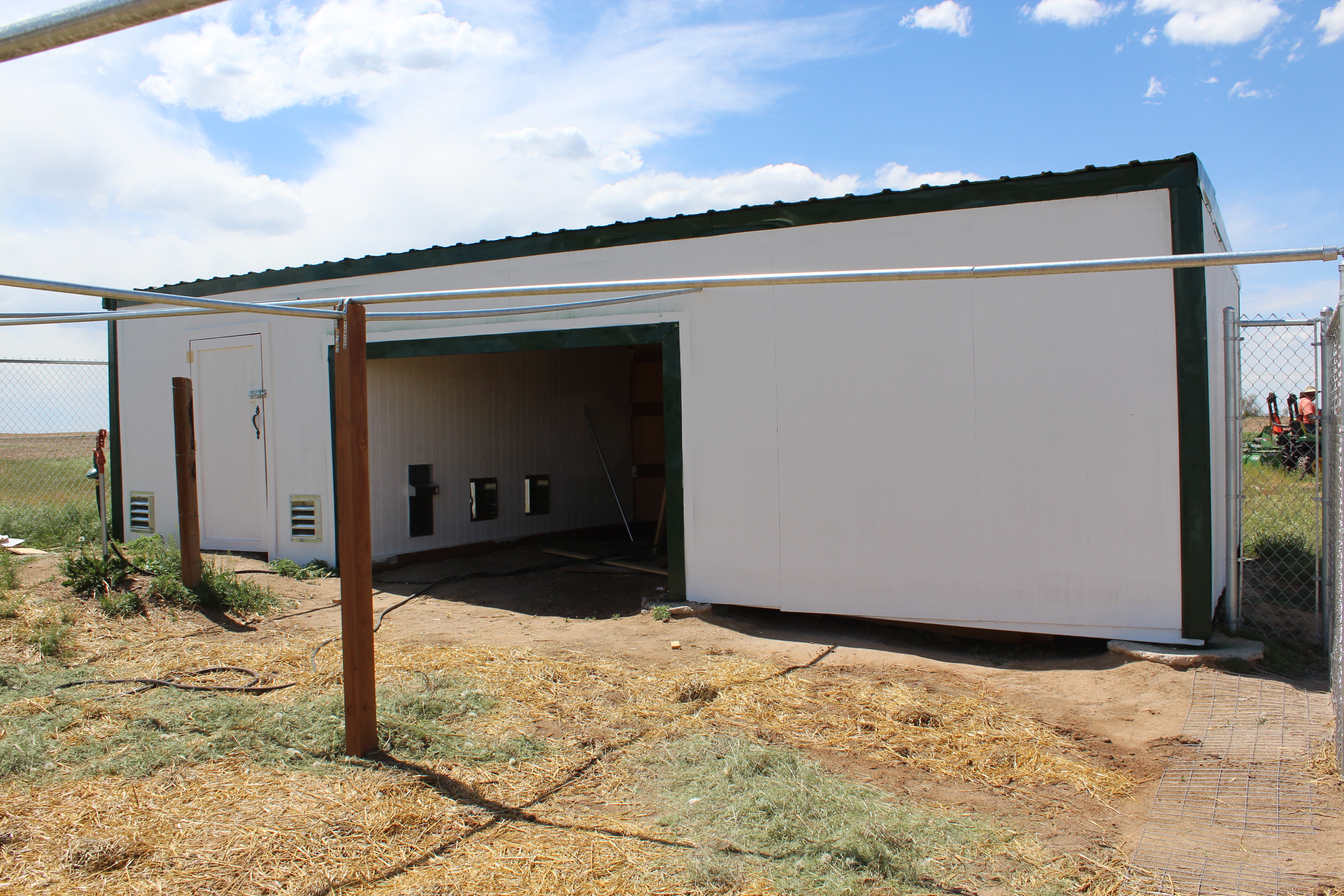
After the graduation events we went back out to the farm.  Grandma was out visiting and was eager to see the progress and to help.  We set her to work on spray painting the trim on the coop.  The aluminum edging didn’t lend itself to hand painting as it would be streaked, so a few cans of Hunter Green spray paint, some edging tape and it was good to go.

I got the first of the vents put in as well.  An article I read said that it is important to have some ventilation lower to the floor so that ammonia produced in the litter can be filtered out.  As chickens are prone to respiratory problems this seemed like a good idea.

The overhead tubing attached to the wooden posts is a “tic-tac-toe” frame that will be used to hold up chicken wire.  It will cover the entire run to protect against falcons, eagles, and owls.  Because of all the potential predators this all has to be something of a fortress.  One step at a time.  We are very pleased with the progress.

Next up…. windows.

IMG_2507 IMG_2514

… and when you have a plow, then plow

Horse Corral turned vegetable garden

Horse Corral turned vegetable garden


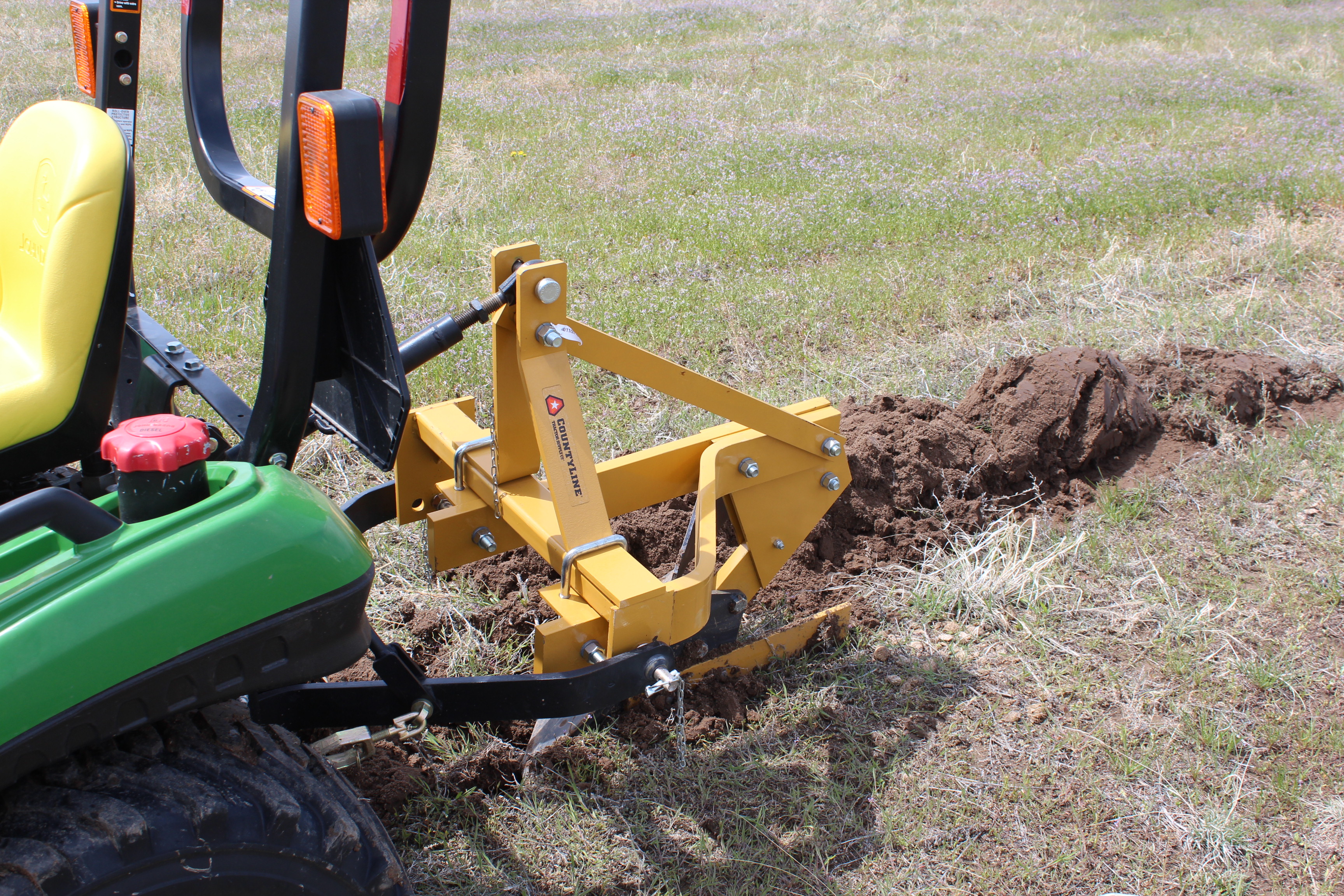
If you get a plow and you figure out how to hook it up and the weather is clear…. it only makes sense to plow!  Turned over the horse corral that is going to be the organic garden (about a half an acre) in about an hour and a half.  It was pretty wet as 7 years of horse manure holds onto moisture pretty well.  Not bad though.  Next up, the tiller to smooth it out and then in go the beans, corn and sunflowers!  Woohoo!

The Joy of Interchangeable Parts

The Tractor Supply store FINALLY got my bottom plow in this week.  I took Marvin the trailer up to Greeley to pick it up (Marvin is a utility trailer I use to haul my telescope around and it has Marvin the Martian characters on the sides – it always fetches a few stares).

I had verified online that it would fit a category 1 hitch but when I saw the thing I was very worried that I had made a terrible mistake.  The blade is huge and I was thinking that my hitch wouldn’t be able to lift it high enough off of the ground to maneuver.  This tractor has a “limited” category 1 hitch.  I had to do some Googling to find out what that actually means.  Indeed, it means that it won’t lift as high off of the ground as a standard category 1 hitch, so I guess I had reason to be worried – That and I’ve never had one of these beasties before so it is all sorta new.

I heave-hoed the plow out of Marvin without it landing on my toes.  Then I stood there and stared…..”now what?”  How does one hook one of these things up?  It weighs 250 pounds, you don’t just (unless you are me) lift it up and put it into place.  So after figuring out how to disconnect the roto-tiller from the tractor I backed the thing up and thats exactly what I did.  Voila! It fit and it works!!  I also figured out how to hook it up so next time it doesn’t cost me more vertebrae (before all the women jump all over this – NO it didn’t come with instructions – and yes, I do ask for directions when I am lost.)

I took it out onto the muddy front acreage (its been raining for 3 days) lowered it in and it sliced through the dirt like it was melted butter!  What a great tool!  I am very curious to look up some of the evolution of the blade design.  It rolls the soil over in a similar shape as a wave cresting over that surfers ride.  I can’t, however, imagine being out in the scorching heat and humidity trying to control an ox or a mule whilst trying to keep this thing going in the right direction.  One has to stand in awe of how we have developed over the centuries and how some of our machines were invented.  I am no Luddite.  I think things like this are amazing.  I just wish we, as the alleged most intelligent creature on the planet, would learn a bit more moderation.  My plow is one blade.  The guy leasing the back 30 from me has the same type of blade shape but there are a dozen of them and it is over 10 feet wide!

We decided this week that even though we are hoping to have the farm up and producing in the spring of 2014 that we ought to be trying as much as possible to get the soil up to snuff and start raising some crops for future chicken feed and litter.   We decided to plant about a third of an acre of black bush beans, a 1/4 acre of sunflowers and another 1/4 acre of feed corn (non-GMO on all counts of course!)  It will all be dry farmed as I don’t have the irrigation equipment out to it yet.

This was another milestone  for us that created a contrast between our JAZ Urban Farm and the Homestead.  At the urban farm I used to just order the traditional seed packets one sees at the nursery.  This time, I ordered the bean and corn seed by the pound!  After we till up the garden area we will be using push along seeders to plant so that we don’t spend our lives on hands and knees placing one seed at at time.  Ours will be an “Earthway” seeder.  It has a hopper where you place the seed and several plates that go into it that let seed through of specific size and places them the prescribed distance from one another.  It digs the trench for the seed, deposits the seed and covers the seed with soil!  Genius!  Brilliant!

Legumes (beans) fix nitrogen in the soil through their roots.  When they have run their course and dried, we will harvest the beans and then turn them over into the soil.  Once tilled in then we are going to plant clover over the whole area to be tilled in in the spring.  These “green” manures should help build some tilth and get some nitrogen into the ground.

The sunflowers and corn will provide us with some chicken feed in addition to the store bought stuff.  The stalks can then all be run through our chipper to make litter.  That litter will eventually end up as compost, thus completing the nutrient cycle.  As we are also hoping to keep a few bee colonies, these will also give the bees something to feed from.  In addition, we are going to cover up some pretty harsh areas on the property with a multitude of water efficient Russian Sage plants.  Those things are bee magnets!

So even though there was snow at the Eisenhower Tunnel yesterday (11,000 ft) it appears that the Front Range of Colorado is finally done with snow for awhile!

HAPPY SPRING!!!

Here is the latest evolution:

IMG_2415 IMG_2413 IMG_2411

The BIG Tractors started rollin’

IMG_2367 IMG_2366 IMG_2365 IMG_2360


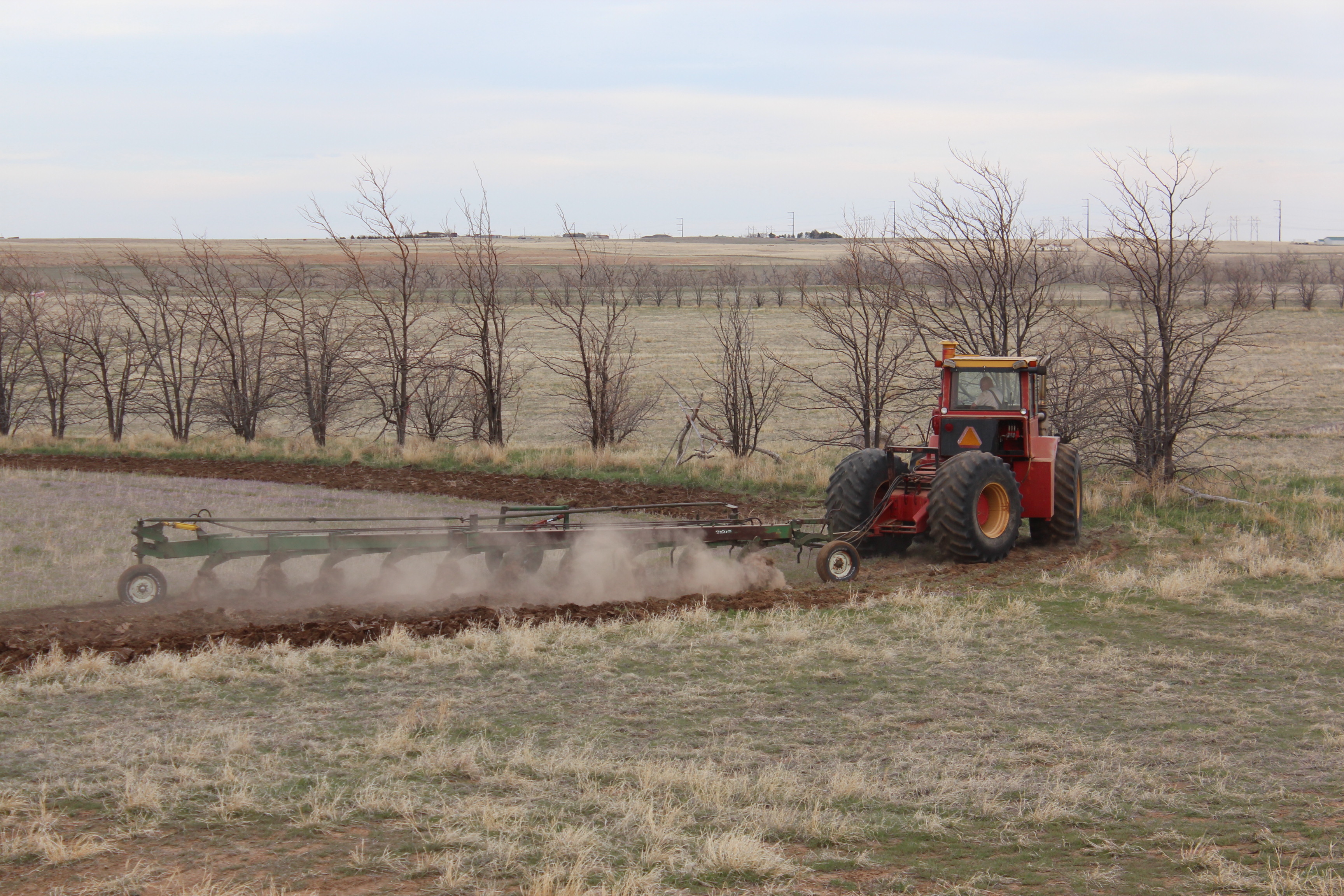
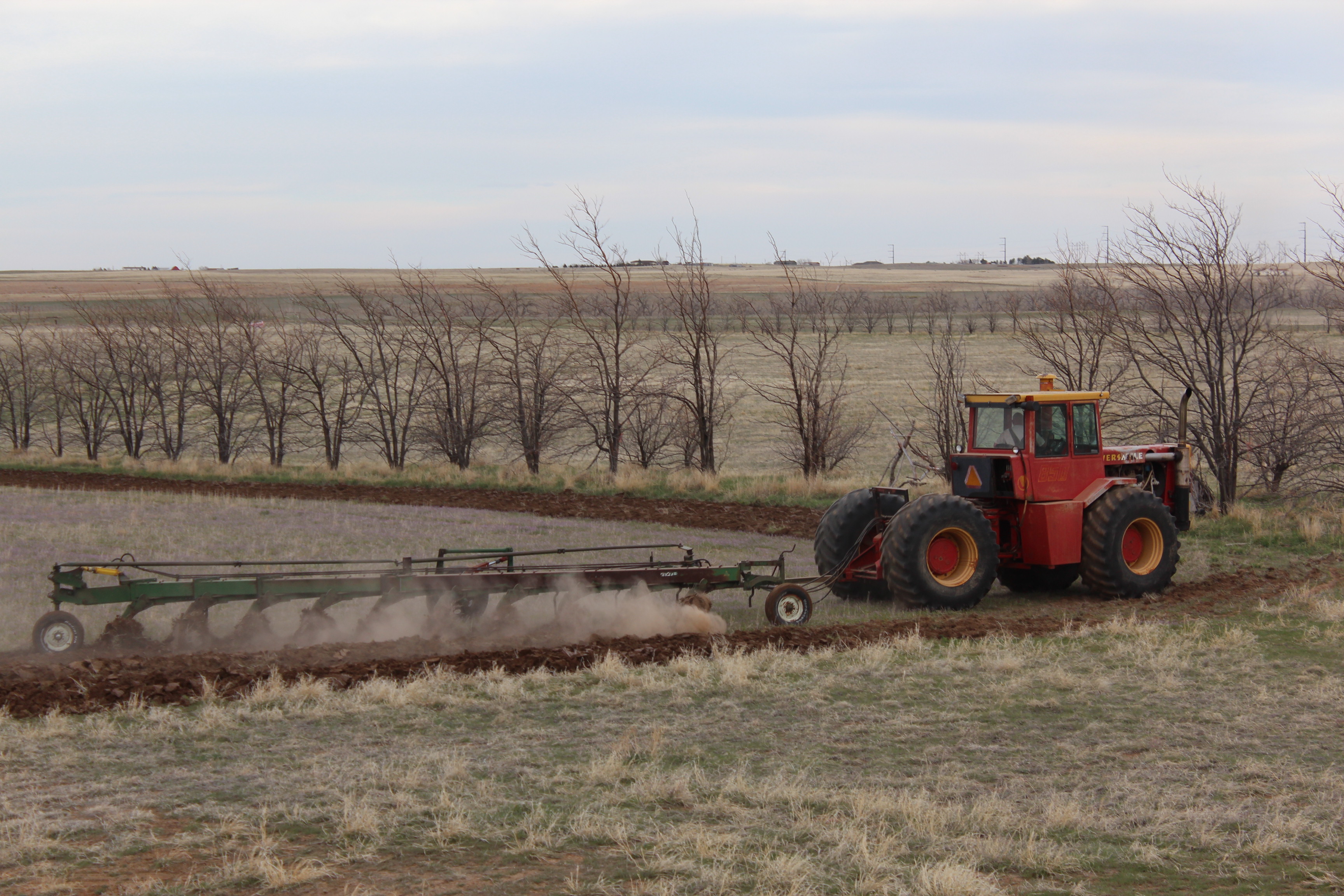
So spring has sprung on the first year of the JAZ Farm.  As I posted previously we agreed with our neighbor to let him farm the back thirty or so acres with wheat.  We hadn’t heard from him in a little while but then round about dinner time I heard the roar of a loud diesel engine, looked out back and there he was pulling this huge plow!  My tractor for the organic garden has a one blade mold board plow to turn over the soil.  This guy’s is 10 feet wide!!  He did about 3 passes and dug into the soil about 18 inches.  My goodness those things are powerful!!

I have to admit some hesitancy here.  While the land would simply lay unused if he didn’t lease it, it is still “conventional” farming.  In that, he turns up the soil and burns diesel fuel.  Because it is wheat, it isn’t a GM crop.  If it were, this would NOT be happening.  It is dry farming so there is little else being done to it until harvest. I get a tax break for Ag use of the land and I should get a huge load of straw from it come harvest time in July.  We have agreed that he will win row the stalks so we can have someone come in and bale it.  So to loosely quote an author:  It is the best of times and the worst of times.  I guess one shouldn’t let the perfect become the enemy of the good.  After all, I could be out there with my little putter tractor planting a sunflower or two.  This way I will have all the straw I could ever need for mulch and chicken coop litter.

Springtime on the Plains

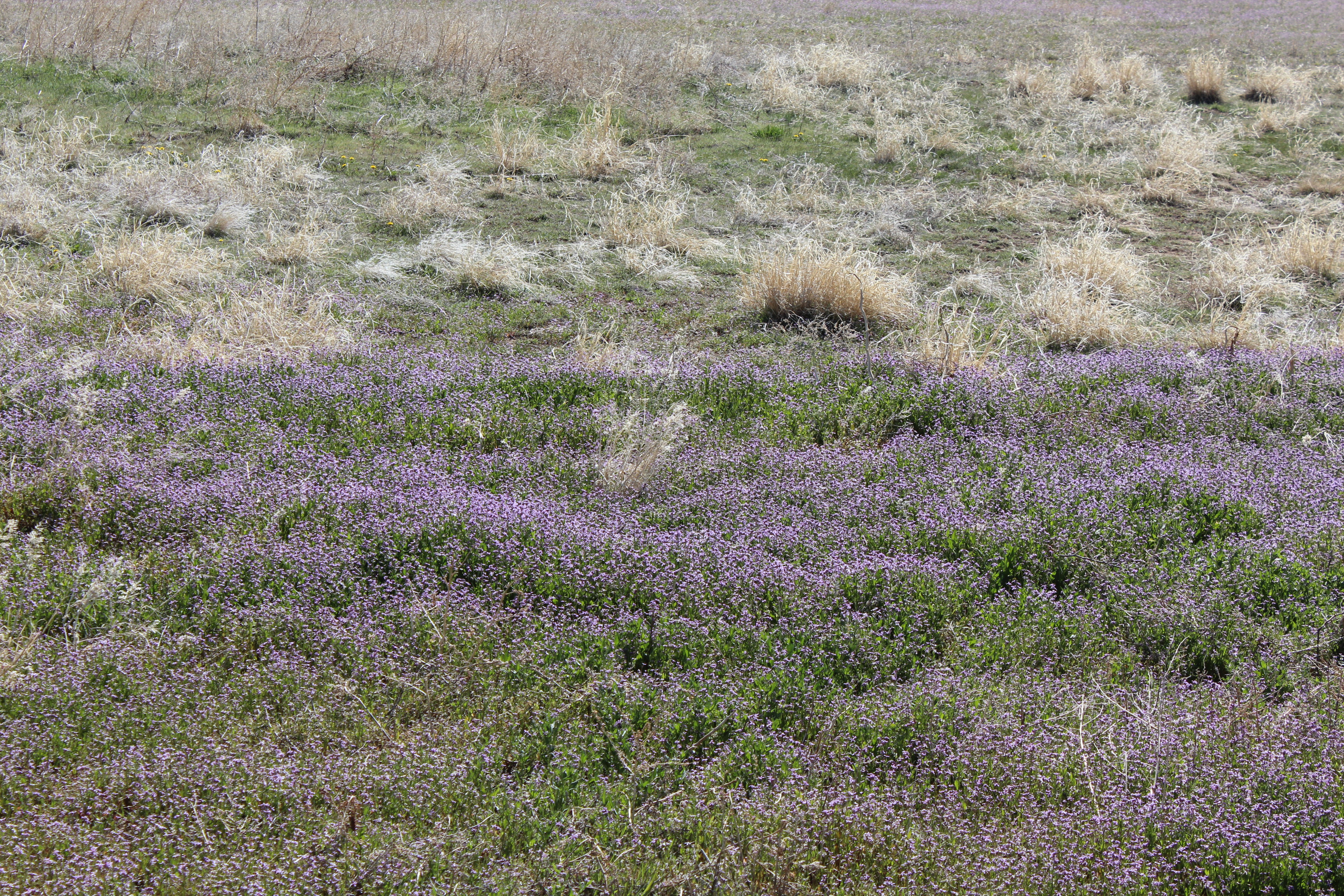
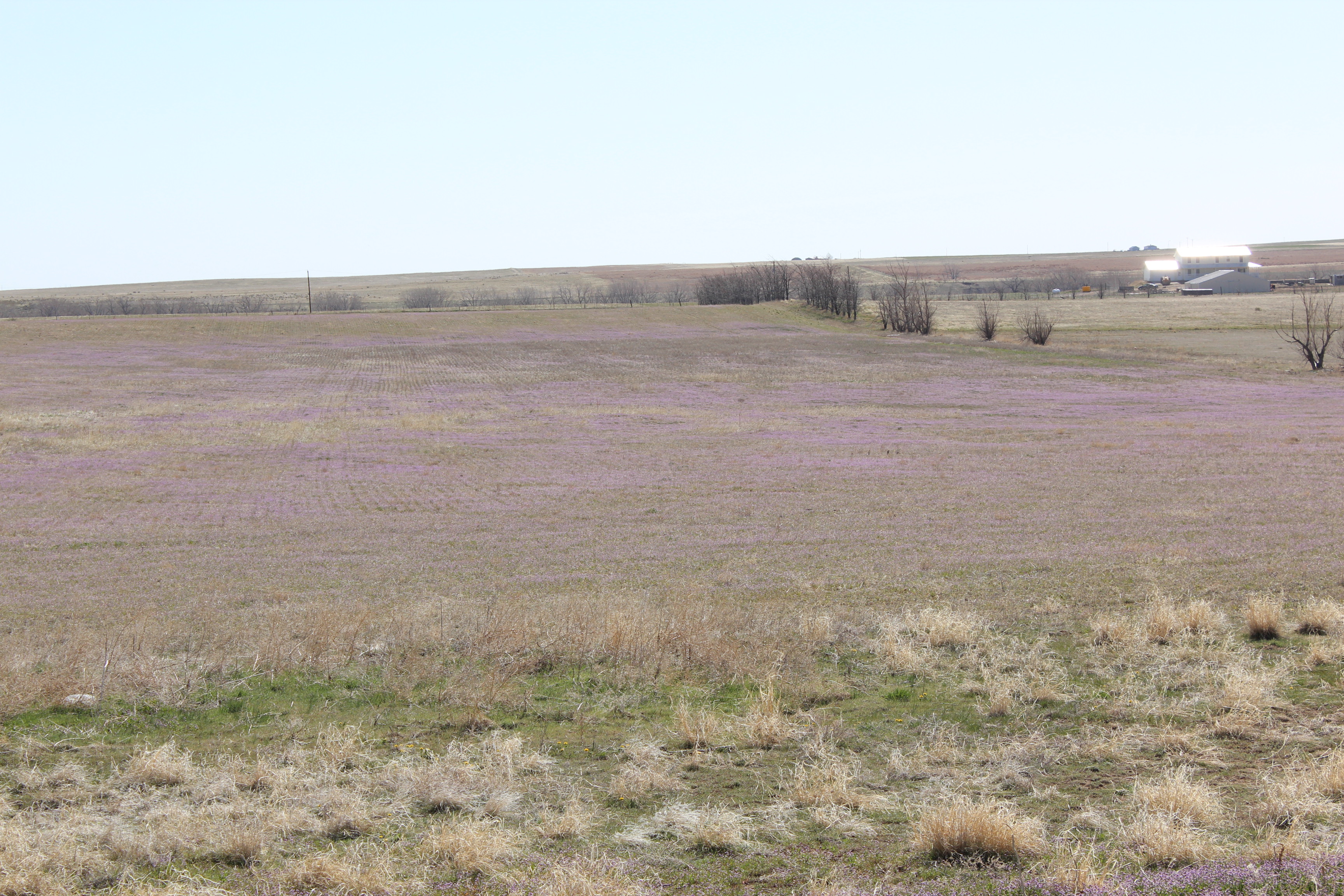
Spring has sort of sprung here!  After a very white April we are starting to see signs of growth and green!  Of course we are expecting snow this Wednesday but we’ll take the sunshine and warmth while we may!  Almost overnight the prairie flowers shot up.  Our entire field is purple!  After doing some research we found the flowers to be called “Purple Mustard”.  Evidently they are invasive (figures) and wheat growers hate them because they reduce yield.  They like to invade land that has been tilled up and not used for a season or two (like ours).  They have a distinct (but not too unpleasant) smell.  During the sunrise and later on in the afternoon the sun really brings out the color.  Zina got a shot or two of them.

IMG_2332 IMG_2330 IMG_2329

Gotta have one of these on a farm!

When we decided that buying our homestead was something we wanted to pursue, I told Zina, “I built the urban farm by hand.  I wheel barrow-ed all the top soil in and I man-handled all the landscaping stone needed to Xeriscape the front yard.  If we are going to do this and it is going to be on the scale that it has the potential for, then I must have some machinery to help out.”

Of course I didn’t want to have one of those ginormous tractors with the eight wheels that are 6 feet tall, pulling a huge disc, seeder or sprayer behind it, but a little putz around tractor to haul inconveniently shaped or heavy objects would sure be handy.

Wishes fulfilled.  A couple of weeks back the local dealership dropped off a compact John Deere tractor.  It was too late for one blizzard and just in time for another.  So far it has a front loader (already coming in handy) and a 4 foot wide rototiller to help with the garden.  On order is a middle buster and a 1 blade mold board plow (the gizmo you often see in pictures being pulled by a horse and a thread bare farmer sweating in the summer sun.).  The middle buster is a piece of steel with kind of a heart shaped blade on the bottom designed to “bust the middle” of a row in order to plant things like potatoes.  It can also be used to help harvest them.  All I can say is thank goodness for some forms of technology.  The farm was never intended to make us a family of luddites.  It is simply healthier, better for the soil, and for the environment to engage in locally grown food production.  Starting this whole production in our 50’s demands a certain amount of convenience.

Here she be:

IMG_2197 IMG_2222

Of course, you can see from the images that my son – the mechanical engineer wanna be who starts college in the fall, thinks all of the hydraulics and moving gizmos are just all that!  Who-da thunk you get a teenager to WANT to come and help out with farm chores?  Just give em a nifty toy to mess with and you’re good for at least a few days!

A few days after these photos were taken we got hit with a typical Colorado spring blizzard.  The drifting would have had us all but snowed in save for the new tractor.  Here is what Aaron did for two hours the next day:

IMG_2264 IMG_2265

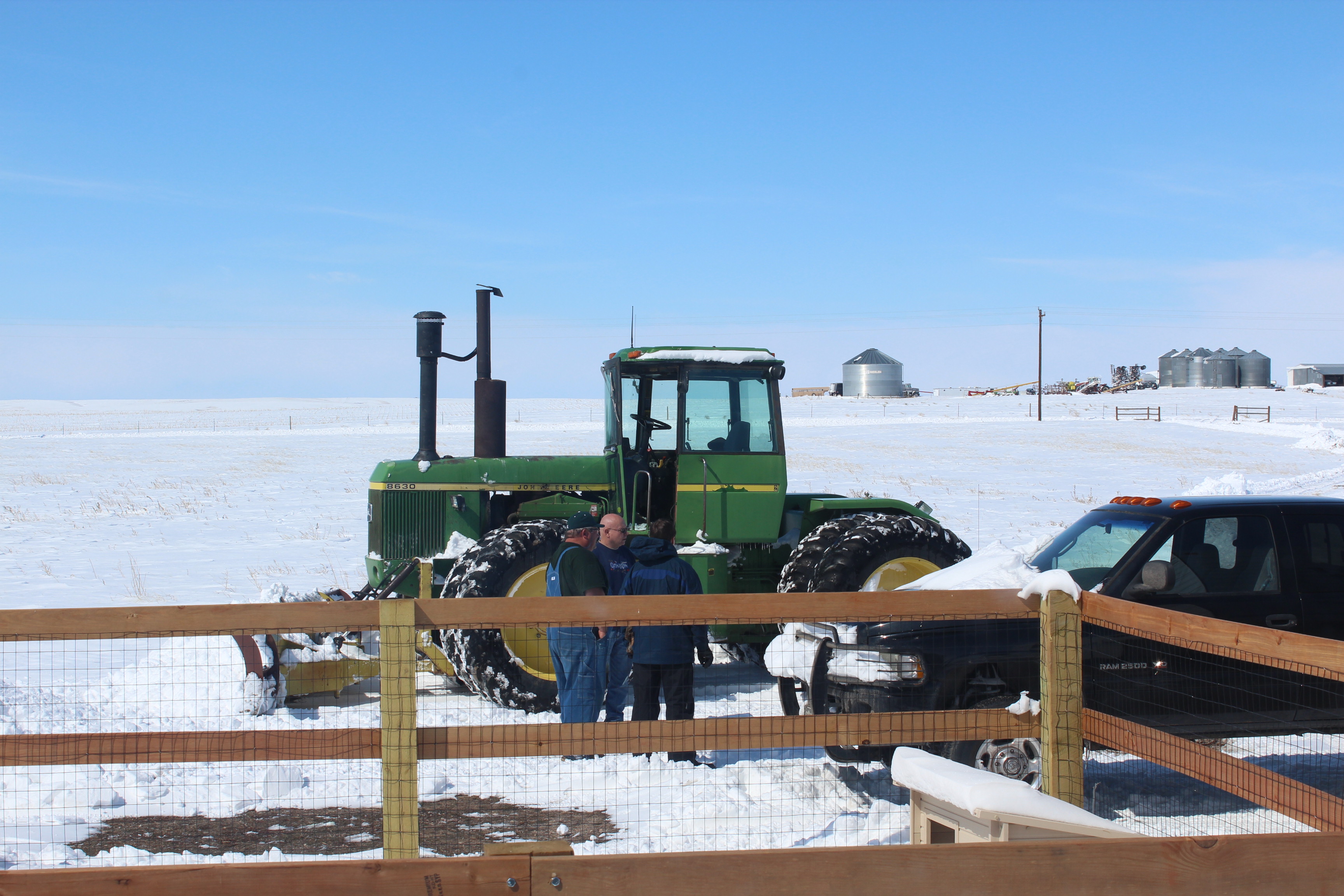
The humor in this story now begins.  While digging the family a trench out to the main road, our neighbor, whom we had never met, drove down to meet us……..in one of those very same ginormous tractors (I am six feet tall {the guy in the hat and overalls}) – you can get an idea of the size simply because the tires are almost as tall as me!.  He decided that it would be nice to come down and help out and finally meet the new neighbors.  He had a snow plow blade on the front that was as wide as my pickup is long.  Aaron was pointed away from the main road and didn’t see this beast bearing down on him.  When he did notice it was hilarious – it looked like a go cart being chased down by a semi!  We were wondering if we fed and watered our tractor if someday it might grow up to be like this one!  What had taken Aaron two hours, this guy did in a matter of a minute or two.

IMG_2266

It turns out that the farmer (Brad) is the one who has been leasing the back 30 acres of our property to farm it with wheat.  He wanted to come by and see if we would still be interested in doing that.  I told him as long as he doesn’t spray pesticides on it and because wheat isn’t genetically modified, we would be happy to have him do it.  In return I will get an enormous amount of straw that can be used for the chickens and for mulch and general composting.  He gets to sell the grain.  He said that right now he is working upwards of 5000 acres of land… none of which he owns.  The main method for non-landowners out here is simply to dry farm.  The ground gets tilled, the seed gets planted followed by lots of praying and hoping for sufficient moisture and then, around the 4th of July, comes wheat harvest.  Last year’s drought left us with 30 acres of unharvested, stunted wheat.  Considering that as I type this we are getting another 6 inches of snow, the moisture levels are quite a bit above last year…. but that’s not saying much.

The organic garden I am going to put in is around half an acre – Easily that if you take into consideration the seed corn and sunflowers I want to grow for the chickens.  It is HARD packed right now as it is where an old horse corral was.  Many hooves have pounded it down – but all of those horses have also made it the most fertile land on the farm.  Brad has volunteered, when he comes out to disc the back 30, to run the disc up through the garden as well!  Said he’d have it busted up and tilled in about 5 minutes.  Woohoo!  Gotta love other people’s machines!

So the JAZ Farm has a tractor and has networked to have access to some folks with much bigger toys to help get the big jobs done.

Before and After, How it all Began

(Jon)

JAZ Farm has been an evolution.  While many plans, visions and dreams rarely turn out exactly as you thought they would, JAZ Farm was inevitable.  From as far back as age 17, I had an amazing disdain for cities.  All through college, all I could think about was wanting to live somewhere “in the wilderness”.  At the time this was something of a naive belief that one still actually could move to the mountains and somehow live off of the land.  What they don’t tell you  in your Jeremiah Johnson fantasy is that the mountains don’t provide much in the way of edible assets that don’t need to be shot first.  Now that isn’t an ethical issue as much as it is a scarcity.  I am a fair bowhunter, and a pretty accurate shot.  Considering how much time I spent in archery, I better be.  No the problem is that 1. There is a regularly scheduled hunting season.  Hunting out of season is a great way to get you into a whole heap of trouble and 2. There really is only so much Deer and Elk you can eat; not to mention the fact that greens are hard to come by.  I did live with ranchers for a lot of years and did learn the ins and outs of cattle, but there too, Walden had a growing season of about two and a half months.  I even experienced significant snowfall at that elevation (8200 feet) in July!

In seminary, while living and working in ranch country, I became aware of the moral and ethical dilemmas surrounding our nations’ food system.  The Green Revolution was starting to wreak havoc on the local farmer.  Thousands upon thousands of our “food creators” were being told to “get big or get out”.  A tradition, and ultimately, the most efficient way to produce nutritious food, was being decimated.  This is a topic for another time….. but believe me…. there will be many discussions about this.  We have screwed things up in some of the worst ways imaginable and it must be changed.  JAZ Farm is trying to be a part of that change.

As Aaron grew up and he found his own interests and our archery fascination slowly wained, we began getting into Xeric (water efficient) landscaping in the front yard of our Westminster home.  As I learned more and more about what poison industrial food is I started a quest for some sort of independence from that system.   The first attempt was hydroponics.  I built a hydroponic grow room in our basement.  It was a rousing success but it was in no way large enough to create enough produce to sustain a family.  However, it is absolutely possible to grow all of the salad greens one could ever need in a couple of hydroponic grow tables lit with some T5 florescent lights.  In fact, given how hot and arid our climate is, that is likely how I will always grow lettuce.  You have never seen green lettuce until you have raised it in a nutrient controlled environment!  It even has taste!

The grow room now is primarily a seedling starter room.  It also may be the room that the newly born chickens are brooded in.  The started seedlings were initially intended to provide the plants for the first part of the JAZ Farm…. JAZ Urban Farm.  Our back yard is an Urban Farm.  We have 25 raised beds and it has been astounding how much of our produce we grow in the summer and how much of it we have available through canning, freezing and dehydrating throughout the winter.  Of the 45 tomato plants I grow out back each year, we NEVER have to by any kind of tomato products except for an occasional can of tomato paste.  The taste is second to none!

JAZ Urban Farm was our attempt to create something similar to a family we found on the internet – The Dervais Family.  If you do a You Tube search you will find these folks living not too far from the Rose Bowl in Pasadena California.  On a postage stamp sized lot in the city they raise and sell produce, eggs, and goat’s milk year round.  Now, they are fortunate to not have the season we fondly refer to as winter, but given the restricted growing season out here, we achieved an amazing success.

Growing in Colorado presents some challenges; the least of which is the short growing season – The biggest…. water.  One learns very quickly how to conserve water and, through the use of different kinds of mulches, keep the water sequestered in the beds instead of evaporating off into the stratosphere.   It isn’t inexpensive to get started, but if you spend the money to build the beds, put in the drip systems, and as I did, put mini-greenhouses over all of them, it is simply the net present cost of all the produce you won’t have to buy.  This isn’t for the inactive.  Just as we learned when we got Basil the dog, one doesn’t buy a Yellow Lab if you want to be a couch potato.  Gardens, too, don’t grow themselves.  Leave them to their own devices and you will find a weed patch just happy as can be to choke out your Roma tomatoes.  My rodent control is a little less than conventional.  I try to be organic with pest control, and I do the necessary weeding, and use drip irrigation.  However, when them little brown varmints with the big fuzzy tails come around and they threaten to put bite marks in my gorgeous Oregon Spring slicing tomatoes…. sucker’s gotta go!  They usually meet with some unfortunate demise where they get a hole in them and fall off the fence….. “honest officer I think it just slipped!”

James Howard Kunstler, an author, wrote a book entitled, The Long Emergency.  I would recommend it to everyone.  Suffice it to say that we cannot have infinite growth on a finite planet.  Kunstler is someone pigeon holed as being a “peak-er”, someone who researches and believes that we have hit the peak of the easily accessible fossil fuels on the planet.  From here forward it will be more and more difficult, and more and more expensive, to extract oil from mother earth.  He wrote a phrase that I believe completely, “The creation of American suburbia has been the greatest mis-allocation of resources in the history of the world.”  It is not possible to do much in a suburb that doesn’t entail jumping in a car of some sort and motoring off to somewhere else.  If we are indeed at peak oil, and our food travels some 15o0+ miles to reach our plate (and often ridiculously longer miles – like 90% of our garlic coming from China!), then food is destined to get amazingly more expensive and scarce.

Armed with that information, the desire to grow our own food and somehow live off the land and become more sustainable, we began a search for somewhere to homestead.  We don’t have any delusions of quitting our day jobs and becoming Green Acres, but having someplace away from the suburbs that offers infinite opportunities for us to experiment, and sometimes, simply to sit and contemplate our navels, the peace of the country has already been recharging.  As a financial advisor, I work in the heart of the insanity of our “capitalist” system.  As much as I love my clients, I hate what I am having to defend them from.  JAZ Farm allows me to feel like I have some control over other aspects of my life that don’t involve my career.

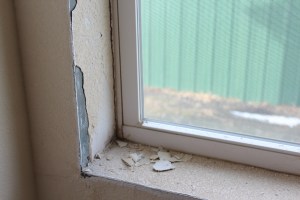
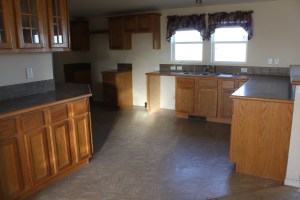
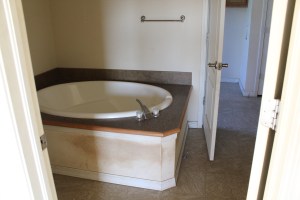
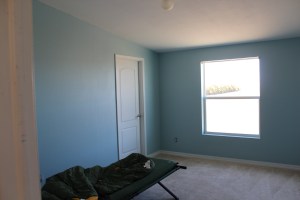
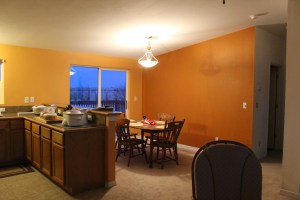
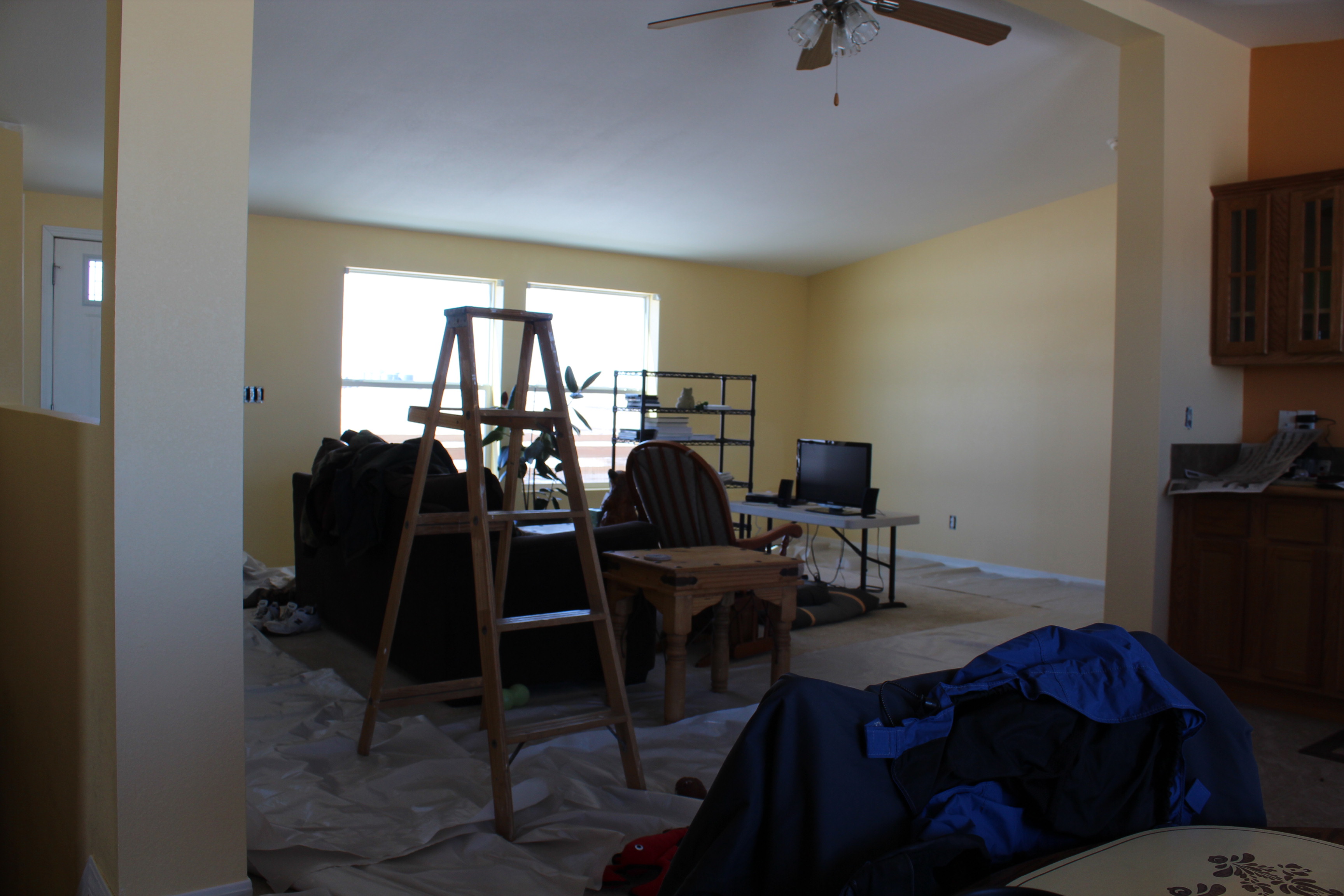
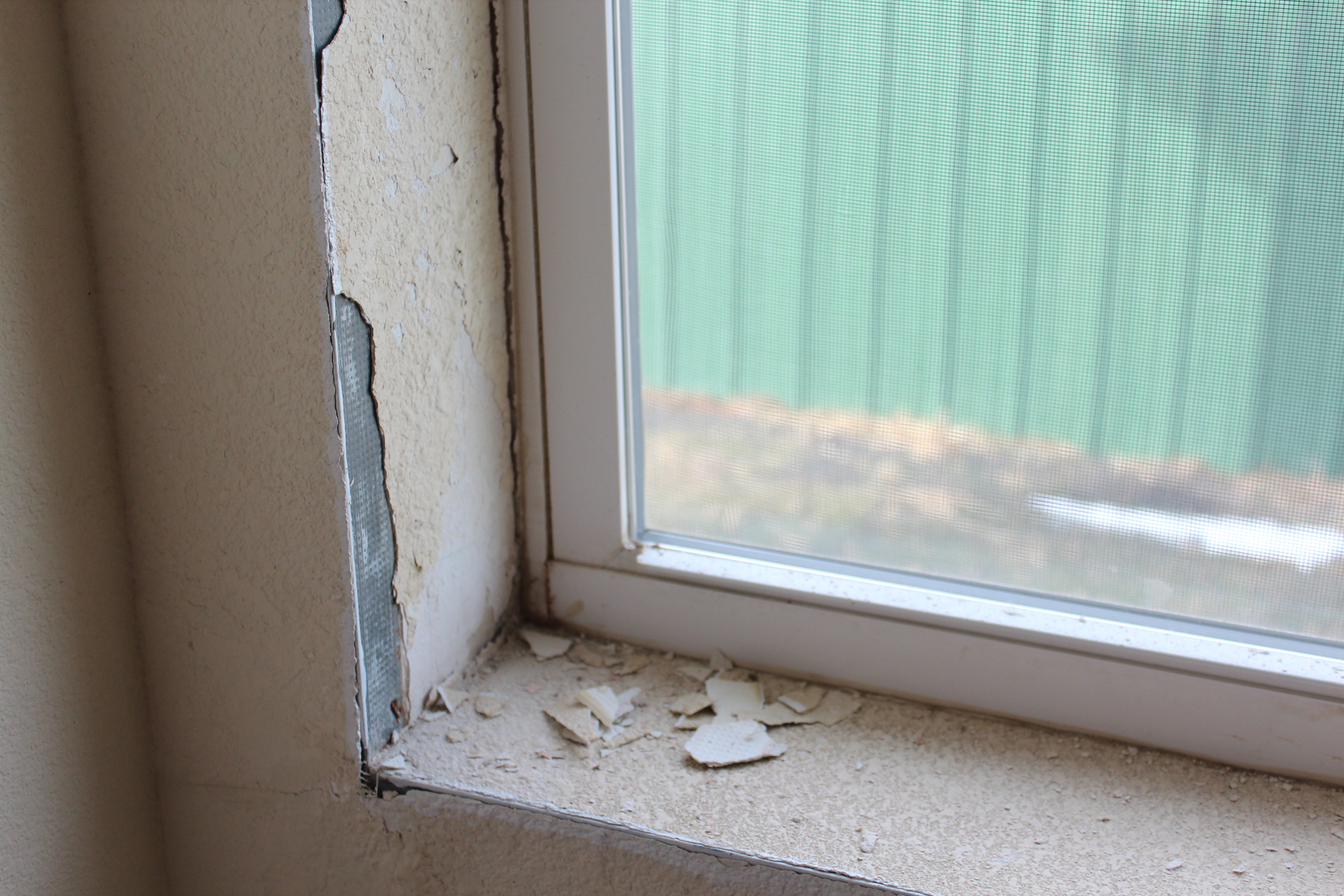
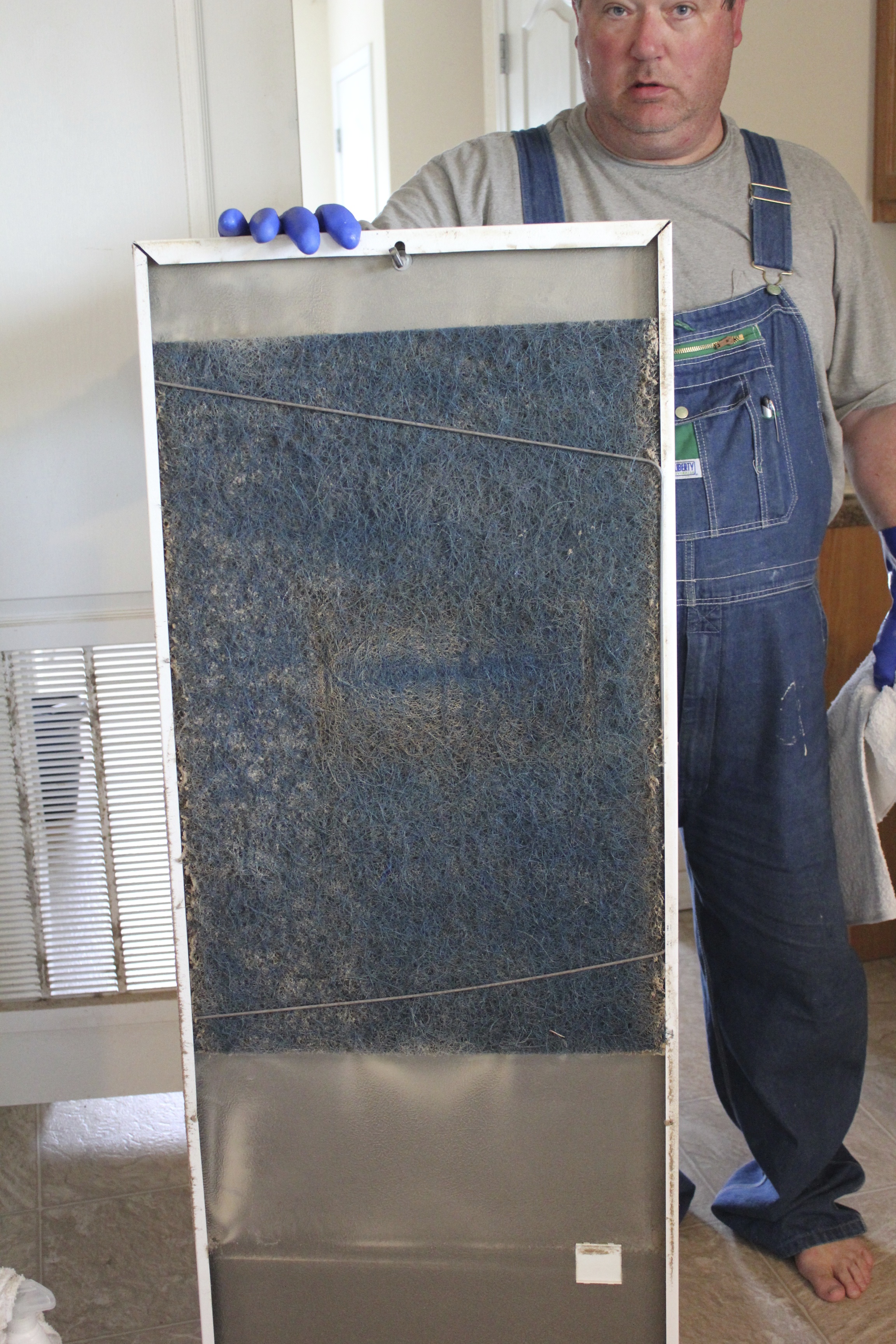
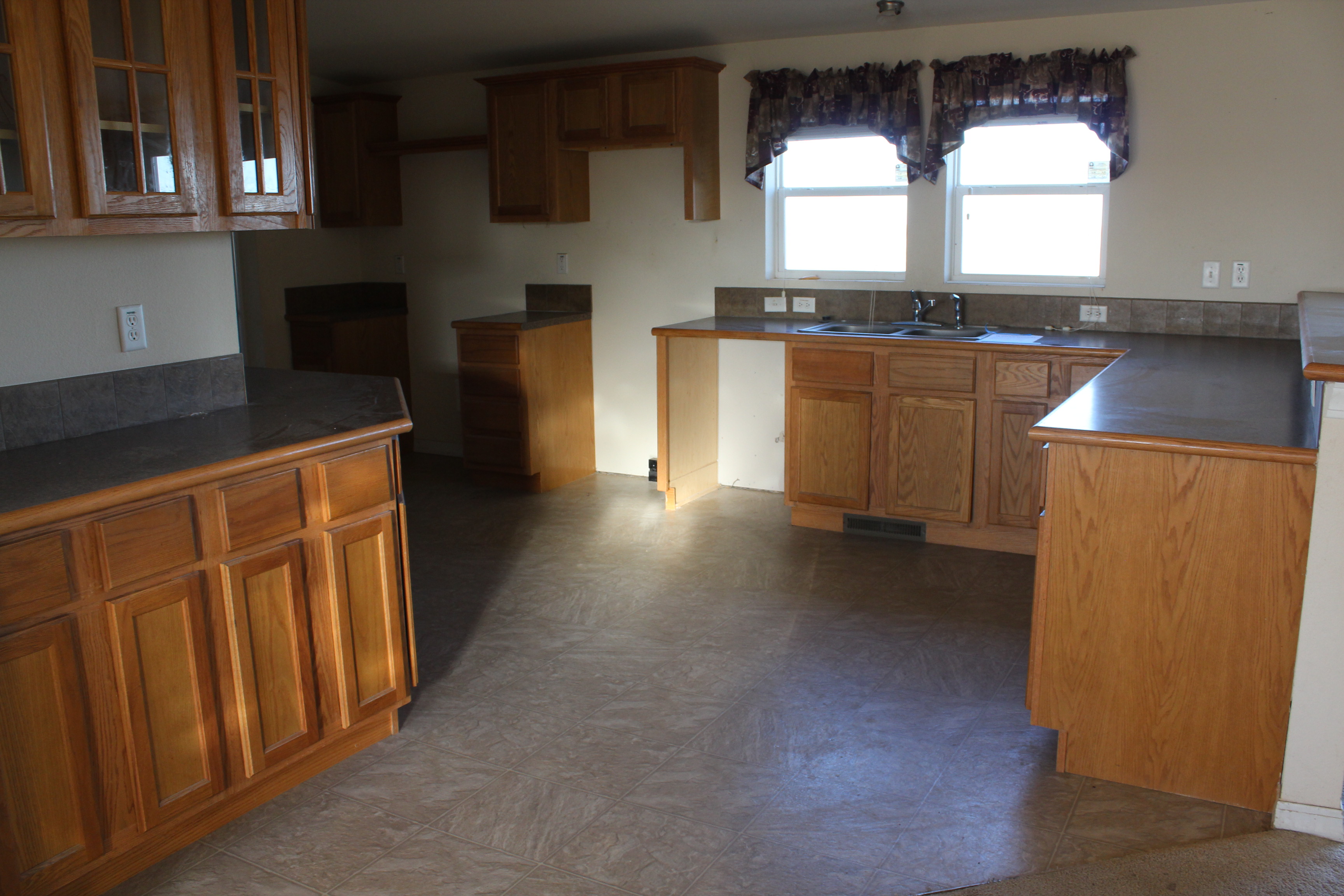
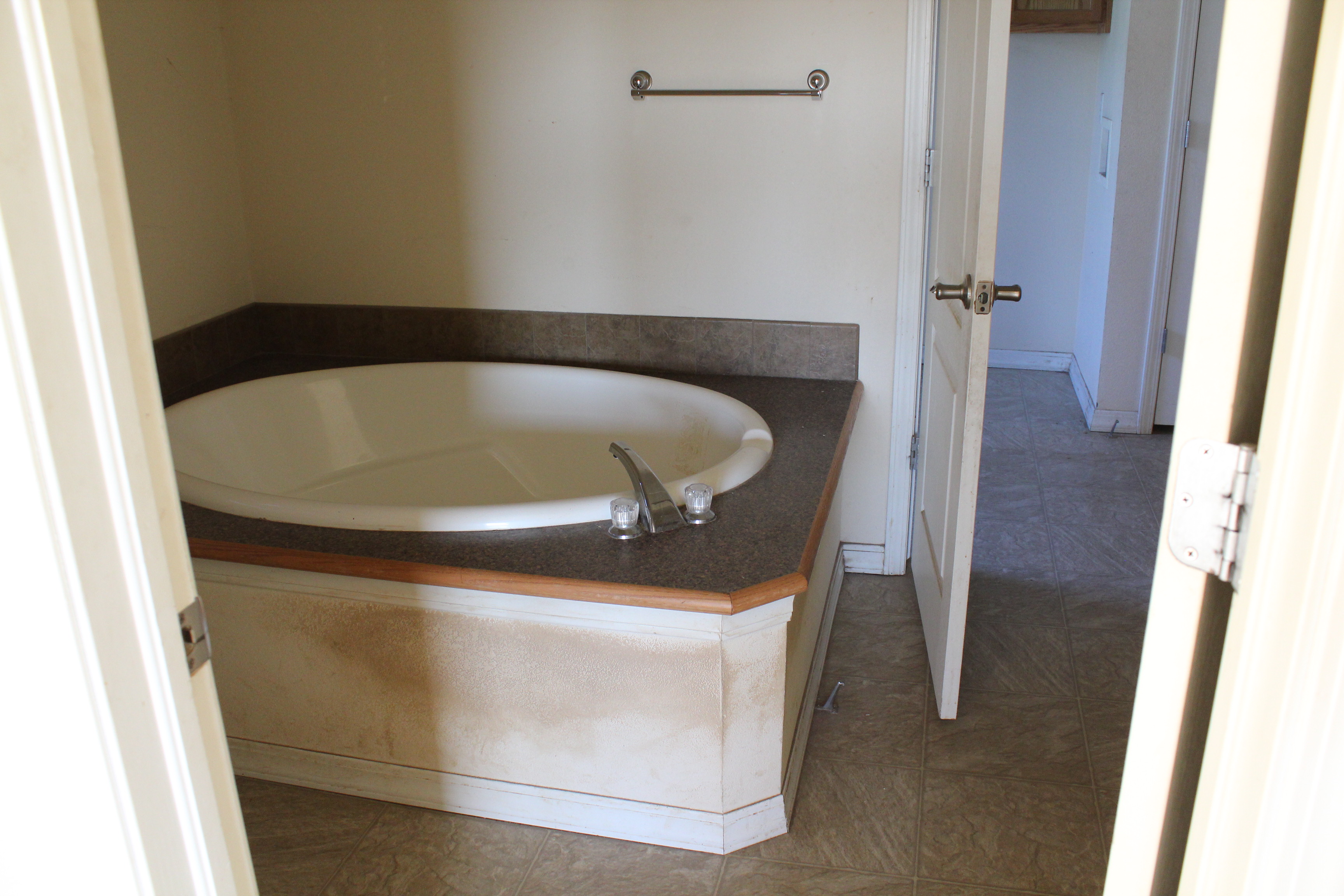
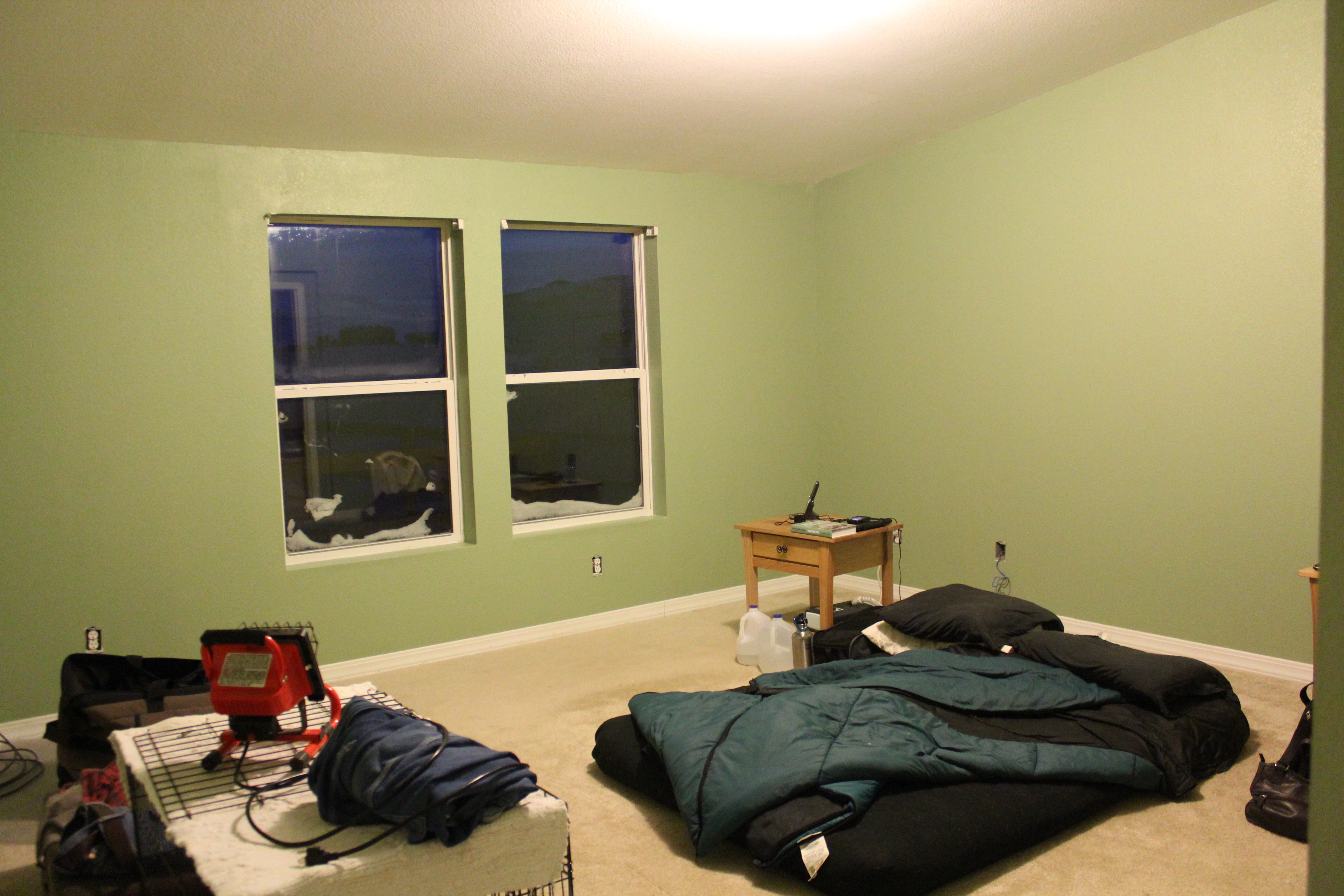
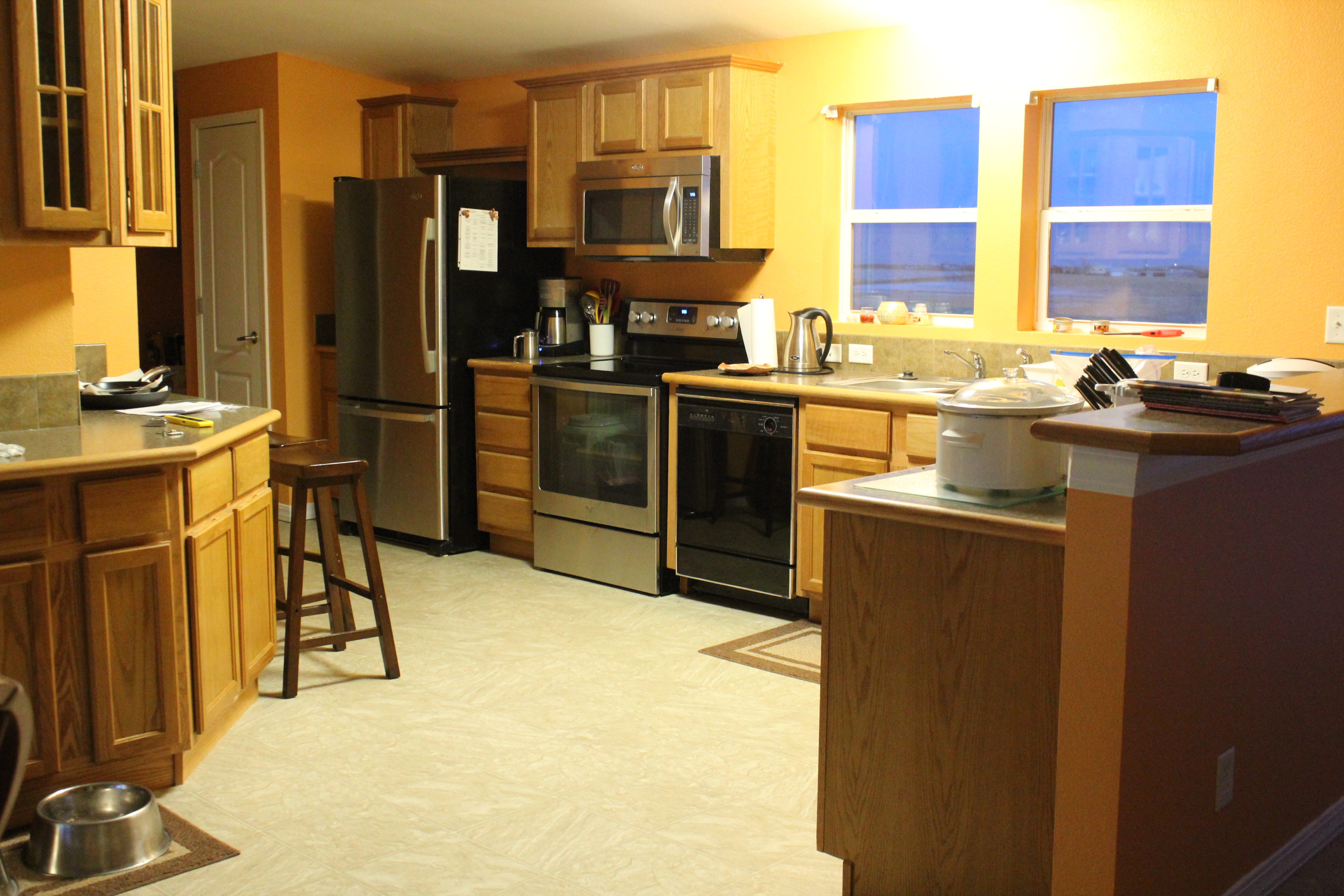
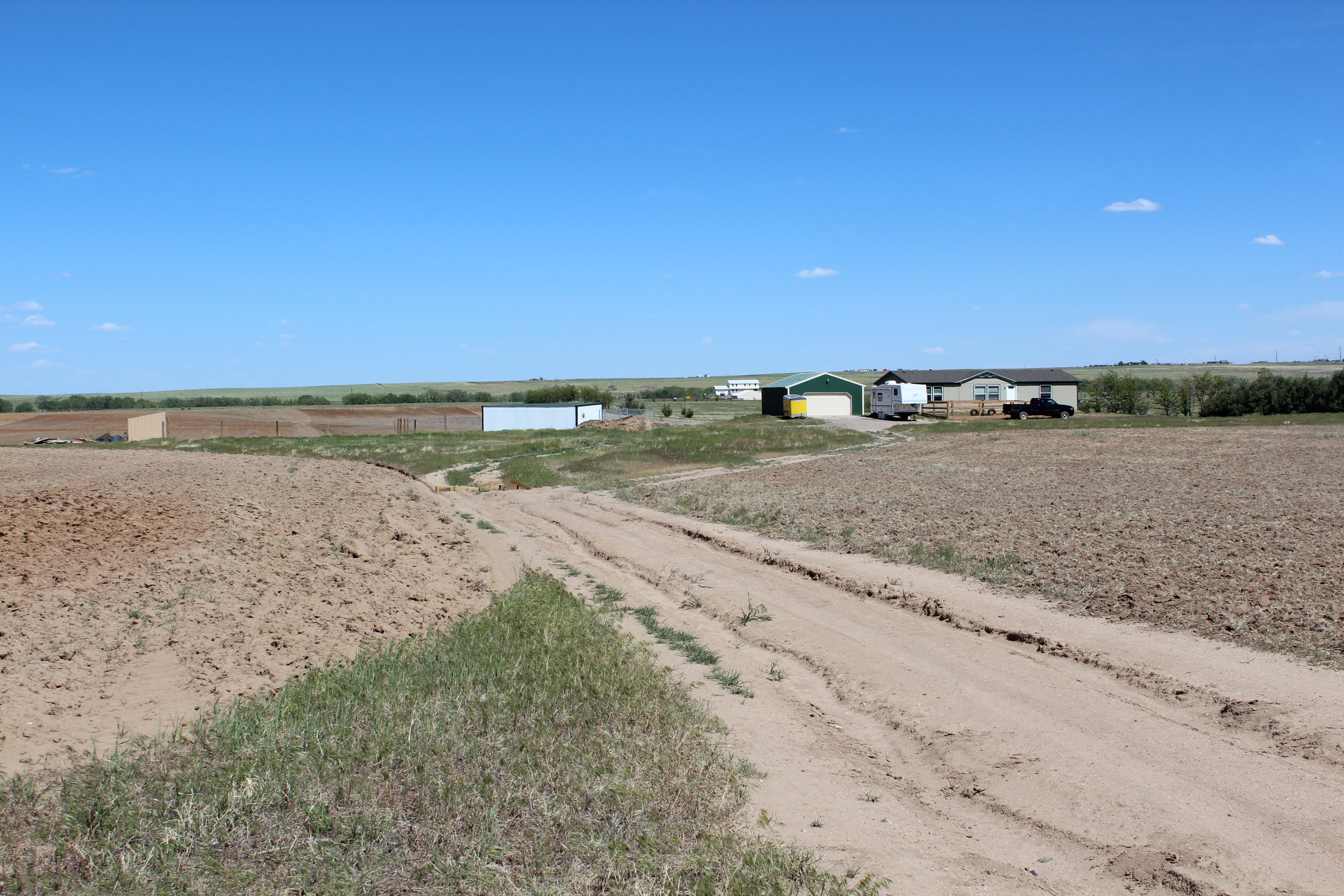
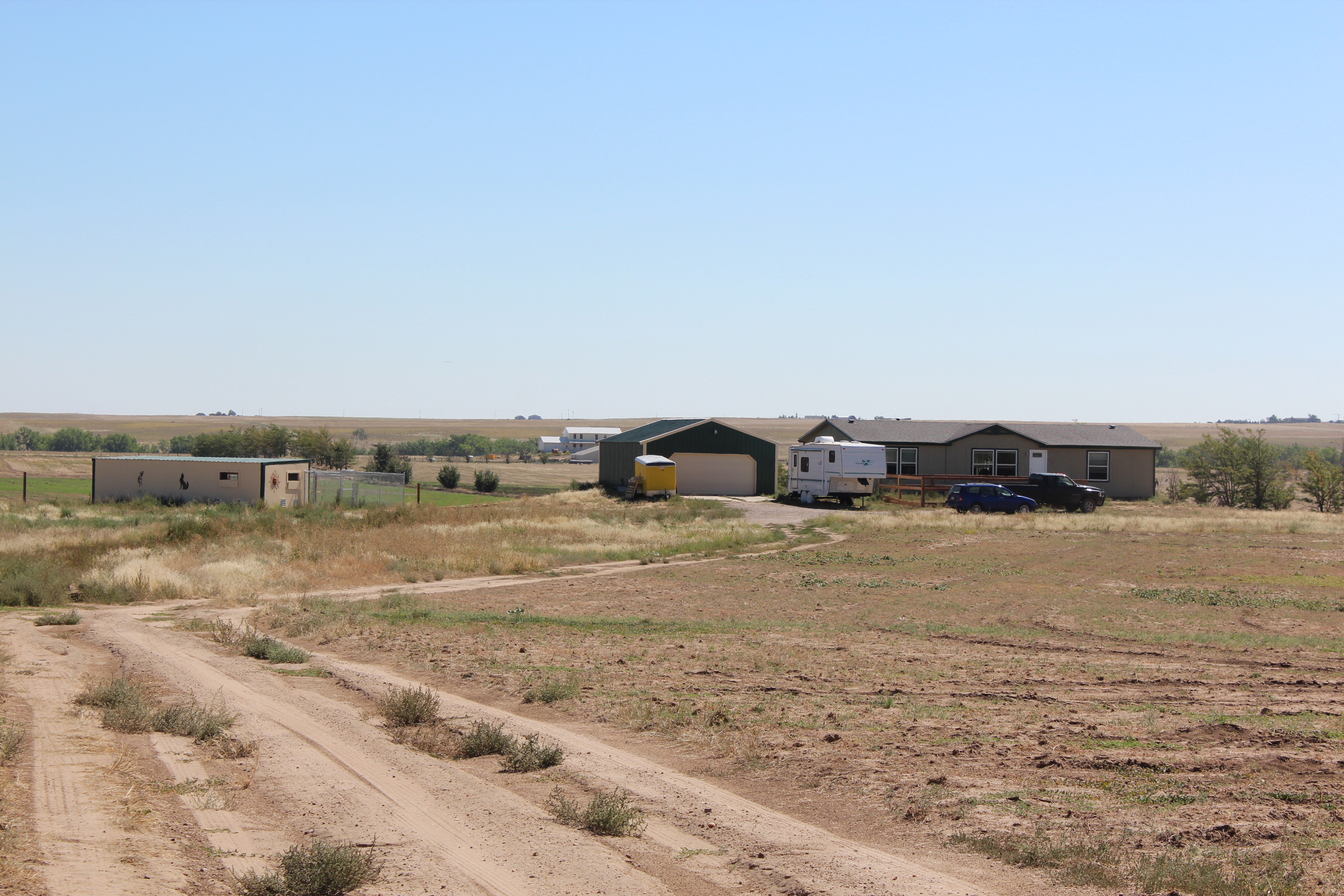
Our astronomy club has a dark site for observing in Deer Trail, Colorado.  It is out I-70 on the eastern plains.  It is beautifully desolate; grain fields as far as the eye can see.  On our way out to the site, we would take side trips to the little bergs along the way.  Because of the housing bubble and financial collapse, a lot of the small homesteads were coming on the market as foreclosures.  To make a long story short, the first one we found fell through.  This one happened shortly thereafter.  Physically, it was a complete mess.  I will post some pictures of the interior before and afters.  It was built in 2006 and we got it for a song.  The problem was that it it didn’t look like anyone had ever cleaned it or much less cared for it.  We had to repair windows, put on a new roof, completely redo and repaint the interior, fix water damage, and generally get it so that it was liveable and not look like a slum.  The previous owners evidently had dogs that had the run of the house.  They must have smoked.  The dirt inside was unreal.  Thick to the point that a rag would simply make mud.  When we had the carpets steam cleaned they literally changed colors.

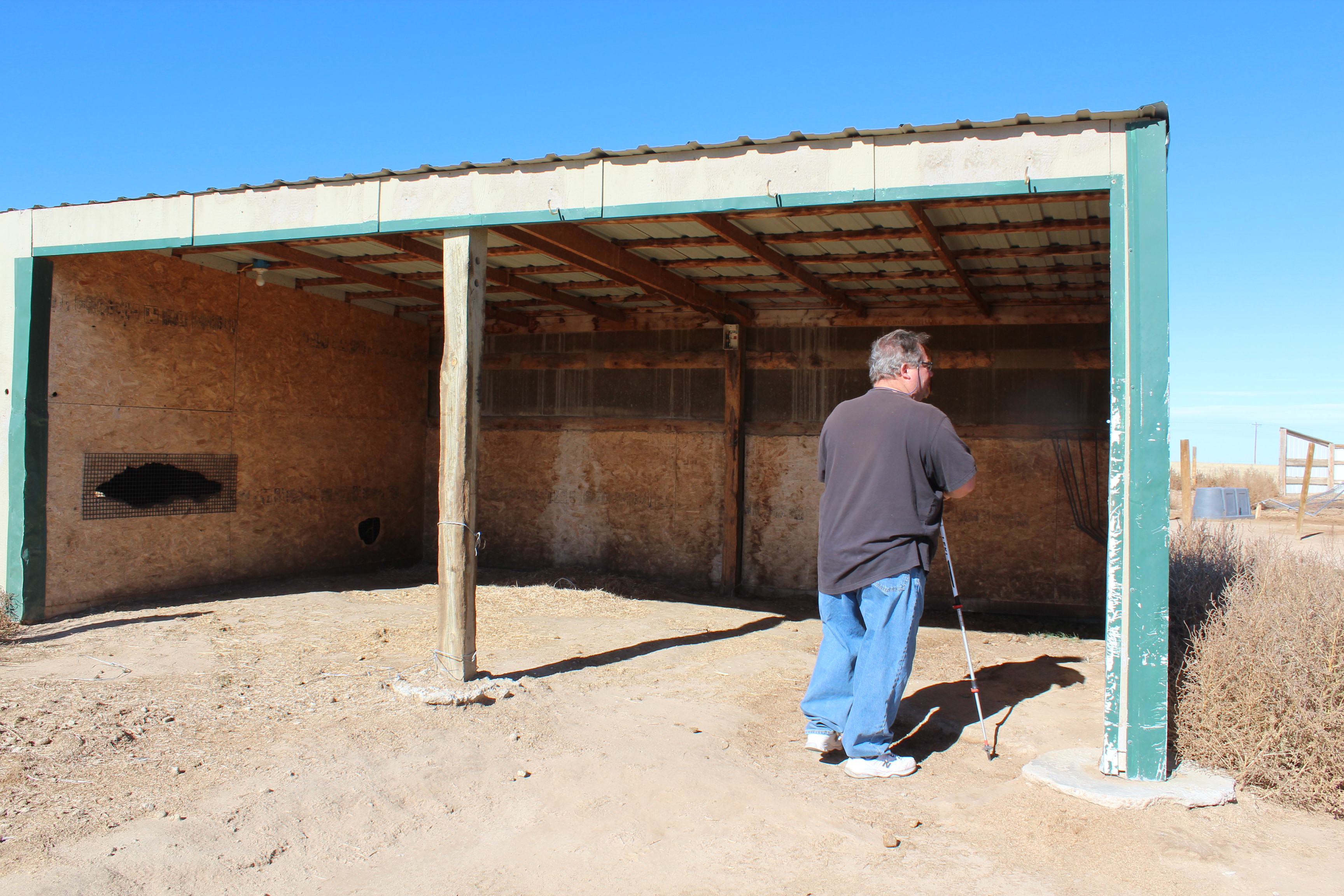
The fortunate part was that it was just what we wanted.  The months after the closing have been a non-stop fix up.  We are finally seeing the end of it.   The JAZ Farm projects can now focus on…. the actual farming!  40 acres, a well, a house, a chicken coop, a garden, an astronomy space, and a barn. This is all very exciting for us.  Thanks for looking!

BEFORE:

IMG_2189

IMG_2118 IMG_3241 IMG_1993 IMG_1986 IMG_1978

AFTER:

IMG_2310 IMG_2283 IMG_2260 IMG_2183

IMG_2180

Chicken coop face lift
Chicken coop face lift
The launch of JAZ Farm Blog April 17, 2013

IMG_1943

IMG_2536

IMG_2765


IMG_2899

This is the beginning of the photographic, written, and philosohical journey of the development of our homestead and living true to our worldview.  This is JAZ Farm.  In this blog we hope to not only chronicle the development of our life in the country and our work toward a more self-sufficient and sustainable life, but the reasons for its creation.  There will be simple entries about what we have done to the place and photos of the progress, but as importantly, why this is something that has allowed us to “live true”.  JAZ Farm is a dream come true; but in every sense of the meaning it is a continual work in progress.  For those who have expressed an interest in its development this is for you.  For those of you who know us there will also be some hard hitting critiques of our country and our world that have made the JAZ Farm project so important to us.  Feel free to pick and choose through your favorite sections.   We decided that in a desire to write and to put our words out into the world, this was the best avenue from which to proceed.  We hope you enjoy the diary, the photo albums, and the philosophy of the most wonderful place on earth for our family…. JAZ Farm.