


This post is more of me thinking it out as I type. I believe completely that there are no mistakes and where you are currently is exactly where you should be. Why that is the case isn’t always clear, so sometimes one has to sit down, shut up and simply let it all unfold. Now anyone who knows me knows just how difficult that can be. After all, if something needs fixing (even with my clients) by god it gets fixed! There is none of this waiting around nonsense. There is a problem, it has a solution, get after it!
Not so trying to figure out what does and doesn’t work on a farm. We have met with success and failures this year and it is the job of a good homesteader/farmer to learn from both and improve. So indeed, some navel gazing time is in order. Considering that it is cloudy and looks of rain today, what better time to ponder.
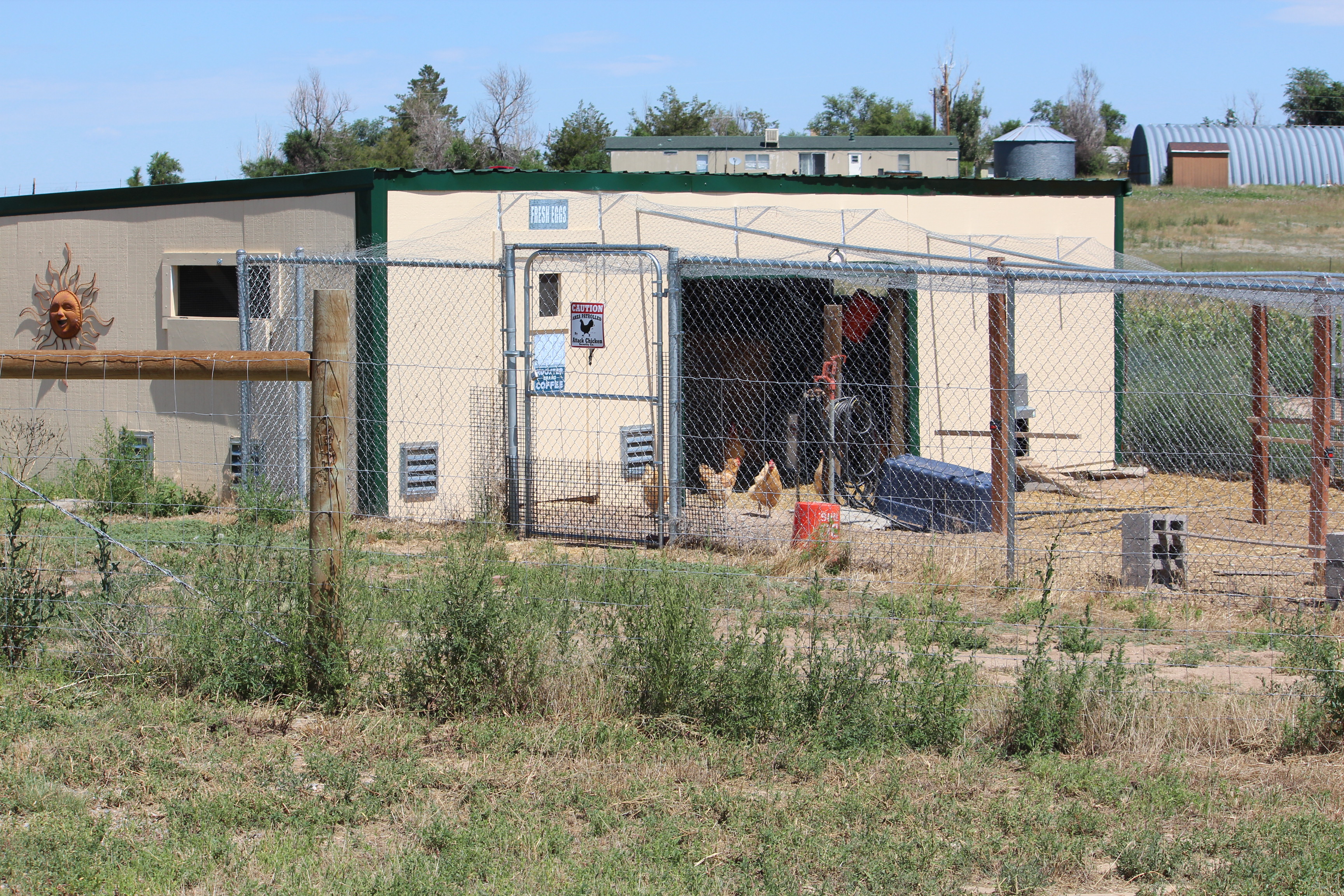
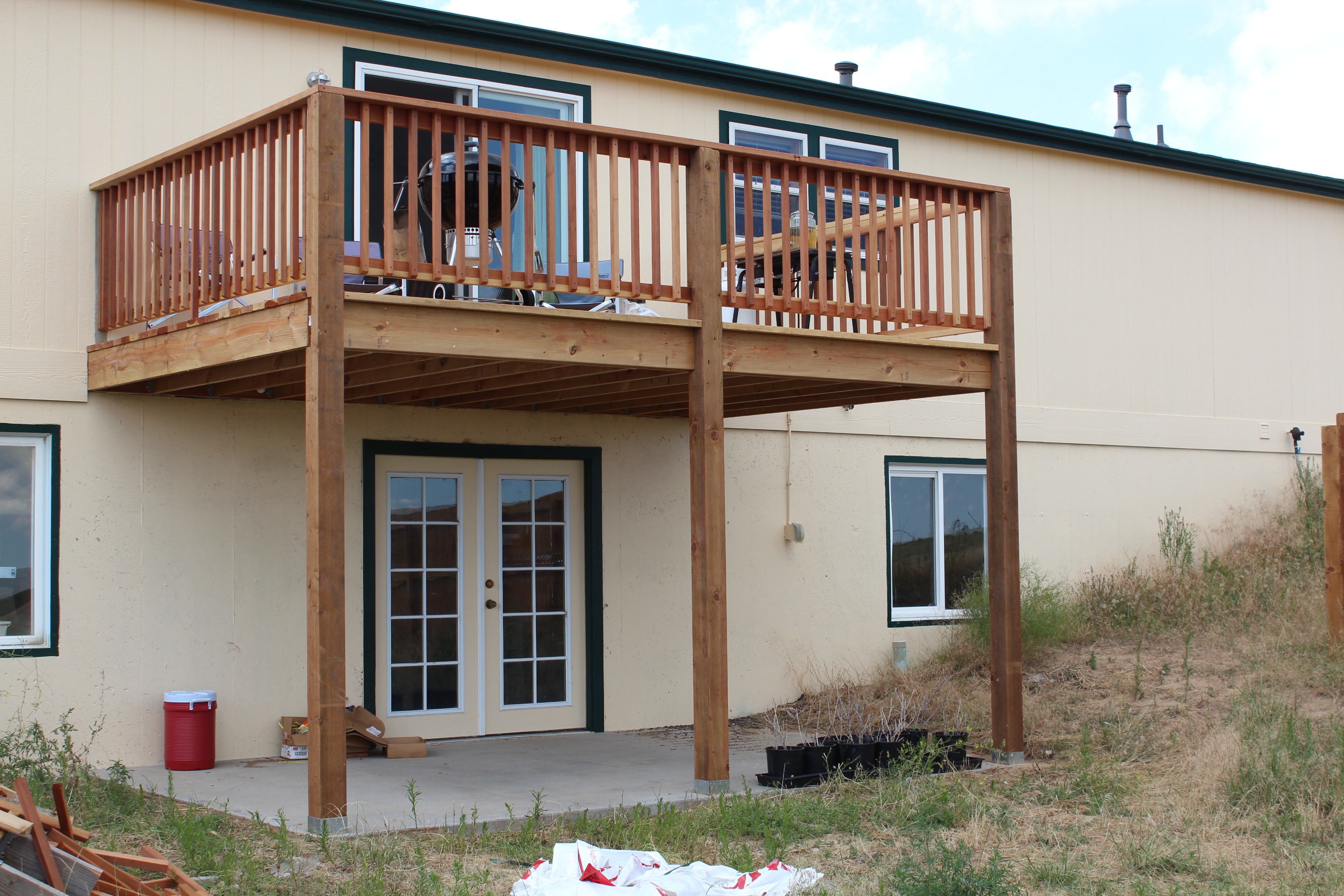
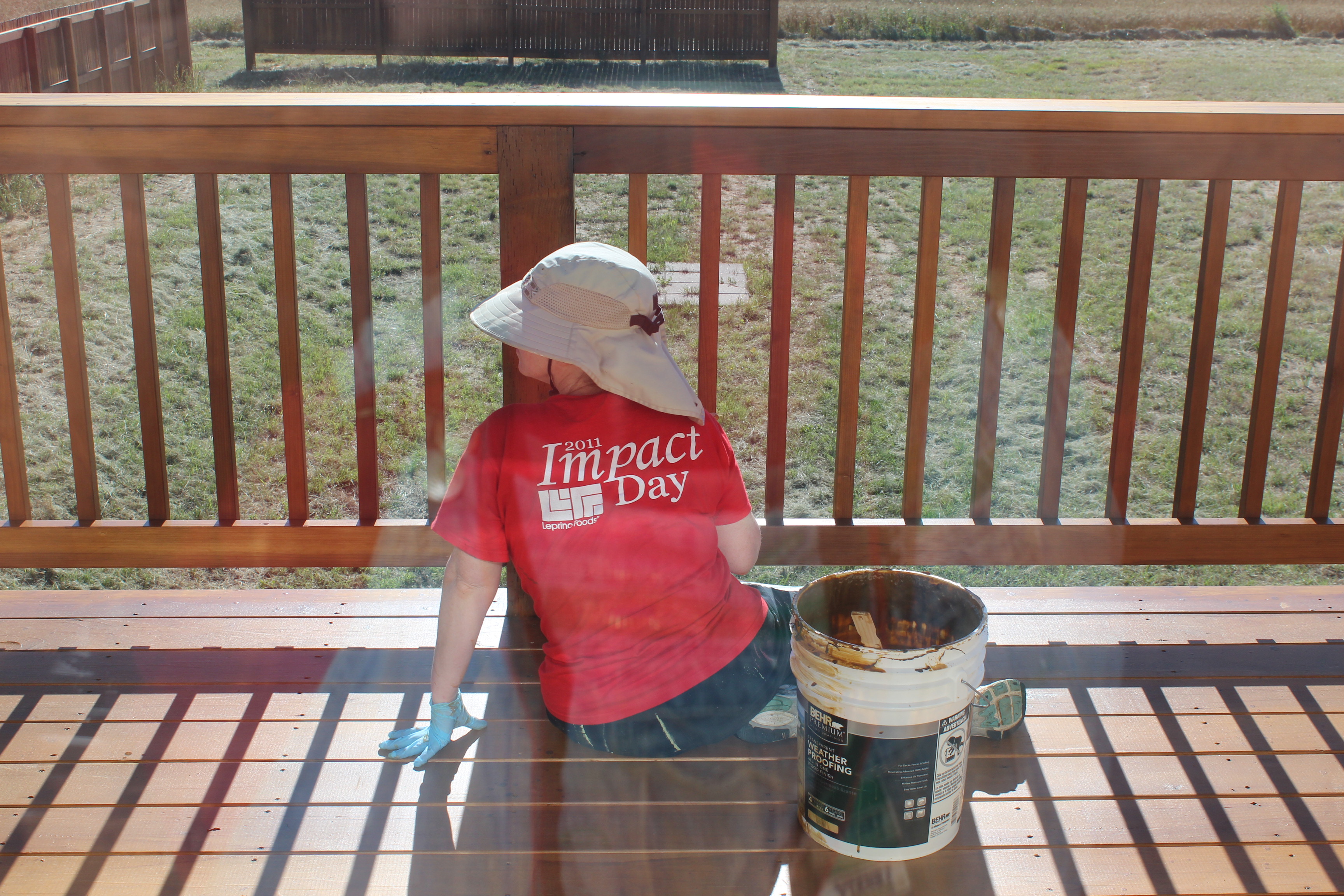
The successes: We got the place and built the majority of the infrastructure inside a year’s time. The chickens both for eggs and meat have gone without a hitch. The building of windbreaks and irrigation systems have worked pretty well but I need to remember to keep checking the timer systems and the associated screw joints. I have had a couple of leaks but all in all it looks like this system will work out. The observing field is a great place to star gaze and the new deck (that was forced to be replaced because of dry rotted wood) is a fabulous place to sit outside and just look at the expanse of the plains. Our seeding rooms at both places are working great. I am so pleased and thankful to have such a big space to get the plants started in the spring (although some ventilation in the farmhouse basement is in order as all of those plants made it incredibly humid – bad for the telescope).
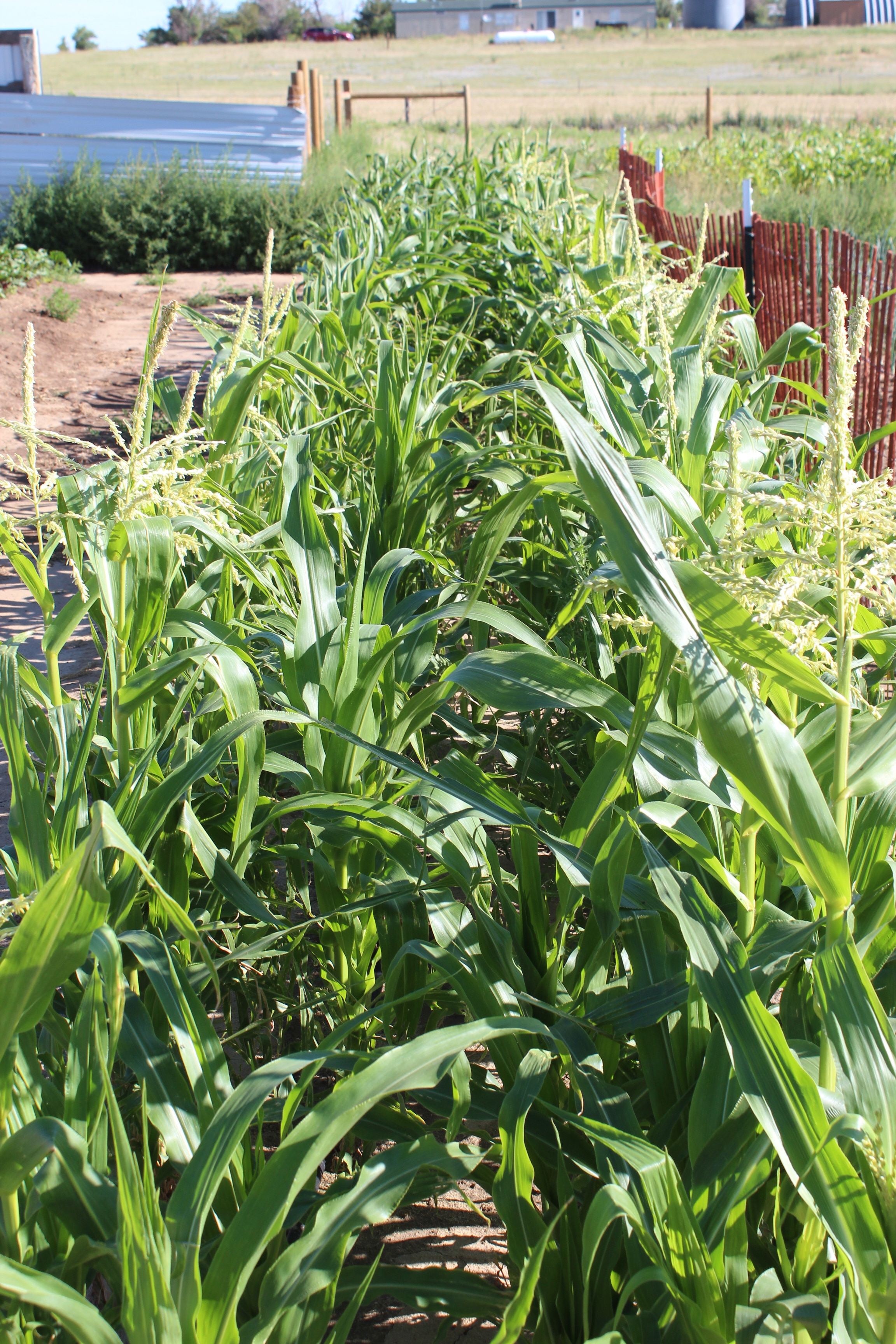
The setbacks: To sound like a politician, “no one could have anticipated” the massive hail beatings we took this year. After the shock, and trying to salvage the garden at the farm, I have been hearing tales of whoa from just about everyone. It did bring some things into focus. Unless it is a storage crop, it simply cannot be planted out here. Kitchen garden vegetables (those with leafy stems and produce fruit) are on a roulette wheel and cannot recover from these peltings in time to be useful. We planned almost exclusively to encounter drought and wind. We got the exact opposite: Hail and thunderstorms. So how do we adapt? This next season the urban farm will be home to all of the kitchen garden plants (tomatoes, peppers, lettuce, spinach, kale, cucumbers, zucchini, broccoli, basil, etc). That garden already has hoop covers and it has proven itself to produce huge amounts of vegetables. The only thing that needs to be done to it prior to next season is to trim back the tree. Since we cut down our aspens, the ash tree has gone nuts. It is casting too much shade. So this winter some of it will become firewood. The plan is then, as we replenish our cash reserves, to wait for the greenhouse I have my eye on to go on sale. This will give us a year to get it constructed and not disrupt the growing season.
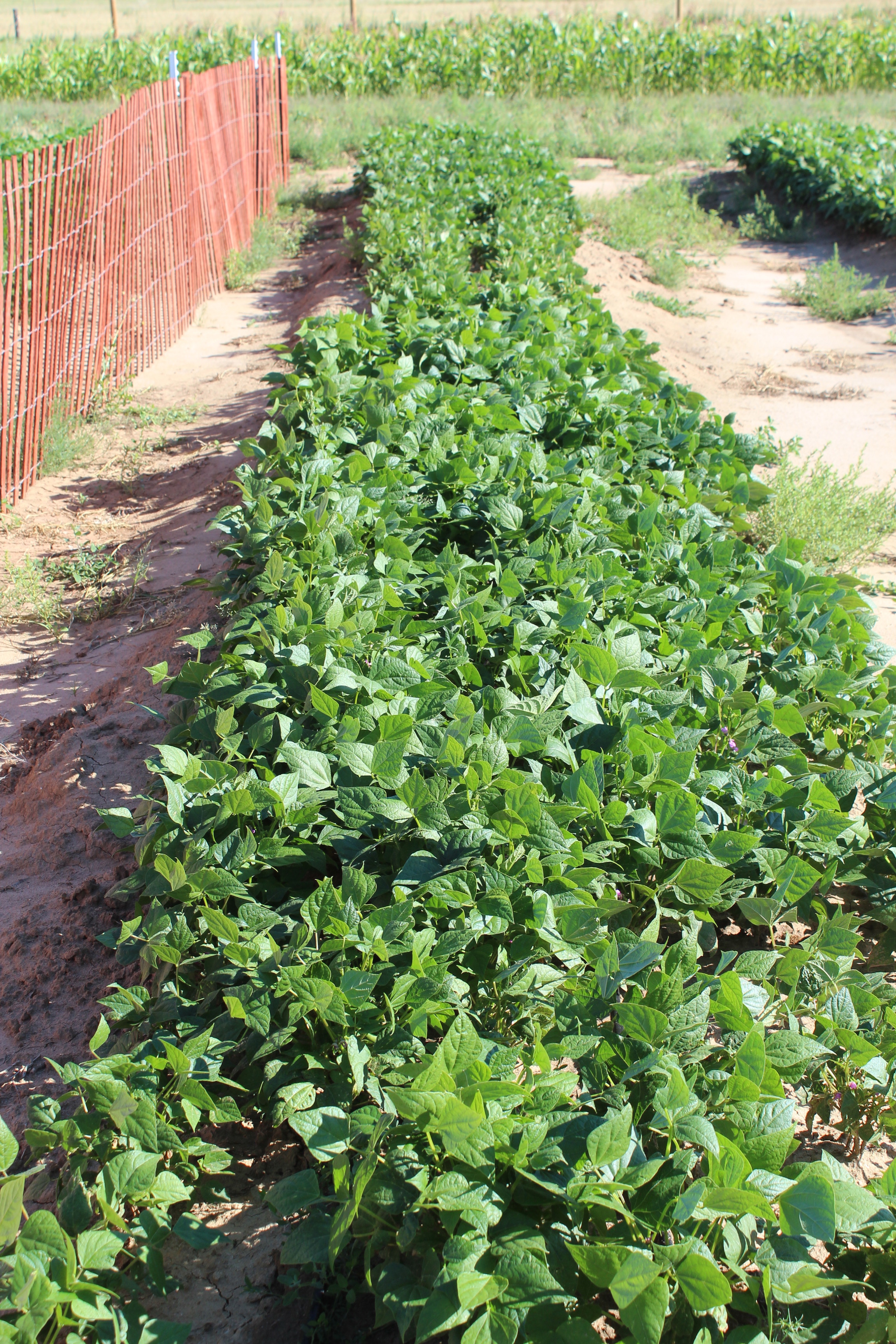
The soil: In the city, I was able to hand tailor the soil in the garden beds by bringing in 50 yards of planters mix to put over the rock hard clay. That soil has been developed over the years to become a black sight to behold. At the farm it is simply too big to do that. It is also mostly sand. In good organic gardening fashion I made all 18 rows, raised beds. They average about 45 feet long and at the beginning of the season they were about 15 inches high. Ordinarily that would be a good thing; unfortunately with the hail and thunderstorm deluges the erosion was awful. The sandy soil wore away to the tune of more than an inch per storm. So a couple three things need to happen: 1. The beds need to be lower or flat to the ground. To achieve the same result as a raised bed they will need to be broad forked so the root depth is adequate. A six inch raise is ok but unless I can find free timbers to box in all of those beds they can’t be raised. 2. Huge amounts of compost needs to be worked in. I did some this year and those beds where I did have held up pretty well. Fortunately I have about 50 yards of compost. If that isn’t enough then we will need to check into bringing some in from off property. 3. Each year a section is going to have to be held out of production and have cover crops like alfalfa, clover, buckwheat, beans, etc. to help get more organic matter into the ground. 4. Because it is the winter that is the windiest time of year, to keep all of the above in place, the beds need to be covered and staked. It appears that the rolls of burlap I ordered will come in handy.
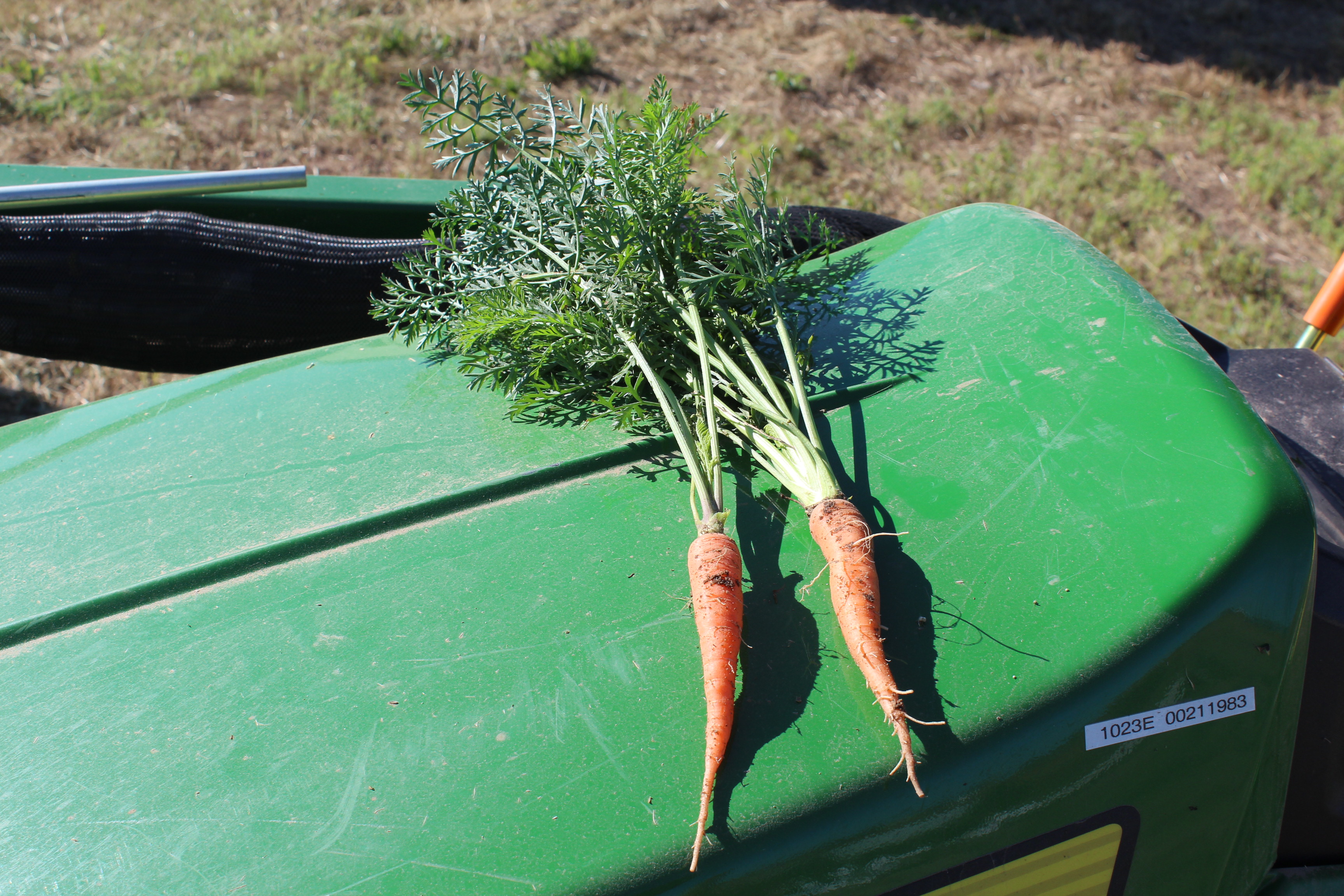
The Plants: I found some neat hoop covers from Grower’s Supply that should work well to keep some of the more sensitive plants covered. Winter squash still has big leaves so they need some protection. The beets and carrots could use some cover as well as the onions when they are young and fragile. So some of the beds will get hoop covers similar to the one’s in the city (only more stoutly constructed). At the farm, anything that has been started indoors shouldn’t be planted outside until the first week of June. Not because of frost but because of the violent weather that accompanies the snow melt in the high country. The urban farm can be planted around the week before Memorial Day as has always been the case. At the same time we will be investigating greenhouse construction that will eventually bring all of the vegetable growing to the farm. The urban farm will likely become a pollinator garden, along with greens and my usual huge garlic crop.
The winter project then will be to get the pig pen built and the front 5-7 acres fenced in anticipation of putting up a barn.
So the universe didn’t seem to be telling me that we were idiots for starting this venture and that we should get out. It was showing me in pretty “right between the eyes” fashion what works and doesn’t work here. OK OK! I get it.
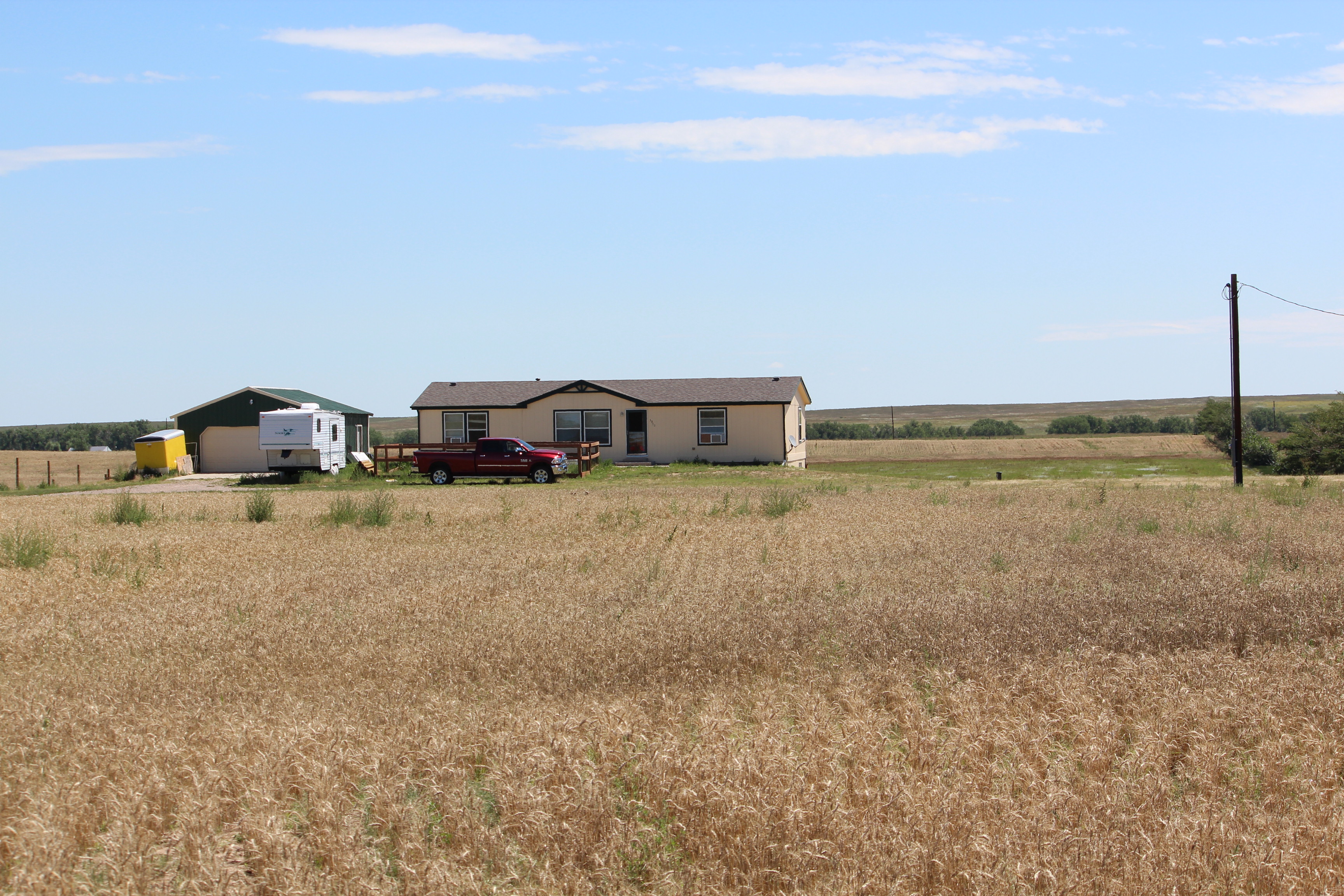
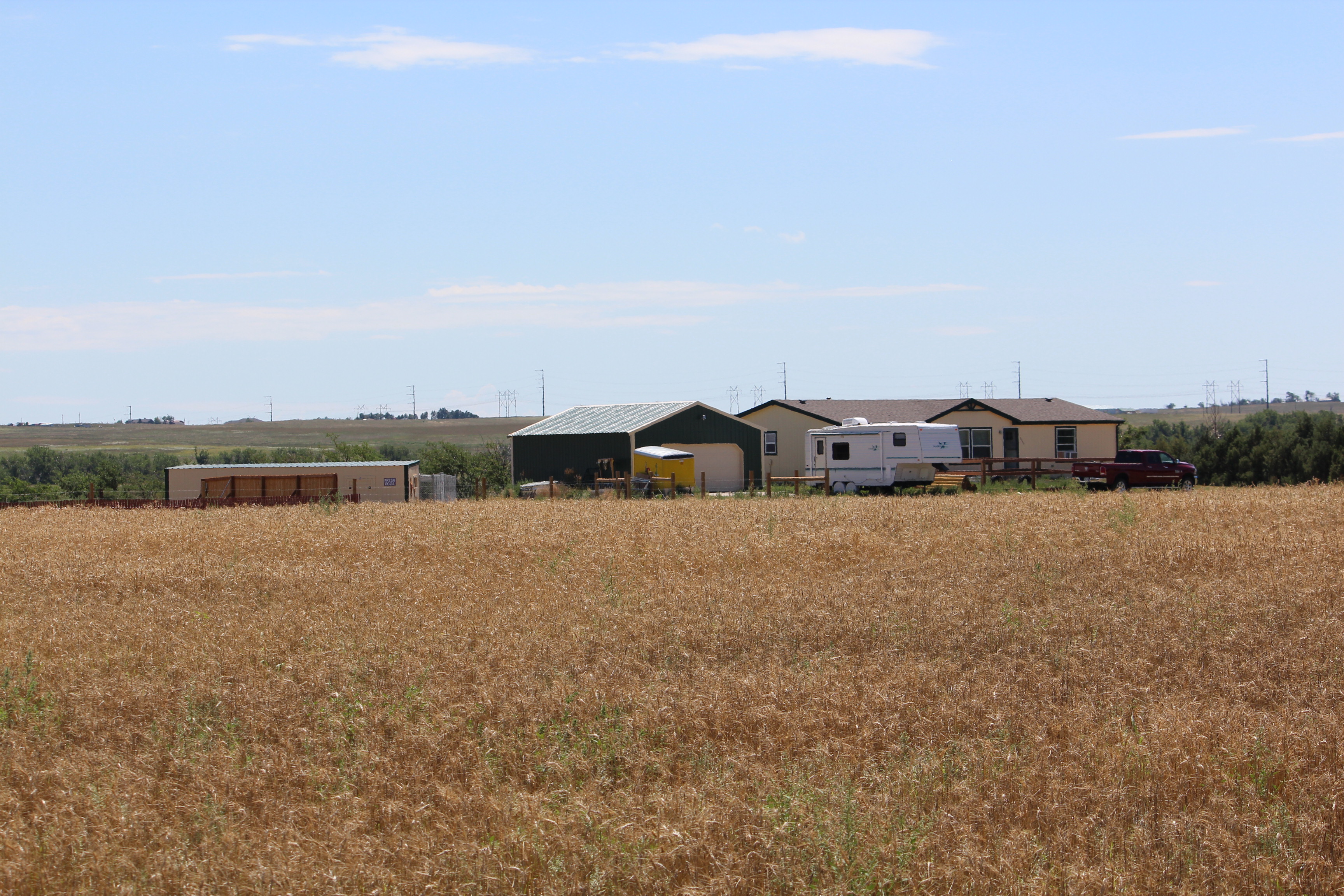
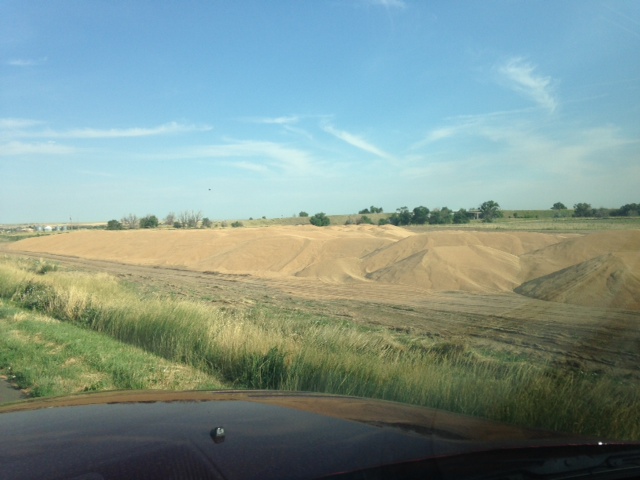
I notice that when I get going on this farm construction kick, that I see it in the fashion of it being an organic farm designed for production of veggies and such to be marketed at places like farmers markets. That simply isn’t true. We may do some of that in retirement, but it was never intended to be that. It is a homestead; a little house on the prairie (literally); and its mission is to try to provide the maximum amount of food this family consumes in a year. While we have had a learning setback this past spring, it is still well on its way to accomplishing that mission. It is the farmer him/herself that needs to maintain the proper perspective. It is now time to grow the place now that it is built. The fun part, it seems, is within grasp. I hope this helps with anyone else looking to do something like this. Sometimes mother nature swings her bat pretty hard. I wish you all the best successes. Keep persevering. What else is there?

















 JAZ Farm Blog